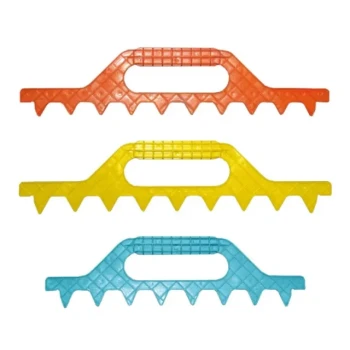
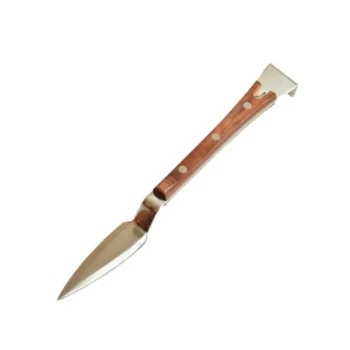
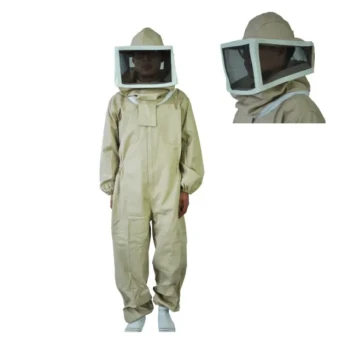
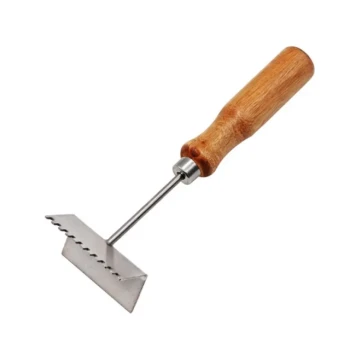
Fungicide residues can interfere with bee bread fermentation by suppressing beneficial fungi that bees collect with pollen and nectar. Fungi such as Aspergillus and Penicillium help transform stored pollen into nutrient-rich bee bread inside honeycomb cells. When residues restrict this microbial activity, fermentation may be weakened, potentially reducing nutritional value and contributing to poorer colony immunity. This matters for apiary management equipment because clean, well-maintained tools and hives help protect the hive environment while forage safety is being monitored.
Bee bread is not produced by bees alone; it depends on a natural microbial process. Managing fungicide exposure and maintaining clean apiary equipment helps preserve that process and supports stronger colony nutrition.
How Fungicides Disrupt Bee Bread Production
Beneficial Fungi Support Pollen Fermentation
Bees collect pollen from flowering plants and pack it into honeycomb cells, where it becomes bee bread through storage, moisture control, and microbial activity.
Naturally occurring fungi, including species of Aspergillus and Penicillium, are among the organisms associated with this transformation. Their activity helps make stored pollen more suitable as a food source for the colony.
Residues Can Suppress Fungal Activity
Fungicides are designed to kill or inhibit fungi. Although their effects vary by product, concentration, and exposure conditions, residues on forage can affect fungi that bees bring back to the hive.
This creates a biological conflict: a treatment intended to control plant pathogens may also restrict fungi that contribute to pollen fermentation.
Poor Fermentation Can Reduce Nutritional Benefits
When beneficial fungal growth is disrupted, pollen may not undergo its normal fermentation process. The result can be less effective conversion of collected pollen into nutrient-rich bee bread.
Bee bread is an important protein and nutrient source, particularly for developing brood and active colonies. Any reduction in its quality or availability can place additional nutritional pressure on the colony.
Why Colony Health Is at Stake
Nutrition Supports Immunity
Adequate nutrition is closely connected to a colony's ability to maintain brood production, worker function, and immune defenses.
If fungicide residues weaken the natural processing of pollen, colonies may receive less nutritional benefit from the forage they collect. This can contribute to reduced resilience, especially when other environmental stresses are present.
Forage Safety Extends Beyond Nectar and Pollen
Beekeepers commonly assess whether a forage area offers sufficient flowering plants. However, the safety of that forage also depends on agricultural inputs, including fungicide applications and potential residues.
The relevant question is not only whether bees can access a crop, but whether the collected material supports healthy storage and fermentation inside the hive.
The Role of Apiary Management Equipment
Clean Equipment Protects the Hive Environment
Frames, hive bodies, feeders, tools, and other apiary equipment come into direct or indirect contact with bees, comb, pollen, and stored food.
Keeping this equipment clean helps reduce avoidable contamination and preserves suitable conditions for natural microbial processing. Equipment hygiene cannot remove residues already present in forage, but it prevents management practices from adding further stress to the hive environment.
Equipment Supports Consistent Hive Management
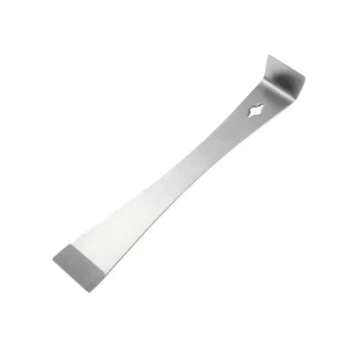
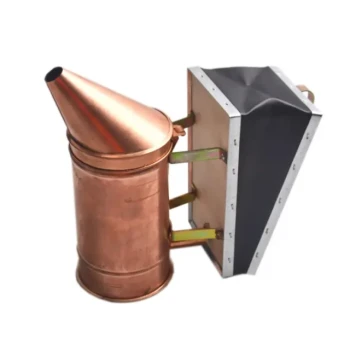
Professional beekeeping tools allow operators to inspect comb, monitor stored pollen, manage frames, and maintain hive conditions with greater consistency.
This makes it easier to identify changes in pollen storage, fermentation, brood development, or colony strength that may justify closer investigation of forage exposure.
Product Selection Should Include Hygiene and Reliability
For distributors, wholesalers, and commercial beekeepers, apiary equipment is part of a broader colony-management system. Products should support practical cleaning, repeated use, efficient inspection, and dependable operation in routine field conditions.
A full equipment portfolio is valuable when it helps beekeepers address hive maintenance, inspection, storage, and workflow requirements through a coordinated supply source.
Understanding the Trade-offs
Fungicide Use Can Protect Crops but Affect Hive Microbiology
Fungicides can be important tools for managing plant diseases and protecting agricultural production. Their use does not automatically mean that a forage area is unsuitable for bees.
The concern is that residues may affect non-target fungi involved in bee bread fermentation. Risk depends on the specific chemical, application conditions, residue level, and timing relative to bee foraging.
Clean Equipment Is Necessary but Not Sufficient
Sanitized and well-maintained equipment supports good hive conditions, but it cannot compensate for unsafe or heavily contaminated forage.
Apiary hygiene should therefore be combined with communication about nearby crop treatments, forage monitoring, and appropriate placement or management decisions.
Visible Bee Bread Changes Do Not Prove a Single Cause
Changes in stored pollen or colony performance may result from several factors, including nutrition, moisture, disease, pesticides, weather, or forage diversity.
Fungicide exposure should be treated as a possible contributing factor rather than assumed to be the sole explanation without further assessment.
Building a More Resilient Management Program
Coordinate With Agricultural Stakeholders
Beekeepers and commercial apiary operators should seek information about nearby fungicide applications where practical, including treatment timing and the crops involved.
Better communication helps businesses evaluate forage risk and make informed decisions about apiary placement and seasonal management.
Inspect Stored Pollen and Colony Condition
Routine inspections can track the amount and appearance of stored pollen, brood development, adult bee activity, and overall colony strength.
Consistent records help identify changes over time and provide useful context when forage conditions or agricultural treatments change.
Maintain a Disciplined Equipment Routine
Frames and hive tools should be handled, cleaned, and stored according to the beekeeper's operational procedures. Equipment used across colonies should be managed carefully to limit the movement of contaminants and reduce unnecessary stress.
For suppliers, offering reliable hive maintenance tools and responsive service can directly support these operational requirements.
Making the Right Choice for Your Goal
The most effective approach connects forage awareness with dependable equipment and disciplined hive management.
- If your primary focus is colony nutrition: Monitor forage safety and protect the natural fungal activity that converts pollen into bee bread.
- If your primary focus is apiary hygiene: Use clean, well-maintained tools, frames, and hive equipment to preserve suitable conditions for pollen storage and fermentation.
- If your primary focus is commercial efficiency: Source a broad, reliable equipment portfolio from suppliers that can provide rapid responses, consistent service, and efficient order fulfillment.
- If your primary focus is distribution or resale: Offer professional apiary management equipment that supports inspection, sanitation, maintenance, and repeatable field operations.
- If your primary focus is risk management: Treat fungicide exposure as one factor within a wider assessment that includes forage conditions, colony health, equipment hygiene, and local agricultural practices.
Protecting bee bread fermentation requires both safe forage decisions and sound apiary management, giving beekeepers a stronger foundation for colony nutrition and long-term resilience.
Summary Table:
| Key Point | Description |
|---|---|
| Fungicide Residues | Suppress beneficial fungi like Aspergillus and Penicillium needed for pollen fermentation. |
| Nutritional Impact | Poor fermentation reduces bee bread nutritional value, affecting brood and colony immunity. |
| Equipment Role | Clean, well-maintained hives and tools help preserve the hive environment and prevent further stress. |
| Management Strategy | Combine forage safety monitoring with disciplined equipment hygiene for resilient colonies. |
Protect your colony's nutrition and hive health with reliable, clean apiary equipment from HONESTBEE. Our comprehensive wholesale portfolio includes hive-making machines, honey-filling equipment, and essential tools for commercial apiaries and distributors. Benefit from rapid response times, dedicated service, and ultra-fast delivery. Contact us today to ensure your bees thrive with the best management support.
Related Products
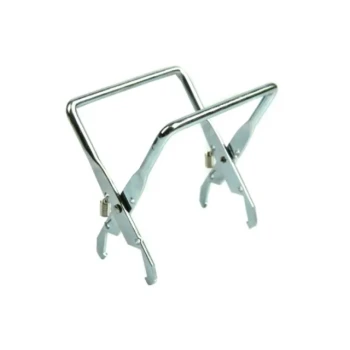
- Durable Galvanized Steel Frame Grip
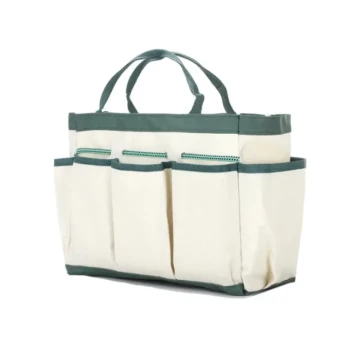
- Professional 600D Oxford Cloth Beekeeping Tool Bag with 8 Pockets and Elastic Loops
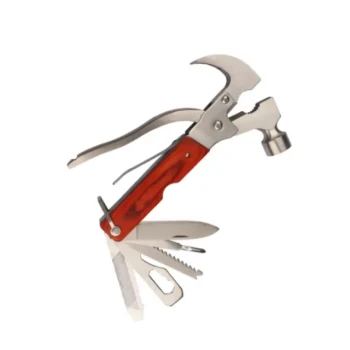
- HONESTBEE 15-in-1 Beekeeper Multi-Tool with Hammer and Pliers for Beekeeping
- Professional Grade Foldable Beehive Handles
- Yellow Plastic Bucket Pail Perch for Beekeeping
People Also Ask
- What is the purpose of using frame grips in beekeeping operations? Elevate Your Apiary Precision & Hive Safety
- What is a frame grip and how is it used? Secure Your Hive Inspections with Ease
- What is the primary function of frame grips in beekeeping? Master Hive Inspections with Stability
- What are the benefits of using Frame Grips in beekeeping? Boost Efficiency & Protect Your Hive
- How should Frame Grips be maintained after use? A Guide to Biosecurity and Tool Longevity