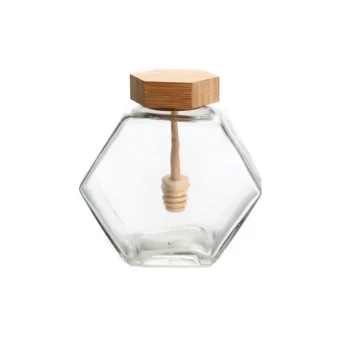
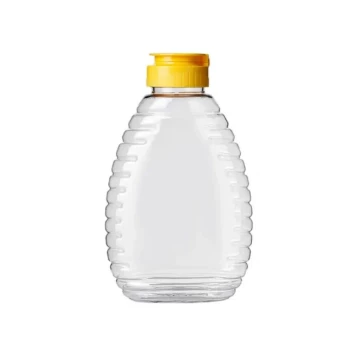
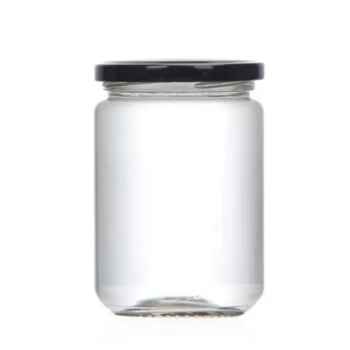
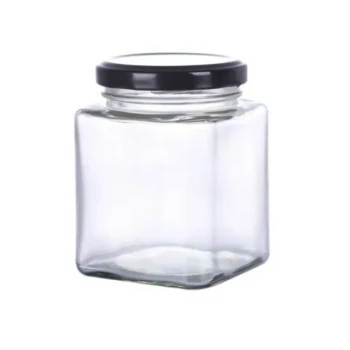
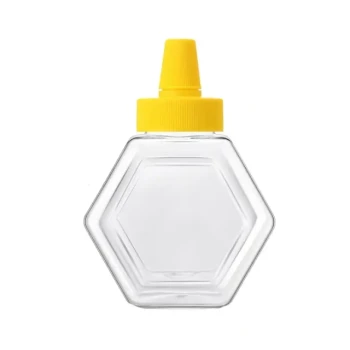
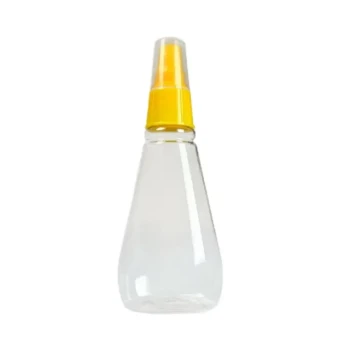
Glass honey jars significantly outperform plastic containers regarding long-term preservation and premium brand positioning, though plastic offers advantages in weight and immediate cost. While plastic is lightweight and convenient for travel, glass provides an inert environment that protects the honey's flavor profile and offers superior aesthetic options for high-end marketing.
Core Takeaway Glass is the superior choice for producers prioritizing product purity, environmental sustainability, and a premium market position. While plastic offers logistical convenience and lower upfront costs, it introduces risks regarding chemical interaction and lacks the perceived value required for luxury branding.
Preservation and Product Integrity
Chemical Inertness and Flavor Protection
Glass is chemically inert, meaning it will not interact with the honey stored inside. This ensures the honey maintains its original flavor profile without the risk of plastic leaching into the product.
In contrast, plastic containers—even those that are food-grade—may interact with honey over extended periods. This interaction can potentially alter the taste and quality of the product, making glass the safer option for long-term storage.
Sealing and Environmental Defense
Glass containers typically provide a tighter seal compared to plastic alternatives. This superior sealing capability is critical for preventing environmental humidity from altering the honey's moisture content.
Proper sealing also protects against enzyme activity fluctuations caused by air exposure. For samples requiring accurate physical and chemical analysis, glass (or high-grade light-shielding plastic) is essential to maintain the honey in its original state.
Branding and Visual Appeal
Premium Positioning and Transparency
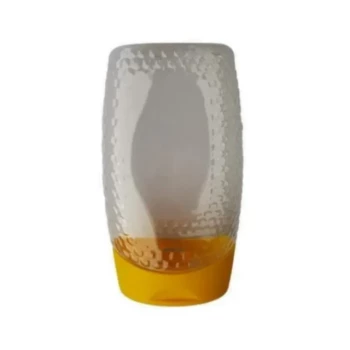
Glass jars are the industry standard for premium brand positioning. The material's high clarity allows the consumer to immediately inspect the product's color and purity, effectively letting the quality of the honey sell itself.
Versatile Labeling Options
Glass offers extensive branding flexibility that plastic struggles to match. Producers can utilize wraparound labels, wax seals, or embossed designs to create a distinct shelf presence.
Furthermore, glass honey jars are often shipped in partitioned boxes that can be reused for transporting the final filled product. This adds a layer of logistical efficiency while maintaining a professional presentation.
Understanding the Trade-offs
Cost vs. Value
Glass is more expensive to produce and purchase upfront compared to plastic. If your primary constraint is the immediate cost of goods sold, plastic is the more affordable option.
However, glass is durable and reusable. Because of its longer lifespan and infinite recyclability, the cost per use of glass can actually be lower than plastic over time, depending on your business model.
Durability and Logistics
The primary downsides of glass are its weight and fragility. Glass is heavy to ship and breaks easily if mishandled, which increases shipping costs and breakage risks.
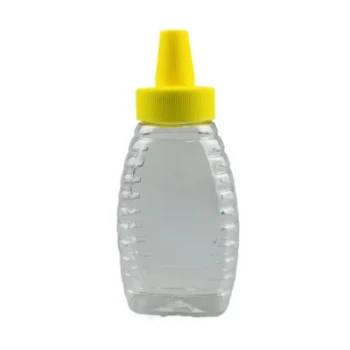
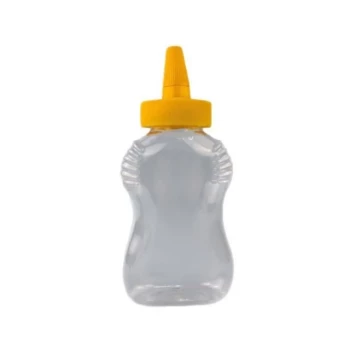
Plastic is lightweight and virtually unbreakable. This makes it highly suitable for markets where the product will face rough handling, such as mail-order delivery or travel-sized retail.
Making the Right Choice for Your Goal
To select the correct packaging, you must align the material with your specific business objective:
- If your primary focus is Premium Branding & Quality: Choose glass to ensure flavor purity, maximize shelf appeal with high-end labeling, and justify a higher price point.
- If your primary focus is Cost Efficiency & Transport: Choose food-grade plastic to minimize shipping weights, reduce breakage during transit, and lower upfront packaging costs.
Select the material that protects your product's integrity while supporting your brand's promise to the consumer.
Summary Table:
| Feature | Glass Honey Jars | Plastic Containers |
|---|---|---|
| Preservation | Chemically inert; maintains flavor profile | Potential for leaching over time |
| Sealing | Superior airtight seal; prevents moisture | Variable sealing quality |
| Branding | High-end, premium market positioning | Functional, value-oriented |
| Durability | Fragile; requires careful handling | High; impact resistant |
| Shipping Cost | Higher due to weight and protection | Lower; lightweight and stackable |
| Sustainability | Infinitely recyclable and reusable | Lower recycling rates; single-use focused |
Elevate Your Honey Brand with HONESTBEE
At HONESTBEE, we specialize in empowering commercial apiaries and distributors with high-quality packaging and processing solutions. Whether you are looking for premium glass honey jars to command a higher market price or need efficient honey-filling machines to scale your production, we provide the full spectrum of beekeeping tools and machinery tailored to your growth.
Our value to you:
- Comprehensive Wholesale Catalog: From specialized hive-making hardware to honey-themed cultural merchandise.
- Industry Expertise: Reliable equipment designed for durability and precision in commercial environments.
- Scale Your Success: We help you bridge the gap between hobbyist production and industrial efficiency.
Ready to enhance your product's shelf presence and operational efficiency? Contact us today to discuss your wholesale needs!
Related Products
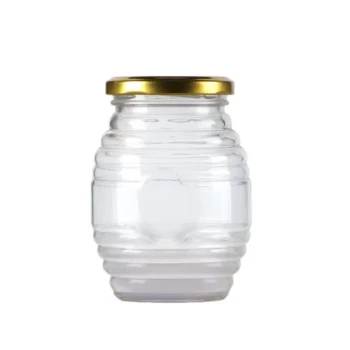
- Classic Glass Honey Jar with Metal Lug Cap for Beehive Storage
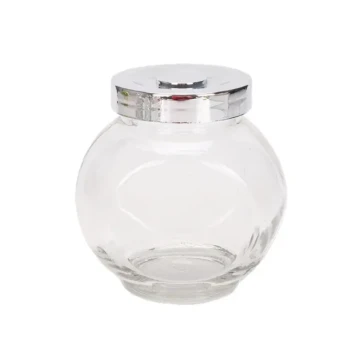
- Classic Drum Shaped Glass Honey Jar with Airtight Lid
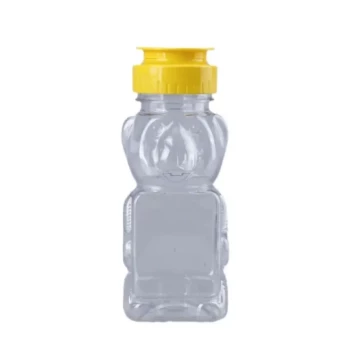
- Classic Honey Bear Jars with Flip Top Dispensing Cap for Liquid Sweeteners
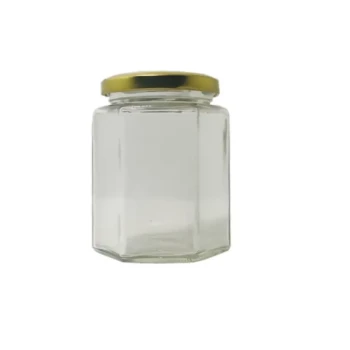
- Hexagonal Glass Honey Jars with Metal Lug Caps Elegant Versatile Packaging
- Hexagonal Glass Honey Jar with Wooden Lid Integrated Dipper Elegant Functional Storage
People Also Ask
- What are the benefits of glass jars regarding strength and safety for storing honey? Ensure Purity and Long-Term Quality
- What are the advantages of using glass jars for honey storage? Ensure Purity and Premium Appeal for Your Product
- What are the benefits of using high-transparency Glass Jars for honey? Elevate Purity and Premium Branding
- What is the aesthetic appeal of using glass jars for honey? Elevate Your Brand with Premium Packaging
- Which container is best for storing honey? Preserve Purity & Flavor with the Right Choice