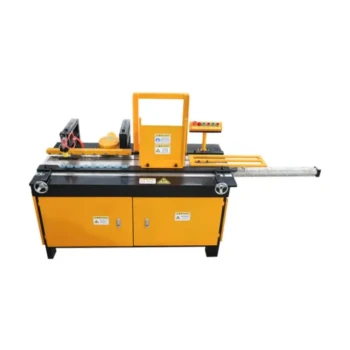
Commercial apiaries rely on industrial machinery to drive standardization and operational scalability. Hive-making machinery provides the essential physical infrastructure by automating the large-scale production of uniform, durable beehive components. Simultaneously, automated honey-filling machines streamline the post-harvest workflow, ensuring precise metering, strict hygiene standards, and rapid packaging to prepare products for the market.
The integration of industrial hive manufacturing and automated packaging transforms beekeeping from a labor-intensive craft into a scalable, standardized industry. By minimizing infrastructure costs and maximizing processing speed, these technologies create the efficient workflows required for high economic returns.
The Role of Hive-Making Machinery
In a commercial setting, the beehive is not just a container; it is the fundamental unit of production. Industrial-grade woodworking machinery addresses the need for high-density, standardized infrastructure.
Achieving Standardization and Precision
Hive-making machinery ensures that every wooden component is produced with structural precision. This uniformity is critical for modern apiary management, as standardized hives facilitate mechanized handling and automated processing lines.
By eliminating variations in equipment size, apiaries reduce the complexity of logistics and maintenance. This precision also provides the bee colonies with a stable, durable breeding environment, which is essential for colony health.
Enabling Cost-Effective Expansion
Relying on pre-made hives from third-party vendors can be prohibitively expensive. Investing in hive-making machinery reduces this dependence, allowing apiaries to produce necessary infrastructure in-house.
This capability is vital during periods of colony expansion or large-scale equipment renewal. It lowers long-term infrastructure costs and offers the flexibility to perform customized hardware maintenance on demand, making the operation more cost-competitive.
Increasing Production Efficiency
Automated woodworking processes significantly increase assembly speed compared to manual construction. This reduction in manual labor allows staff to focus on colony management rather than carpentry, directly enhancing the overall quality of apiary operations.
The Role of Honey-Filling Machinery
Once the honey is harvested, the focus shifts to processing speed and product safety. Automated filling machines are the linchpin of the post-harvest stage.
Ensuring Hygiene and Cleanliness
Automated filling systems utilize advanced filtration and closed-loop processes to maintain strict hygiene standards. By minimizing human contact with the product, these machines ensure the cleanliness required for commercial food safety certification.
Precision Metering and Consistency
Industrial filling machines provide precise metering of honey into jars or bulk containers. This guarantees product consistency, ensuring that every unit meets weight regulations and quality expectations without product waste.
maximizing Throughput
During peak harvest seasons, speed is essential to prevent bottlenecks. Automated machinery offers high output rates, significantly shortening the time between extraction and market readiness. This efficiency reduces labor costs associated with manual packaging and allows the apiary to handle the high volumes demanded by commercial contracts.
Understanding the Trade-offs
While mechanization drives efficiency, it functions best when integrated into a holistic management strategy.
The Necessity of Biological Integration
Hardware alone does not guarantee success. As noted in the primary context, these technologies must be combined with superior biological assets. Using machinery in isolation is less effective than pairing it with disease-resistant and high-yield bee stocks selected through methods like Marker-Assisted Selection (MAS).
Maintenance and Capital Intensity
Transitioning to industrial machinery shifts the operational burden from manual labor to technical maintenance. These machines require significant upfront capital and ongoing upkeep to ensure precision. If the machinery is not maintained, the benefits of standardization—such as structural integrity and precise metering—are quickly lost.
Making the Right Choice for Your Goal
To maximize the return on investment in apiary machinery, align your equipment choices with your specific operational bottlenecks.
- If your primary focus is rapid scaling: Prioritize hive-making machinery to ensure you can deploy consistent, low-cost infrastructure as fast as your colonies divide.
- If your primary focus is market readiness: Invest in automated filling machinery to eliminate packaging bottlenecks and ensure your product meets strict commercial hygiene standards.
- If your primary focus is maximum economic return: Integrate both hardware technologies with high-quality genetic stocks to optimize every stage of production from the hive to the jar.
Successful commercial beekeeping creates a seamless link between the physical standardization of the hive and the automated efficiency of the final product.
Summary Table:
| Machinery Category | Key Benefits | Impact on Commercial Scalability |
|---|---|---|
| Hive-Making Machinery | Structural precision, standardized components, in-house cost reduction | Enables rapid expansion with uniform, low-cost physical infrastructure. |
| Honey-Filling Machinery | Precise metering, hygienic closed-loop filling, high throughput | Accelerates market readiness and ensures strict food safety compliance. |
| Integrated Systems | Combined labor reduction and optimized workflows | Transforms labor-intensive beekeeping into a scalable industrial model. |
Scale Your Apiary with HONESTBEE Precision Equipment
Transitioning from manual labor to industrial efficiency requires the right hardware. HONESTBEE empowers commercial apiaries and distributors with the high-performance tools needed to dominate the market. Our comprehensive wholesale catalog includes:
- Hive-Making Machinery: High-precision woodworking tools for standardized, durable infrastructure.
- Honey-Filling Machines: Automated, hygienic systems for rapid packaging and precise metering.
- Full-Spectrum Supplies: From specialized beekeeping tools to honey-themed cultural merchandise.
Ready to maximize your production and reduce long-term costs?
Contact HONESTBEE Today to discuss how our specialized machinery and wholesale solutions can streamline your operations and fuel your growth.
References
- Miriam Bixby, M. Marta Guarna. A Bio-Economic Case Study of Canadian Honey Bee (Hymenoptera: Apidae) Colonies: Marker-Assisted Selection (MAS) in Queen Breeding Affects Beekeeper Profits. DOI: 10.1093/jee/tox077
This article is also based on technical information from HonestBee Knowledge Base .
Related Products
- Economy Small Honey Filling Machine Honey Bottle Filler Packaging Machine
- Precision Durable Efficient HONESTBEE Rotary Honey Filling Machine
- Automatic Honey Filling and Filtering Machine for Beekeeping Bottle Filling
- Fully Automatic Honey Filling Packaging Machine for Processing Line
- Small Honey Filling Machine Sachet Packing Equipment Single Nozzle
People Also Ask
- Why is the hygiene and precision of honey filling machinery critical? Maximize Your Honey's Retail Value
- Why are professional honey filling machinery and specialized storage consumables vital? Ensure Quality & Scalability
- Why is high-precision honey filling machinery required for stingless bee honey? Ensure Stability and Market Value
- Why is high-capacity honey filling machinery necessary for Giant Honey Bees? Solve the Apis dorsata Volume Crisis
- Why is professional honey filling machinery critical for honey production? Scale Your Apiary's Profit & Efficiency