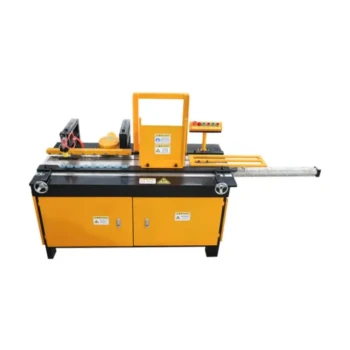
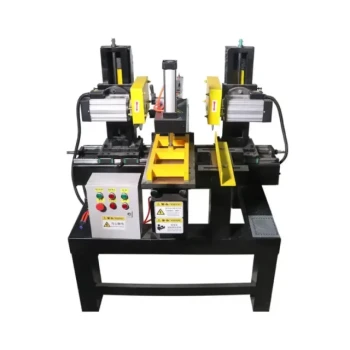
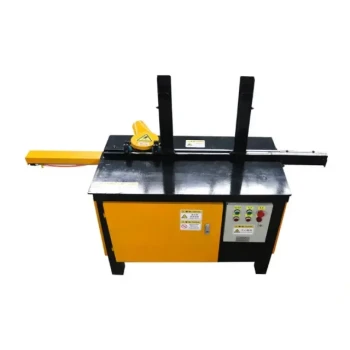
Hive-making machines revolutionize commercial beekeeping by automating the production of standardized, high-precision components. This technology directly increases efficiency by ensuring structural uniformity, which facilitates mechanized honey extraction, reduces labor costs, and improves colony survival rates through superior insulation and weather resistance.
The core value of hive-making machinery lies in transforming the beehive from a variable craft product into a precise industrial standard. By guaranteeing consistent dimensions and durability, these machines enable apiaries to scale operations rapidly, integrate automated harvesting systems, and significantly reduce the maintenance overhead required to keep colonies healthy.
The Foundation of Scalability: Standardization
Enabling Mechanized Operations
The primary contribution of these machines is the creation of uniform specifications. In commercial settings, efficiency relies on the ability to use automated equipment for honey extraction and colony maintenance.
Because machine-made hives have precise dimensions, they provide a reliable foundation for automated harvesting systems. This uniformity allows commercial operations to move away from manual handling, dramatically increasing processing speed.
Seamless Component Interchangeability
Standardized design ensures that every hive component is interchangeable with another. This is a fundamental prerequisite for scaling up operations.
When maintenance is required, beekeepers can swap out parts immediately without customization. This directly impacts operational speed and reduces the downtime associated with infrastructure repairs.
Enhancing Biological Efficiency and Yield
Superior Insulation and Weather Resistance
Efficiency is not just about speed; it is about colony survival. Machine-produced hives offer superior insulation and structural integrity.
High-precision construction leads to better sealing, which protects colonies from extreme weather and microclimates. This is particularly vital in urban settings or regions with harsh winters, where drafty hives can lead to colony collapse.
Improved Overwintering and Disease Resistance
By providing a controlled microclimate, these hives improve overwintering success rates. A well-sealed, standardized environment enhances the colony's natural disease resistance.
Healthy colonies that survive the winter are ready to breed immediately in spring. This allows beekeepers to align colony growth cycles with major floral blooms, maximizing the honey yield from local nectar sources.
Logistics and Operational Resilience
Durability for Nomadic Beekeeping
Many commercial operations practice "nomadic" beekeeping, moving hives to follow bloom cycles. This involves high-frequency loading and transport.
Hive-making machines produce components with the mechanical stability required to withstand this transit. This durability reduces the physical wear and tear on the infrastructure and minimizes colony loss caused by transport stress.
Reducing Labor and Facilitating Expansion
Industrial-grade machines significantly reduce the labor costs associated with hive construction. They allow for the rapid production of large-scale supplies.
This capability enables the rapid expansion of beekeeping scales. As research indicates a linear relationship between the number of hives and total honey yield, the ability to quickly produce hardware is the bottleneck for growth; machines remove this bottleneck.
Understanding the Trade-offs
Balancing Infrastructure Investment
While the benefits are clear, utilizing industrial hive-making machinery represents a shift in asset management. Operators must balance the infrastructure investment against expected output.
The efficiency gains are realized only when the scale of the apiary warrants high-volume production. Precise management is required to ensure the density and quantity of hives match the available floral resources and labor capacity to maximize economic efficiency.
Making the Right Choice for Your Goal
To maximize the value of hive-making technology, align the machine's capabilities with your specific operational focus:
- If your primary focus is Rapid Expansion: Prioritize machines with high-volume throughput to quickly increase your total hive count, as honey yield shares a linear relationship with colony scale.
- If your primary focus is Migratory Beekeeping: Focus on machines that produce components with reinforced structural integrity to minimize wear and colony loss during transport.
- If your primary focus is Automation: Ensure your machinery offers the highest dimensional precision to guarantee compatibility with automated honey harvesting and extraction systems.
Ultimately, hive-making machines are not just manufacturing tools; they are the strategic hardware foundation that allows commercial apiaries to transition from labor-intensive farming to efficient, scalable production.
Summary Table:
| Key Benefit | Impact on Efficiency | Commercial Value |
|---|---|---|
| Standardization | Enables mechanized extraction & interchangeability | Reduces labor costs & downtime |
| Structural Precision | Superior insulation & weather resistance | Increases overwintering survival rates |
| High Durability | Withstands nomadic transit & frequent loading | Minimizes infrastructure replacement |
| Rapid Production | Removes bottlenecks for colony expansion | Direct correlation to increased honey yield |
Elevate Your Commercial Beekeeping with HONESTBEE
Are you ready to transition from labor-intensive farming to a scalable, high-efficiency industrial operation? At HONESTBEE, we specialize in empowering commercial apiaries and distributors with the tools needed to dominate the market.
From high-precision hive-making machines and honey-filling equipment to a comprehensive range of beekeeping tools and essential consumables, our portfolio is designed to maximize your yield and minimize maintenance overhead. Whether you are looking for specialized hardware or honey-themed cultural merchandise, we provide the full spectrum of industry-leading solutions.
Maximize your apiary's potential today.
References
- Gulnara J. Abdiniyazova, Valeriy V. Pak. Honey in traditional cuisine of Uzbekistan and analysis of melliferous flora of Karakalpakstan. DOI: 10.1016/j.jef.2016.07.002
This article is also based on technical information from HonestBee Knowledge Base .
Related Products
- High-Efficiency Pneumatic Bee Hive Making Machine for Rapid Box Assembly
- Mini Desktop Bee Hive Frame Forming Making Machine
- Beehive Handle and Frame Rest Cutting Machine: Your Specialized Hive Machine
- Beehive Machine Double End Saw for Precision Hive Component Manufacturing
- Automatic High-Speed Bee Hive Box Stapling Machine
People Also Ask
- How does the introduction of professional beehive-making machinery benefit sustainable beekeeping? Scale Your Apiary
- Why is specialized beehive-making machinery critical for low-defense breeding? Enhance Selection with Precision Tools
- How does the introduction of specialized beehive making machinery contribute to increasing the scale of regional beekeeping industries?
- What is the importance of specialized beehive making machinery in a circular bio-economy? Build Local Sustainability
- Why is specialized beehive-making machinery essential? Scale Your Apiary with Precision Industrial Standards