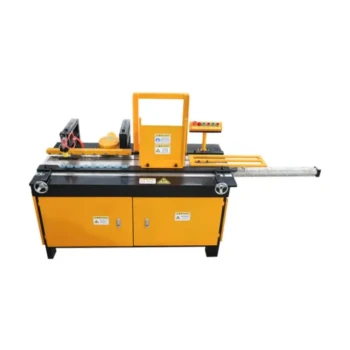
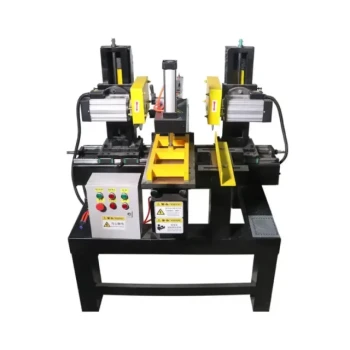
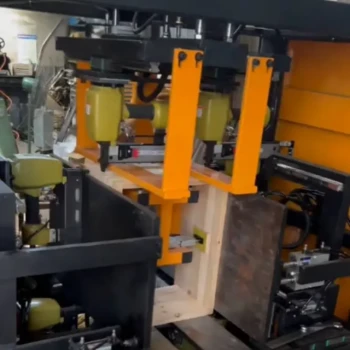
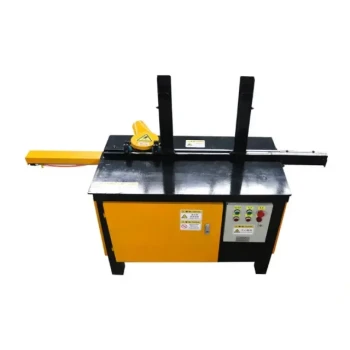
Hive-making machines function as the primary catalyst for converting subsistence beekeeping into commercial enterprise. These machines directly eliminate the technical bottleneck of hive acquisition by automating the production of standardized bee boxes. By securing a reliable, high-volume supply of housing tailored to specific species, operators can bypass expensive third-party suppliers and scale their apiaries well beyond the 50-hive threshold required for commercial viability.
Scaling a stingless beekeeping operation is less about bee biology and more about supply chain independence. Hive-making technology transforms hive acquisition from a logistical variable into a controlled constant, providing the infrastructure necessary to achieve economies of scale.
Solving the Infrastructure Deficit
Eliminating Dependence on External Supply
The primary barrier to scaling is the inability to acquire hives fast enough to match colony reproduction. Relying on manual forest collection is unsustainable, and purchasing hives from third parties is often cost-prohibitive for large operations.
Hive-making machines allow for the in-house mass production of components. This autonomy ensures that the expansion of the apiary is limited only by the number of bees, not the availability of wooden boxes.
Bridging the Gap to Commercial Volume
Transitioning from a small holding to a commercial entity typically requires exceeding 50 hives. Manual carpentry cannot easily sustain this volume while maintaining quality.
Machine-assisted production provides the speed necessary to cross this threshold. It enables rapid deployment of new colonies during peak growth windows, ensuring the apiary reaches a size where it can generate significant revenue.
The Power of Standardization
Operational Interchangeability
Industrial-grade machinery ensures that every component—frames, bottom boards, and supers—is cut to strict technical specifications. This leads to total interchangeability of parts across the apiary.
When all boxes are identical, management becomes modular. A lid from Hive A fits Hive B perfectly, reducing maintenance time and simplifying inventory management.
Aligning with Biological Requirements
Stingless bees require specific internal dimensions to thrive. Machines utilize high-precision cutting to ensure these internal volumes are uniform and biologically appropriate.
This precision facilitates the transition from natural nesting environments to controlled, artificial structures. A standardized internal environment is critical for manipulating hive structures for efficient honey storage and collection.
Economic Implications of Mechanization
Lowering Entry Barriers for Startups
For start-up apiaries, the initial investment in infrastructure can be crippling. Hive-making machines lower this threshold by reducing the unit cost of each hive compared to retail purchase.
This is particularly vital for operations with fewer than 80 hives. These businesses are often in a stage of "increasing returns to scale," where every dollar saved on infrastructure can be reinvested into colony expansion to reach sustainability faster.
Facilitating Advanced Management
Standardized hives produced by these machines act as the foundation for further mechanization. You cannot use hydraulic loaders or specialized forklifts effectively if every hive has a different shape or size.
By ensuring structural consistency, hive-making machines make it possible to introduce mechanical handling. This reduces physical labor and allows for the rapid mobility of large numbers of colonies to chase nectar flows.
Understanding the Trade-offs
Capital Intensity vs. Usage
While these machines reduce the per-unit cost of a hive, they represent a significant upfront capital expenditure. If an operation does not intend to grow beyond 50–80 hives, the cost of the machinery may outweigh the savings on the boxes.
Maintenance Shift
Adopting hive-making machinery shifts the operational burden from woodworking to machine maintenance. The operator must possess or hire the technical skills to keep high-precision cutting and assembly tools calibrated and functional.
Over-Standardization Risks
While standardization is efficient, it must be tailored to the local bee species. If a machine is set to produce boxes that do not perfectly match the biological needs of the specific stingless bee variety being farmed, the entire scale of operation will suffer from lower productivity.
Making the Right Choice for Your Goal
To leverage this technology effectively, assess your current growth stage and long-term objectives.
- If your primary focus is rapid expansion (0 to 100+ hives): Prioritize throughput volume to eliminate the acquisition bottleneck and minimize per-unit housing costs.
- If your primary focus is operational efficiency: Prioritize high-precision machinery that guarantees 100% component interchangeability to support mechanized handling and reduce labor intensity.
True scalability is achieved when infrastructure production becomes a background process rather than a daily struggle.
Summary Table:
| Scaling Factor | Impact of Hive-Making Machines | Strategic Benefit |
|---|---|---|
| Supply Chain | In-house mass production of boxes | Eliminates dependence on third-party suppliers |
| Standardization | Precision cutting to strict specs | Total interchangeability and modular management |
| Economic Efficiency | Reduced per-unit infrastructure cost | Lowers entry barriers for commercial startups |
| Operational Speed | Rapid deployment of new colonies | Facilitates growth during peak windows |
| Labor Intensity | Shift from carpentry to automation | Enables mechanical handling and mobility |
Scale Your Apiary with HONESTBEE Precision
Transitioning from subsistence to a commercial enterprise requires more than just bees—it requires industrial-grade infrastructure. HONESTBEE specializes in empowering commercial apiaries and distributors with the high-performance hive-making and honey-filling machines necessary to eliminate logistical bottlenecks.
Our comprehensive wholesale catalog includes:
- Specialized Machinery: Automated hive-making and honey-processing equipment.
- Beekeeping Hardware: A full spectrum of durable tools and machinery.
- Essential Consumables: Every industry-standard supply needed for daily operations.
Ready to achieve true economies of scale and streamline your production? Contact HONESTBEE today to discuss our wholesale solutions and discover how our technology can transform your beekeeping business.
References
- Lindomar de Jesus de Sousa Silva, Rafael de Lima Erazo. Socioeconomic aspects of meliponiculturists in the Amazon: challenges for the effective creation of stingless bees aiming at the maintenance of environmental and ecosystem services. DOI: 10.55905/rdelosv16.n42-009
This article is also based on technical information from HonestBee Knowledge Base .
Related Products
- High-Efficiency Pneumatic Bee Hive Making Machine for Rapid Box Assembly
- Mini Desktop Bee Hive Frame Forming Making Machine
- Beehive Handle and Frame Rest Cutting Machine: Your Specialized Hive Machine
- Beehive Machine Double End Saw for Precision Hive Component Manufacturing
- Automatic High-Speed Bee Hive Box Stapling Machine
People Also Ask
- How does the introduction of professional beehive-making machinery benefit sustainable beekeeping? Scale Your Apiary
- Why is specialized beehive-making machinery critical for low-defense breeding? Enhance Selection with Precision Tools
- How does the introduction of specialized beehive making machinery contribute to increasing the scale of regional beekeeping industries?
- What is the importance of specialized beehive making machinery in a circular bio-economy? Build Local Sustainability
- Why is specialized beehive-making machinery essential? Scale Your Apiary with Precision Industrial Standards