Honey extractors and processing machinery enhance commercial value by combining high-yield physical separation with rigorous hygiene controls to produce a standardized, shelf-stable commodity. By utilizing centrifugal force and automated packaging, these systems maximize production efficiency while preserving the honey's biochemical integrity and minimizing contamination risks.
Core Takeaway The transition from raw apiary product to high-value commercial honey relies on industrial precision. Machinery transforms the supply chain by preserving the beeswax infrastructure for future yields, stabilizing the honey's chemistry against spoilage, and ensuring the consistent purity required for international market standards.
Optimizing Extraction Efficiency and Sustainability
The primary commercial advantage of modern extraction lies in how it interacts with the physical hive resources.
Centrifugal Separation
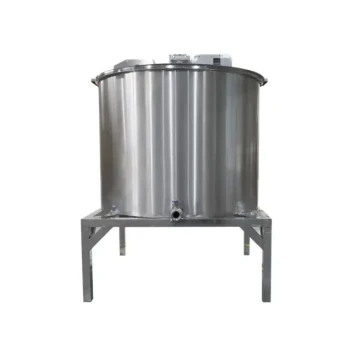
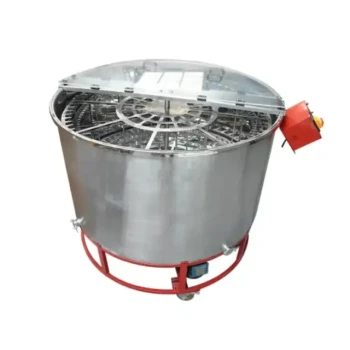
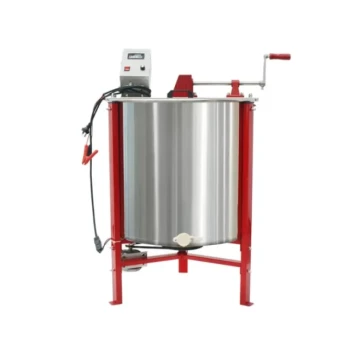
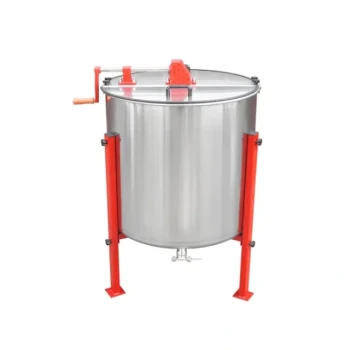
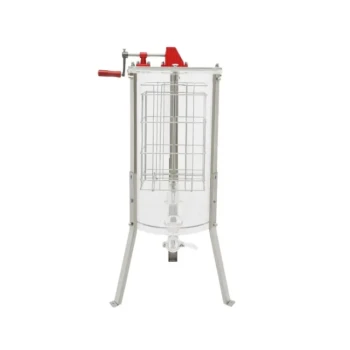
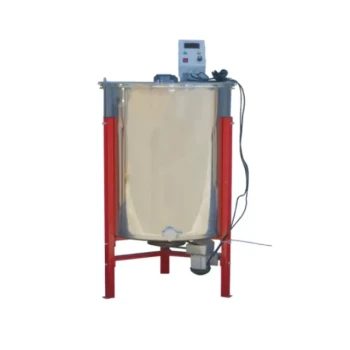
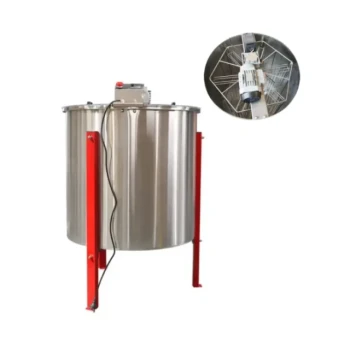
Industrial extractors utilize controlled centrifugal force to remove honey from the comb. Unlike traditional pressing methods, this physical separation maximizes the extraction rate without destroying the honeycomb structure.
Energy Conservation for Bees
Because the honeycomb structure remains intact, it can be returned to the hive for reuse. This is a critical economic factor; it saves the energy bees would otherwise consume secreting new beeswax, allowing them to focus resources on nectar collection and honey production, effectively boosting future yields.
Ensuring Purity and Shelf-Life Stability
Commercial value is heavily dependent on the product's longevity and adherence to safety standards.
Hygiene and Moisture Control
Professional processing machinery operates in a hygienically controlled environment. This significantly reduces the risk of impurity contamination and helps manage moisture content, which is the primary factor in preventing fermentation and ensuring an extended shelf life.
Preventing Oxidation
Automated filling equipment minimizes the honey's exposure to air compared to manual methods. This reduction in aeration prevents oxidation and moisture absorption, maintaining the physicochemical stability of the honey during storage and logistics.
Standardization and Market Compliance
To treat honey as a trade commodity rather than a local craft product, consistency is essential.
Preserving Bioactive Integrity
Advanced filtration consumables remove physical impurities while ensuring that essential biochemical markers, such as proline, are preserved. This validates that the honey is fully ripened and maintains the sensory qualities—flavor and aroma—that command higher market prices.
Precision and Branding
Automated machinery utilizes quantitative filling technology to ensure weight consistency and precise metering. This level of standardization minimizes product loss, prevents secondary contamination during packaging, and ensures the final product meets strict international food safety and labeling standards.
Understanding the Trade-offs
While mechanization drives commercial value, it introduces specific operational requirements.
Maintenance Rigor
The benefit of a sterile processing environment is lost without rigorous maintenance. Complex machinery with automated filling nozzles and filtration systems requires strict cleaning protocols to prevent cross-contamination, which can be more labor-intensive than maintaining simple manual tools.
Initial Capital vs. Volume
The shift to industrial extractors and automated lines represents a significant capital expenditure. This investment is justified primarily when production volume is high enough that the reduction in manual handling losses and the increase in extraction speed outweigh the upfront costs.
Making the Right Choice for Your Goal
To maximize the value of your honey production, align your equipment choice with your business model.
- If your primary focus is Volume and Efficiency: Prioritize centrifugal extractors that allow for comb reuse, as this directly increases the total tonnage your hives can produce over a season.
- If your primary focus is Retail Branding: Invest in automated filling and filtration systems to ensure the visual clarity, precise weight, and consistent packaging required for high-end shelf placement.
Ultimately, machinery converts honey from a variable agricultural output into a consistent, stable, and scalable commercial asset.
Summary Table:
| Feature | Commercial Value Impact | Primary Benefit |
|---|---|---|
| Centrifugal Extraction | Preserves honeycomb for hive reuse | Increases future honey yield & saves bee energy |
| Moisture & Hygiene Control | Prevents fermentation & contamination | Extends shelf life and ensures food safety |
| Automated Filling | Ensures precise weight & minimal aeration | Reduces product loss and prevents oxidation |
| Advanced Filtration | Maintains flavor & biochemical integrity | Meets international standards for premium pricing |
| Quantitative Technology | Standardizes packaging units | Enhances branding consistency and consumer trust |
Elevate Your Honey Production with HONESTBEE
Transitioning from manual processes to industrial precision is the key to global market success. At HONESTBEE, we empower commercial apiaries and distributors with high-performance beekeeping machinery and tools designed to maximize your ROI.
Our value to your business:
- Comprehensive Equipment: From high-capacity hive-making machines to precision honey-filling lines.
- Essential Consumables: A full spectrum of filtration and industry-grade supplies for consistent purity.
- Scalable Solutions: Specialized hardware and honey-themed cultural merchandise to enhance your brand presence.
Ready to scale your operation and secure higher market margins? Contact HONESTBEE today to discuss our wholesale offerings and customized equipment solutions.
References
- Nicholaus Bhikolimana Tutuba, Wim Vanhaverbeke. Beekeeping in Tanzania: why is beekeeping not commercially viable in Mvomero?. DOI: 10.21825/af.v31i1.9047
This article is also based on technical information from HonestBee Knowledge Base .
Related Products
- Stainless Steel Manual 8 Frame Radial Honey Extractor Machine for Beehives
- 32 Frame Commercial Electric Honey Extractor for Beekeeping and Honey Production
- HONESTBEE 72 Frame Industrial Electric Honey Extractor for Beekeeping
- HONESTBEE 3-Frame Manual Acrylic Honey Extractor
- HONESTBEE 6 Frame Three Use Electric Honey Extractor for Beekeeping
People Also Ask
- What types of beehive frames are compatible with honey extractor machines? Find the Perfect Match for Your Apiary
- Which type of honey extractor is generally more durable? Focus on Material & Build Quality for Longevity
- What are the key features and benefits of a stainless steel honey extractor? Upgrade to Professional Purity
- What are the disadvantages of a manual honey extractor? Overcome Efficiency Bottlenecks in Your Apiary
- What is a manual honey extractor? The Essential Guide to Cost-Effective Beekeeping for Beginners