Industrial-grade transport vehicles and hive loading machinery significantly mitigate operational risks by ensuring physical stability during long-distance transit and enforcing precise hive placement upon arrival. These specialized tools minimize transport-induced stress, preventing worker bee loss, while simultaneously establishing standardized spacing that acts as a barrier against the spread of pests and diseases.
Mechanical precision in migratory beekeeping is not merely a labor-saving measure; it is a biological safeguard that maintains colony vitality by reducing physical trauma and isolating hives from cross-infection.
Minimizing Biological Stress During Transit
The primary risk in migratory beekeeping is the physical toll taken on the colony during relocation. Industrial-grade transport vehicles are engineered to address this "transport stress."
Stabilizing the Hive Environment
Standard trucks often subject hives to erratic movement. Industrial-grade vehicles utilize suspension and racking systems designed to minimize vibrations and ensure stability. This reduction in physical disturbance is critical for preventing the loss of worker bees, who can otherwise become agitated, exhausted, or crushed during a chaotic journey.
Accelerating Colony Recovery
When vibration and shock are minimized, the recovery time for a colony decreases. Instead of expending energy repairing the hive or recovering from stress, the colony can quickly resume foraging activities. This ensures that the bees maximize nectar collection efficiency immediately upon arriving at a new site.
Enabling Rapid Climate Adaptation
Specialized machinery facilitates rapid loading and unloading, allowing beekeepers to move colonies quickly to escape extreme summer heat or resource scarcity. This speed is a critical hardware-based method for climate adaptation, ensuring colonies are relocated to higher altitudes or cooler climates before heat stress causes mortality.
Strengthening Biosecurity Through Precision
Beyond transport, the deployment of hives using mechanized loading equipment plays a pivotal role in disease management and colony health.
Enforcing Standardized Spacing
Manual hive placement often leads to irregular intervals between colonies. Mechanized equipment allows for exact, standardized spacing when setting down hives. This geometric precision effectively reduces "drifting"—where bees mistakenly enter the wrong hive—which is a primary vector for disease transmission.
Slowing Pathogen Transmission
By maintaining strict physical distances, mechanized placement acts as a firewall between colonies. This spacing slows the transmission of critical threats identified in the primary literature, specifically Varroa destructor mites and Nosema ceranae. Lowering infection rates through hardware-assisted management ensures higher colony vitality and consistent productivity.
Reducing Manual Labor and Injury
Hydraulic loading machinery and specialized transport racks allow for high-density stacking without the physical strain of manual lifting. This significantly reduces the labor intensity of operations, mitigating the risk of human error or injury that often occurs when tired workers handle heavy hives.
Understanding the Trade-offs
While industrial machinery reduces biological and operational risks, it introduces new logistical dependencies that must be managed.
Requirement for Hardware Standardization
To utilize loading machinery and transport racks effectively, the beehives themselves must be uniform. This often requires investment in industrial-grade hive-making machinery to produce components with high-precision dimensions. If hives are not standardized, they may not fit securely in automated loaders or transport racks, negating the stability benefits.
Maintenance and Failure Risks
Reliance on hydraulic systems and specialized vehicles introduces a single point of failure. If a loader malfunctions in a remote location, the entire migratory operation can stall. This requires beekeepers to develop robust maintenance schedules and carry contingency tools, rather than relying solely on manual backups which may no longer be feasible for large-scale operations.
Making the Right Choice for Your Goal
Selecting the right equipment depends on the specific operational risks you are trying to mitigate.
- If your primary focus is Disease Control: Prioritize loading machinery that offers precise, automated placement capabilities to maximize the distance and regularity between hives.
- If your primary focus is Honey Production: Focus on high-specification transport vehicles with advanced suspension systems to ensure bees arrive rested and ready to forage immediately.
- If your primary focus is Scalability: Invest in a compatible ecosystem of standardized hives and hydraulic loading systems to maximize stacking density and minimize labor costs.
Success in modern migratory beekeeping lies in using machinery to turn the chaotic variable of transport into a controlled, constant environment for your bees.
Summary Table:
| Risk Factor | Industrial Machinery Solution | Biological/Operational Benefit |
|---|---|---|
| Transport Stress | Advanced suspension & racking systems | Reduces bee mortality & shortens colony recovery time |
| Disease Spread | Precision mechanized hive placement | Minimizes bee drifting & slows pathogen transmission |
| Climate Extremes | High-speed hydraulic loading/unloading | Enables rapid relocation to avoid heat stress |
| Labor Fatigue | Automated lifting & stacking hardware | Prevents human injury & reduces errors in hive handling |
| Operational Scaling | Standardized hive-making machinery | Ensures compatibility & maximizes transport density |
Maximize Your Colony Vitality with HONESTBEE
Transitioning to industrial-scale beekeeping requires more than just hard work—it demands precision engineering. At HONESTBEE, we empower commercial apiaries and distributors with the robust tools needed to mitigate risks and maximize honey production.
Our comprehensive wholesale portfolio includes:
- High-Precision Hive-Making Machinery: Ensure the standardization required for automated loading.
- Advanced Honey-Filling & Processing Machines: Streamline your post-harvest workflow.
- Full Spectrum Beekeeping Equipment: From specialized hardware to essential industry consumables.
Whether you are expanding a commercial fleet or supplying the next generation of beekeepers, our equipment is designed for durability and performance. Contact HONESTBEE today to discover how our tailored machinery solutions can stabilize your operations and boost your bottom line.
References
- Alperen Varalan, Mustafa Bahadır ÇEVRİMLİ. Arıcılık sektöründeki risk faktörlerinin incelenmesi. DOI: 10.33188/vetheder.1246102
This article is also based on technical information from HonestBee Knowledge Base .
Related Products
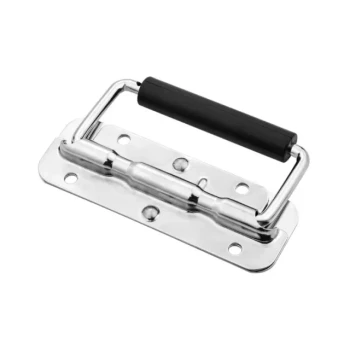
- Premium Comfort Grip Spring-Loaded Hive Handles
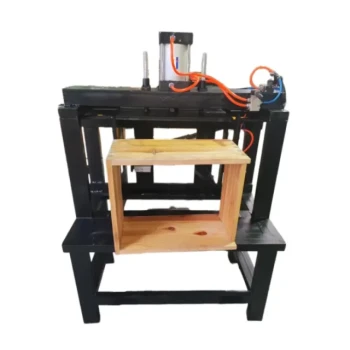
- High-Efficiency Pneumatic Bee Hive Making Machine for Rapid Box Assembly
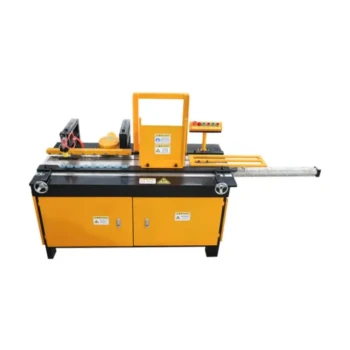
- Beehive Handle and Frame Rest Cutting Machine: Your Specialized Hive Machine
- Ergonomic Two Person Foldable Hive Lifter
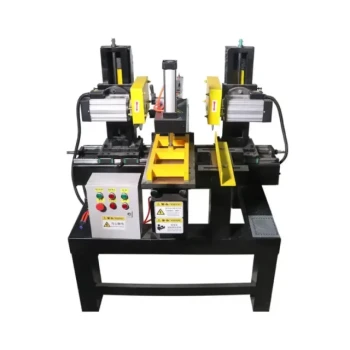
- Beehive Machine Double End Saw for Precision Hive Component Manufacturing
People Also Ask
- How do the geometry and dimensions of hive handles influence operational safety and control? Expert Design Insights
- How do bee hive handles facilitate the evaluation of food stores? Use the Lift Test for Winter Survival
- What are the different types of hive tools available? Choose the Right Tool for Your Apiary
- How do hive tools and queen rearing equipment facilitate the bee colony splitting process? Restore Your Apiary Faster
- Why are professional hive tools & observation equipment necessary for queen rearing evaluation? Master Your Quality