Varroa destructor and Nosema ceranae weaken colonies by damaging individual bees, reducing colony productivity, and increasing vulnerability to secondary disease. Varroa mites feed on developing and adult bees while transmitting viruses, potentially leading to brood damage, declining worker populations, and colony collapse. Nosema ceranae is a microsporidian pathogen associated with impaired digestion, reduced energy, shortened worker lifespan, poor colony strength, and lower honey production. Commercial apiaries need an integrated system of monitoring tools, treatment applicators, sanitary hive hardware, and disciplined inspection procedures to control these threats.
The essential principle is measurement before treatment. Commercial beekeepers should routinely quantify Varroa levels, watch for signs of Nosema and other stressors, apply approved treatments precisely, and maintain clean, well-managed hive equipment to protect colony health and honey yield.
How These Threats Damage Hive Health
Varroa Weakens Bees and Spreads Viruses
Varroa destructor is an external parasitic mite that reproduces in capped brood and feeds on honey bees. Its presence weakens developing bees and can reduce the quality and longevity of emerging workers.
The mite is also an important vector for viral transmission. A colony may appear productive while mite numbers are increasing, then decline rapidly when parasitism and viral pressure overwhelm its workers and brood.
Nosema Reduces Colony Performance
Nosema ceranae is a microsporidian pathogen that affects the digestive system of honey bees. Infected bees may show reduced energy, impaired nutrient use, shortened working lives, and difficulty sustaining normal colony activity.
Unlike some visible hive pests, Nosema ceranae may not produce obvious external symptoms. Reduced population growth, poor spring buildup, abnormal foraging activity, and declining productivity should therefore be evaluated alongside laboratory or veterinary diagnostic support where available.
Combined Stressors Accelerate Decline
Varroa, Nosema, viruses, poor nutrition, transport stress, and unsuitable weather can interact rather than operate independently. A colony weakened by one threat becomes less resilient to the others.
For commercial apiaries, this makes isolated treatment decisions unreliable. Hive health depends on regular surveillance, sanitation, treatment timing, and consistent records across the entire operation.
Monitoring Equipment Commercial Apiaries Need
Alcohol Wash Kits
Alcohol wash equipment, including sampling containers, strainers, measuring vessels, and mite-counting tools, provides a practical method for estimating Varroa infestation. It generally offers more reliable mite counts than visual inspection alone because mites are dislodged from a defined sample of adult bees.
Commercial operators should standardize sampling methods, record results by apiary and hive, and follow local guidance for action thresholds. Treatment decisions should account for colony strength, season, brood status, regional conditions, and the product label.
Sugar Shake Detection Kits
Sugar shake kits provide a less destructive alternative for estimating Varroa levels. They are useful when preserving sampled bees is important, although results can vary with technique and environmental conditions.
Distributors serving commercial beekeepers should consider supplying complete kits with calibrated containers, screens, collection trays, and clear operating instructions. Consistent equipment helps crews use the same process across large numbers of colonies.
Sticky Boards and Screened Bottom Boards
Sticky boards placed beneath screened bottom boards help track natural mite drop and can reveal changes between inspections. They are useful for trend monitoring and for evaluating whether a treatment is having an observable effect.
Screened bottom boards also improve hive ventilation and support sanitation. They should be designed for easy removal, cleaning, inspection, and replacement without creating gaps that allow pest entry.
Drone Brood Inspection Tools
Uncapping scratchers and hive inspection tools allow beekeepers to examine capped drone brood, where Varroa commonly reproduces. This method can identify reproductive mites and provide an additional warning sign when used with quantitative sampling.
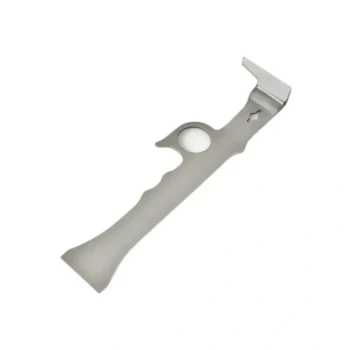
Inspection tools should be durable, easy to sanitize, and compatible with the apiary’s hive format. Standardized tools reduce handling time and management stress during repeated commercial inspections.
Diagnostic and Record-Keeping Supplies
Accurate monitoring requires more than a single tool. Sample containers, labels, counters, notebooks, digital records, and hive identification equipment allow operators to compare infestation trends and document treatment history.
A reliable record system helps prevent missed follow-up inspections, duplicate treatments, and inconsistent decisions between field teams.
Treatment and Application Equipment
Oxalic Acid Application Equipment
Oxalic acid treatments may be applied using approved methods such as vaporization or other label-authorized application systems. Oxalic acid vaporizers and related protective equipment allow commercial operators to deliver a measured treatment efficiently across many hives.
Application equipment must be selected and operated according to the product label and applicable regulations. Respiratory, eye, skin, and handling protections are essential because correct dosing does not eliminate chemical exposure risk.
Formic Acid and Thymol Treatment Support
Formic acid and thymol products are used in some integrated Varroa control programs. Their performance can depend on temperature, colony condition, formulation, placement, and exposure time.
Commercial apiaries need applicator trays, holders, spacers, and inspection tools that support correct product placement. Treatment compatibility with honey supers, brood conditions, and harvest timing must be verified before use.
Temperature-Controlled Treatment Devices
Temperature-controlled thermal treatment equipment can support physical Varroa control strategies by exposing mites to controlled heat conditions. These systems require precise temperature management to avoid harming bees, brood, comb, or hive materials.
They are most appropriate when operators have trained personnel, validated procedures, and equipment designed specifically for apiculture. Uncontrolled heating is not an acceptable substitute for professional thermal-treatment hardware.
Protective and Handling Equipment
Protective clothing, gloves, veils, eye protection, respirators where required, and chemical-resistant handling supplies are essential components of treatment operations. Hive tools, smokers, bee brushes, and secure transport containers also reduce handling stress during inspections and interventions.
Commercial supply programs should treat these consumables as part of the pest-control system rather than as optional accessories. Missing protective or handling equipment can delay treatments and expose workers or colonies to unnecessary risk.
Sanitary Hive Hardware and Biosecurity
Well-Sealed Woodenware
Well-maintained boxes, frames, lids, floors, and entrances help limit uncontrolled movement between colonies and make inspections more predictable. Damaged or poorly sealed hive components can complicate sanitation, transport, and pest management.
Hive hardware should be durable, repairable, compatible across the operation, and easy to clean or replace. Standardization also improves order fulfillment and reduces delays when expanding or repairing commercial apiaries.
Quarantine and Queen Isolation Tools
New colonies, packages, queens, and imported equipment can introduce mites or pathogens into an established operation. Quarantine areas, queen isolation equipment, marked hive components, and dedicated inspection tools help separate new or suspect material from production colonies.
Movement controls are especially important for commercial operations because one unmanaged introduction can spread through transport routes, shared equipment, or routine field work.
Cleaning and Sanitation Supplies
Sanitary hive maintenance requires scrapers, disinfectable hive tools, replacement components, cleaning containers, and appropriate sanitation products. Equipment should be cleaned between colonies when disease transmission is a concern, with special attention to comb, frames, bottom boards, and tools exposed to debris.
Sanitation does not replace Varroa monitoring or treatment. It reduces additional stress and helps keep the apiary environment manageable while pest-control measures address the primary infestation.
Designing an Integrated Control Program
Monitor at Defined Intervals
Commercial apiaries should establish a repeatable schedule for mite sampling, sticky-board checks, brood inspections, and colony-strength assessments. Monitoring should increase during periods when Varroa reproduction or colony stress is expected to rise.
Results should be recorded by hive and location. This converts pest management from a reactive response into a measurable operating process.
Rotate Suitable Treatment Methods
Repeated reliance on one chemical or application method can reduce long-term control effectiveness and may contribute to resistance or treatment failure. Rotating approved organic-acid or thymol-based treatments, and incorporating physical controls where appropriate, supports a more resilient program.
Rotation must be based on product labels, local regulations, weather conditions, and treatment compatibility. It is not simply a matter of switching products without evaluating their active ingredients and mode of action.
Protect Honey and Colony Quality
Treatment timing should account for honey supers, harvest schedules, brood presence, and label restrictions. Precise applicators and correctly measured treatments help reduce chemical overexposure and the risk of residues.
The objective is not maximum chemical use. It is sufficient, targeted control that protects bees, preserves honey quality, and maintains a productive colony population.
Understanding the Trade-offs
Monitoring Methods Differ in Precision and Labor
Alcohol washes generally provide strong quantitative information but remove sampled bees and require careful handling. Sugar shakes are less destructive but may be more technique-sensitive, while sticky boards are better for trends than for a complete estimate of infestation.
A commercial operation may need more than one method. The right combination balances accuracy, labor, colony impact, and the number of hives being managed.
Physical Controls Require Maintenance
Screened bottom boards, traps, and entrance reducers can support pest management without relying entirely on chemical treatments. However, they require regular cleaning, inspection, correct installation, and replacement when damaged.
Neglected hardware can become ineffective or interfere with hive ventilation and access. Physical controls should therefore be included in maintenance schedules and inventory plans.
Treatments Can Stress Colonies
Organic acids, thymol, thermal devices, and other control measures can affect bees or brood when used at the wrong temperature, concentration, timing, or placement. Application errors may reduce colony strength even while targeting the pest.
Training, label compliance, calibrated equipment, and follow-up monitoring are necessary to confirm that a treatment is working without creating additional harm.
Product Availability Affects Operational Timing
Commercial apiaries may need monitoring kits, replacement bottom boards, treatment applicators, protective consumables, and sanitation hardware at the same time. Delayed delivery can cause missed treatment windows or inconsistent management across apiary sites.
Distributors and wholesalers add value by maintaining a full-spectrum product portfolio, responding quickly to replenishment needs, and coordinating efficient fulfillment for recurring seasonal demand.
How to Apply This to Your Apiary
The most effective equipment package depends on colony numbers, treatment protocols, labor capacity, and regulatory requirements.
- If your primary focus is Varroa detection: Use standardized alcohol wash or sugar shake kits together with sticky boards, screened bottom boards, drone brood inspection tools, and consistent hive records.
- If your primary focus is treatment precision: Stock approved treatment applicators, oxalic acid vaporization equipment where permitted, temperature-control devices where appropriate, measuring supplies, and required protective equipment.
- If your primary focus is biosecurity: Maintain well-sealed woodenware, quarantine areas, queen isolation tools, dedicated inspection equipment, hive identification supplies, and sanitation hardware.
- If your primary focus is Nosema and broader colony health: Combine pathogen assessment with nutrition, population, brood, and productivity records, while using clean hive equipment and reducing avoidable transport and handling stress.
- If your primary focus is commercial supply reliability: Work with a supplier that can provide monitoring tools, hive hardware, treatment equipment, protective consumables, technical support, rapid response, and dependable delivery through one coordinated purchasing channel.
With disciplined monitoring, precise treatment, sanitary equipment, and reliable supply support, commercial beekeepers can make informed interventions that protect colony longevity and preserve honey production.
Summary Table:
| Pest | Effects on Hive Health | Essential Tools |
|---|---|---|
| Varroa destructor | Feed on bees, transmit viruses, weaken brood and workers, cause colony decline | Alcohol wash kits, sugar shake kits, sticky boards, screened bottom boards, drone brood inspection tools, oxalic acid applicators |
| Nosema ceranae | Digestive damage, reduced energy, shortened worker lifespan, lower productivity | Nosema diagnostic supplies, sanitation products, well-sealed woodenware, protective equipment |
| Both | Interact with other stressors, increase vulnerability to secondary infections | Integrated monitoring and treatment program, record-keeping supplies, quarantine tools |
Are you a commercial beekeeper or distributor looking for dependable pest control solutions? HONESTBEE offers a full-spectrum range of beekeeping equipment and consumables to help you monitor and manage Varroa, Nosema, and other hive threats efficiently. As your one-stop wholesale partner, we provide rapid response, expert guidance, and ultra-fast delivery to keep your apiary productive. OEM/ODM support and certifications available for distributors. Contact us today to discuss your needs!
Related Products
- HONESTBEE 15-in-1 Beekeeper Multi-Tool with Hammer and Pliers for Beekeeping
- HONESTBEE Advanced Ergonomic Stainless Steel Hive Tool for Beekeeping
- Stainless Steel Queen Grafting Tool for Beekeeping and Bee Queen Grafting
- Stainless Steel J Hook Hive Tool for Beekeeping
- HONESTBEE Classic Pry Bar Hive Tool with High Visibility Finish for Beekeeping
People Also Ask
- What is the recommended method for storing beekeeping tools? Expert Vertical Storage Solutions for Your Apiary
- How does a favorable microclimate interact with beekeeping tools? Boost Overwintering Success and Equipment Longevity
- Why is the treatment of beekeeping tools with high-concentration chemical disinfectants necessary for preventing AFB?
- What role do specialized beekeeping tools play in pest management? Enhance Apiary Health with Precision Tech
- Why design beekeeping tools with ergonomics in mind? Empowering All Beekeepers with Inclusive Equipment