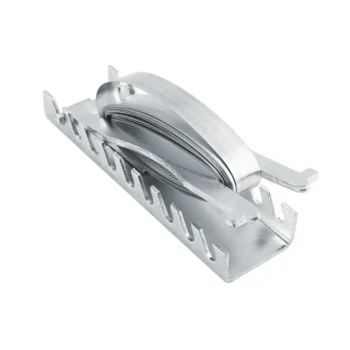
Modern polystyrene hive systems optimize artificial feeding by utilizing integrated designs that prioritize ease of human intervention and equipment compatibility. By incorporating specialized feeding apparatus directly into the hive structure, these systems allow for the precise delivery of nutrients, significantly minimizing feed waste and reducing the physical labor traditionally required for colony maintenance.
The core efficiency of these systems stems from their engineering: they transform feeding from a disruptive, manual chore into a streamlined process that minimizes waste while maximizing the beekeeper's operational capacity.
Engineering for Efficient Intervention
Integrated Feeding Mechanisms
Unlike traditional wooden structures that often require makeshift or external feeding solutions, modern polystyrene systems are engineered with integrated or compatible feeding equipment.
This design philosophy ensures that feeders fit seamlessly within the hive’s architecture.
The result is a closed loop where feed is accessible to the bees but protected from external elements and robbers.
Precision Delivery and Waste Reduction
A critical advantage of these systems is the ability to control the dosage and location of the feed.
Precise delivery systems prevent the common issue of syrup drowning or spillage, which attracts pests.
By targeting the feed delivery, beekeepers ensure that resources are consumed by the colony rather than lost to the environment.
Operational Impact on Management
Reducing Physical Labor
The primary operational benefit for the beekeeper is a significant reduction in physical exertion.
Because the feeding components are designed for ease of human intervention, the time spent opening, adjusting, and closing hives is drastically reduced.
This efficiency allows apiary personnel to manage a larger number of colonies with the same amount of manpower.
The Role of Standardization
While the material provides thermal benefits, the high-precision manufacturing of these modern systems ensures uniform specifications.
Similar to the standardization seen in Zander and Langstroth frame designs, polystyrene components are interchangeable.
This standardization guarantees that feeding accessories fit perfectly every time, eliminating the friction and adjustments often needed with warped wooden components.
Understanding the Operational Trade-offs
Dependence on Specific Ecosystems
The efficiency of these systems relies heavily on equipment compatibility.
Unlike generic wooden boxes where modifications are simple, polystyrene systems often require proprietary or highly specific components to function correctly.
Beekeepers must commit to a specific manufacturing standard to maintain the efficiency gains in feeding.
Balancing Intervention with Disturbance
While feeding is made efficient, the ultimate goal remains a natural, undisturbed production environment.
Over-reliance on artificial feeding can mask underlying issues that might otherwise be detected during more intrusive inspections.
Operators must ensure that the ease of feeding does not lead to a reduction in necessary biological monitoring or disease control.
Making the Right Choice for Your Goal
Modern polystyrene systems offer distinct advantages, but their implementation should align with your specific management objectives.
- If your primary focus is Scalability: Prioritize these systems to maximize the number of hives a single beekeeper can service through reduced labor requirements.
- If your primary focus is Resource Management: Utilize the integrated precision feeders to lower overhead costs associated with wasted sugar syrup and supplements.
- If your primary focus is Colony Health: Ensure that efficient feeding protocols are paired with non-chemical maintenance tools to preserve the ecological integrity of the hive.
The most successful apiary management strategy uses these engineered systems not just to feed bees faster, but to free up human attention for higher-level colony stewardship.
Summary Table:
| Feature | Traditional Wooden Hives | Modern Polystyrene Systems |
|---|---|---|
| Feeding Mechanism | External or makeshift setups | Integrated, precision-engineered feeders |
| Labor Intensity | High (manual adjustments required) | Low (streamlined, easy intervention) |
| Resource Waste | Common (spillage and pests) | Minimal (precise delivery & closed loop) |
| Compatibility | Varied due to warping | High (standardized, interchangeable) |
| Scalability | Limited by manual workload | High (efficient management of more colonies) |
Maximize Your Apiary Productivity with HONESTBEE
At HONESTBEE, we understand the demands of commercial beekeeping. As a leading provider for commercial apiaries and distributors, we offer a comprehensive wholesale range of beekeeping tools, specialized machinery, and essential consumables designed for peak efficiency. Whether you need high-precision hive-making and honey-filling machines or high-quality hardware, our solutions are engineered to scale your operations and boost your bottom line.
Ready to upgrade your equipment and optimize your yield?
Contact us today to explore our full spectrum of professional beekeeping solutions!
References
- FT Sadia, Md. Hayder Khan Sujan. Comparative profitability analysis and resource use efficiency of beekeeping using wooden and poly hive in some selected areas of Bangladesh. DOI: 10.3329/ijarit.v11i1.54470
This article is also based on technical information from HonestBee Knowledge Base .
Related Products
- Durable Plastic Hive Number Set for Beekeeping
- Professional Insulated Plastic Bee Hives
- Durable Plastic Interlocking Hive Connector for Beekeeping
- High Security Emlock Strap System
- Plastic Bee Hive Stand for Beekeeping
People Also Ask
- How do plastic hives offer protection against wax moths? Secure Your Apiary with Durable Pest Resistance
- Why might bees reject a plastic hive? Key Factors in Colony Acceptance and Material Management
- What are the advantages of numbered plastic tags? Achieve Precise Individual Honeybee Identification
- What is the role of record-keeping tools like manuals and hive markers in professional queen bee breeding? Master Data.
- What is a major durability advantage of plastic hives? Immune to Rot for 10+ Year Lifespan