Non-chemical hive maintenance tools act as the primary defense system for preserving organic integrity within an apiary. By relying on specific mechanical and physical devices rather than antibiotics or pesticides to control disease, these tools allow beekeepers to manage colony health without contaminating the comb. This approach creates the undisturbed, natural production environment necessary to secure the ecological status of organic honey.
The core value of non-chemical tools lies in their ability to replace synthetic interventions with physical management, ensuring disease control and harvest purity without compromising the hive's biological balance.
Preserving Ecological Integrity
To understand the role of these tools, one must look beyond simple maintenance and consider the hive as a delicate ecosystem.
Eliminating Chemical Dependencies
The primary barrier to organic certification is the presence of synthetic residues. Non-chemical tools enable you to address disease vectors physically rather than chemically. By using mechanical devices for intervention, you eliminate the need to introduce antibiotics or pesticides into the colony.
Protecting the Honey Source
When you remove chemical treatments from the equation, you remove the risk of cross-contamination. This ensures that the honey and wax remain in their natural state. This "undisturbed" environment is the standard required for high-quality organic production.
Enhancing Management Efficiency
While the primary reference emphasizes disease control, the proper hardware also supports the rigor required for organic inspection standards.
Scientific Hive Inspection
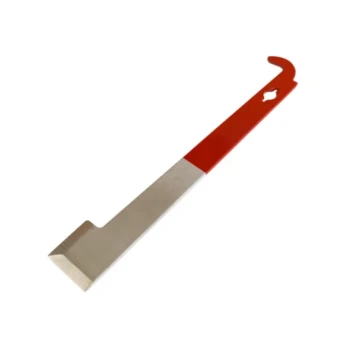
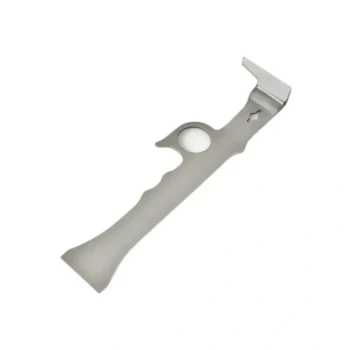
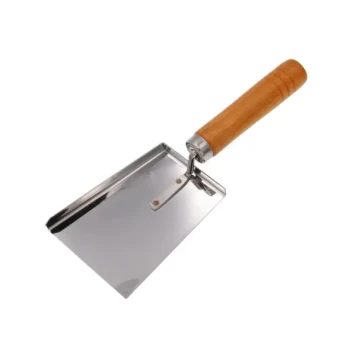
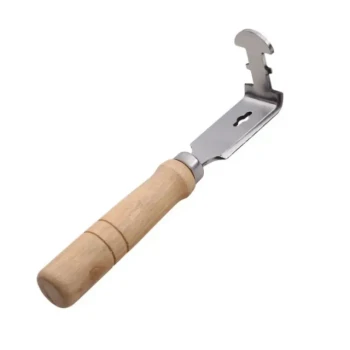
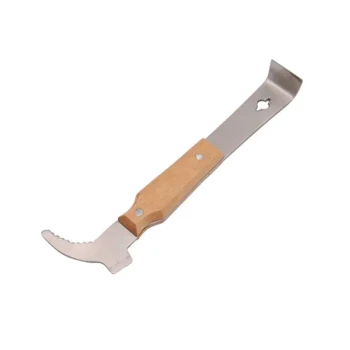
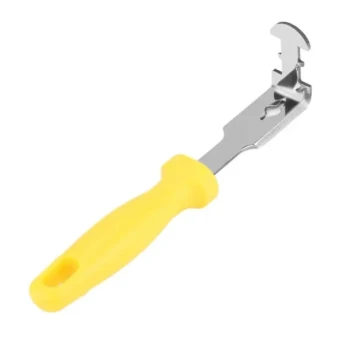
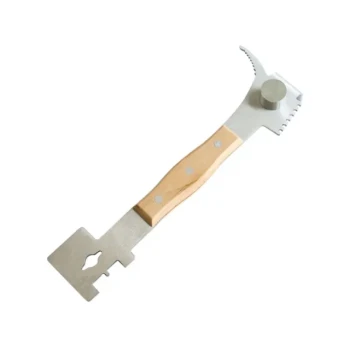
Organic management often requires closer monitoring than conventional methods. Professional tools, such as specialized hive tools and smokers, facilitate more frequent and scientific inspections. This allows for early detection of issues before they require drastic intervention.
Increasing Raw Material Purity
Efficiency in the field translates to quality in the jar. By reducing operational difficulty and enabling precise handling of frames, professional tools help maintain the purity of the harvested raw materials. They allow the beekeeper to extract resources with minimal disruption to the colony's structure.
Understanding the Trade-offs
Adopting a strictly non-chemical approach requires a shift in operational mindset.
Increased Labor Intensity
Replacing chemicals with mechanical tools often increases the workload. Chemical treatments are frequently used because they are fast and "set-and-forget." Mechanical disease control requires active participation, physical manipulation of hive components, and more frequent monitoring to be effective.
The Skill Gap
Non-chemical management is less forgiving of errors. Because you cannot rely on a broad-spectrum antibiotic to fix a biological problem, your understanding of the colony's lifecycle must be deeper. You must rely on preventative physical maintenance rather than reactive chemical treatment.
Making the Right Choice for Your Goal
To successfully implement an organic management plan, align your tool selection with your specific production objectives.
- If your primary focus is Organic Certification: Prioritize mechanical disease control devices that eliminate the need for antibiotics and pesticides.
- If your primary focus is Production Efficiency: Invest in high-quality inspection hardware and protective gear to reduce the operational friction of frequent hive checks.
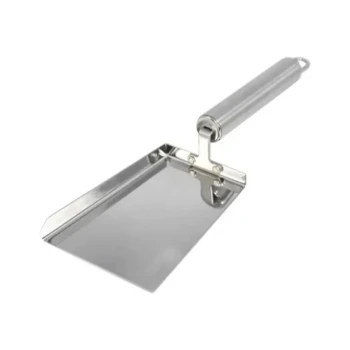
- If your primary focus is Product Purity: Utilize tools that allow for precise honey collection to minimize the disturbance of the hive environment during harvest.
Success in organic beekeeping is not about finding a magic tool, but about using mechanical precision to foster a self-sustaining natural system.
Summary Table:
| Feature | Organic Benefit | Operational Impact |
|---|---|---|
| Mechanical Disease Control | Eliminates antibiotic/pesticide residues | Requires more frequent monitoring |
| Professional Hive Tools | Prevents cross-contamination of wax/honey | Increases inspection precision |
| Physical Interventions | Maintains hive's biological balance | Higher labor intensity than chemicals |
| Scientific Smokers | Facilitates gentle colony management | Ensures undisturbed honey production |
Elevate Your Organic Apiary with HONESTBEE
Transitioning to chemical-free management requires high-precision equipment that doesn't compromise on efficiency. HONESTBEE provides commercial apiaries and distributors with a comprehensive wholesale range of professional beekeeping tools and machinery designed for organic standards. From specialized hive-making and honey-filling machines to essential industry consumables, our hardware empowers you to maintain ecological integrity while scaling production.
Ready to upgrade your commercial operations? Contact us today to discover how our full spectrum of beekeeping solutions can enhance your product purity and market value.
References
- Francisco J. Güemes-Ricalde, Juan Manuel Pat–Fernández. Production Costs Of Conventional And Organic Honey In The Yucatán Peninsula Of Mexico. DOI: 10.1080/00218839.2006.11101327
This article is also based on technical information from HonestBee Knowledge Base .
Related Products
- Professional Multi-Function Stainless Steel Hive Tool
- Stainless Steel J Hook Hive Tool for Beekeeping
- Professional Stainless Steel Pry-Bar Hive Tool
- Professional Stainless Steel J-Hook Hive Tool
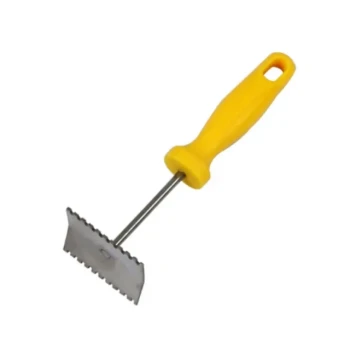
- Precision Stainless Steel Frame Cleaner for Hive Grooves and Corners
People Also Ask
- Why are professional hive tools considered indispensable? Master Beekeeping Maintenance with Precision Leverage
- What is the role of professional hive tools in routine apiary maintenance? Expert Tips for Hive Health and Longevity
- What are the benefits of a multi-functional hive tool? Streamline Your Apiary Workflow with One Tool
- What advantages do multi-functional hive tools offer? Maximize Your Apiary Efficiency and Workflow
- What are the common construction features of hive tools? Key Insights for Superior Beekeeping Efficiency