Professional apiary protective equipment and environmental monitoring tools function as a strategic defense system for beekeepers operating near agricultural zones. By utilizing these tools, beekeepers can scientifically plan foraging routes and schedules to actively minimize colony exposure to harmful chemical applications. This hardware provides a critical safeguard against bee mortality caused by pesticide misuse, ensuring that hive health remains intact and honey quality meets rigorous international export standards.
In regions with frequent pesticide application, protective hardware transforms beekeeping from a reactive practice into a proactive science. It enables the precise management of foraging logistics, ensuring colony survival and product purity despite external environmental threats.
Strategic Management in Chemical Environments
Scientific Planning of Foraging Routes
In areas where agricultural pesticides are common, survival depends on avoidance. Environmental monitoring tools provide the data necessary to map safe zones and dangerous vectors. This allows beekeepers to plan foraging routes that steer colonies away from recently treated fields.
Optimizing Foraging Schedules
Timing is as critical as location. By monitoring environmental conditions and agricultural schedules, beekeepers can adjust when bees are allowed to forage. This scientific approach helps ensure that peak foraging activity does not coincide with active pesticide application times.
The Role of Standardized Hardware
Reducing Mortality from Misuse
Standardized hardware protection serves as a physical and procedural buffer against environmental hazards. The primary reference indicates that these tools effectively reduce bee mortality specifically caused by pesticide misuse. By standardizing how hives are protected and managed, the variables that lead to chemical exposure are minimized.
Ensuring International Quality Standards
For commercial operations, the stakes extend beyond colony survival to product viability. Professional equipment ensures that honey is harvested and processed without contamination. This adherence to strict hygiene and protection standards is essential for ensuring honey quality meets international export standards.
Operational Precision and Safety
Enabling Detailed Inspections
While the primary goal in these environments is chemical avoidance, physical protective gear (suits and veils) plays a supporting role by ensuring operator safety. High-quality gear creates a safety barrier that allows beekeepers to conduct frequent, thorough inspections without fear of stings.
Improved Risk Management
When beekeepers are protected by industrial-grade gear, they can observe the hive more closely and frequently. This leads to the collection of accurate observation data regarding hive health. Early detection of pesticide stress is only possible if the beekeeper has the confidence to inspect the colony regularly.
Understanding the Trade-offs
The Learning Curve of Data
While monitoring tools offer precision, they introduce complexity. Utilizing environmental data to plan foraging routes requires a higher level of technical literacy than traditional beekeeping. Misinterpreting this data can lead to a false sense of security regarding pesticide exposure.
Cost vs. Scale
Transitioning to industrial-grade protective equipment and machinery involves significant upfront investment. While these tools reduce labor intensity and support standardized production, they may be cost-prohibitive for smaller operations that are not aiming for international export markets.
Making the Right Choice for Your Goal
To navigate the challenges of pesticide-heavy environments effectively, align your equipment strategy with your specific operational focus:
- If your primary focus is Colony Survival: Prioritize environmental monitoring tools to scientifically plan foraging schedules that avoid peak pesticide application times.
- If your primary focus is Commercial Export: Invest in standardized hardware and processing machinery to ensure your honey remains contaminant-free and meets international quality standards.
- If your primary focus is Operational Efficiency: Utilize industrial-grade protective gear to reduce sting risk, allowing for faster, more frequent inspections and decision-making.
Success in modern apiculture requires viewing protective equipment not just as safety gear, but as an integral component of a data-driven management strategy.
Summary Table:
| Feature | Strategic Benefit | Impact on Apiary Management |
|---|---|---|
| Monitoring Tools | Data-driven foraging routes | Minimizes colony exposure to active pesticide applications. |
| Standardized Hardware | Physical & procedural buffers | Reduces mortality from misuse and maintains hive purity. |
| Industrial Gear | High-precision inspections | Enables frequent health checks and early detection of stress. |
| Sourcing Strategy | Quality control & compliance | Ensures honey meets rigorous international export standards. |
Elevate Your Commercial Apiary with HONESTBEE
In an era of intensive agriculture, protecting your investment requires more than just basic tools—it requires a strategic defense system. HONESTBEE empowers commercial apiaries and distributors with the high-performance hardware needed to thrive in challenging environments.
Our Value to You:
- Comprehensive Wholesale Range: From industrial hive-making and honey-filling machinery to professional-grade protective suits.
- Quality Assurance: Our equipment is designed to help you meet international export standards and ensure product purity.
- Operational Efficiency: Reduce labor intensity and improve risk management with our specialized beekeeping tools and industry consumables.
Ready to scale your production and safeguard your colonies? Contact HONESTBEE today to discuss our wholesale solutions and bulk pricing.
References
- Biressaw Serda Tessema Zewudu, Moges Dereje Mohammed Aman. Beekeeping Practices, Production Potential and Challenges of Bee Keeping among Beekeepers in Haramaya District, Eastern Ethiopia. DOI: 10.4172/2157-7579.1000255
This article is also based on technical information from HonestBee Knowledge Base .
Related Products
- Professional 600D Oxford Cloth Beekeeping Tool Bag with 8 Pockets and Elastic Loops
- Professional Grade Foldable Beehive Handles
- Yellow Plastic Bucket Pail Perch for Beekeeping
- HONESTBEE 15-in-1 Beekeeper Multi-Tool with Hammer and Pliers for Beekeeping
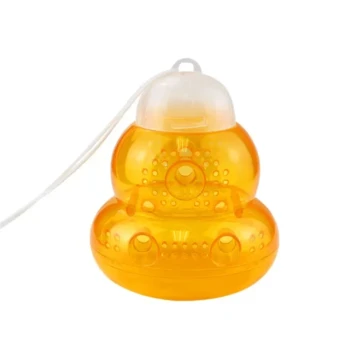
- Gourd Shaped Hanging Wasp Trap Professional Wasp Catcher
People Also Ask
- What is the recommended method for storing beekeeping tools? Expert Vertical Storage Solutions for Your Apiary
- How does a favorable microclimate interact with beekeeping tools? Boost Overwintering Success and Equipment Longevity
- Why is the treatment of beekeeping tools with high-concentration chemical disinfectants necessary for preventing AFB?
- Proper Beekeeping Tools and Regular Hive Maintenance: How to Mitigate Pest Infestations and Colony Instability?
- What are the approximate costs of basic beekeeping tools? Start Your Apiary for Under $85