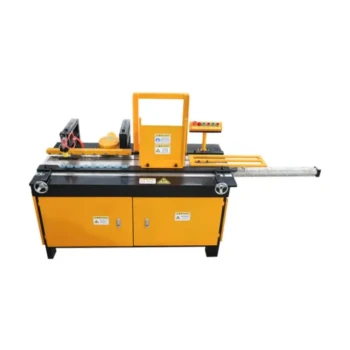
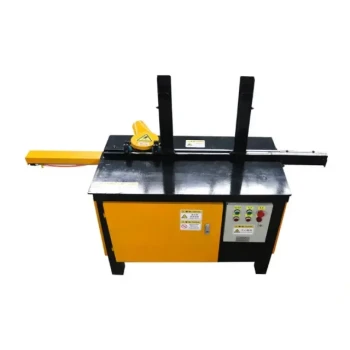
Professional beekeeping tools and machinery act as the physical execution layer that allows Beekeeping Management Practices (BMP) to be effectively measured and optimized by Health Status Index (HSI) models. By quantifying the specific impact of management intensities—such as the difference between organic and conventional methods—these tools enable beekeepers to scientifically adjust hive specifications, feeding protocols, and pollination frequencies to maximize productivity without compromising colony health.
The HSI model serves as a feedback loop for your physical assets, transforming biological data into operational adjustments. It validates whether your machinery and tools are supporting or hindering colony health, allowing for precise calibration of your management practices.
The Physical Foundation of Management Practices
Standardization via Hive-Making Machinery
To accurately measure health trends using HSI models, you first need a controlled environment. Specialized hive-making machinery produces standardized components with precise dimensions.
Ensuring Compatibility and Scale
This high-precision hardware creates a consistent "baseline" for the colony. It ensures compatibility with mechanical processes for extraction and processing, serving as the necessary foundation for large-scale beekeeping where manual variation would skew health data.
Promoting Healthy Habitats
Beyond mere standardization, precision manufacturing promotes healthier bee habitats. By reducing physical gaps or irregularities in the hive structure, machinery ensures the physical environment supports the colony's biological needs.
Optimizing Operations Through HSI Feedback
Quantifying Management Intensity
The HSI model does not just measure health in a vacuum; it quantifies the specific contributions of different management intensities. It distinguishes between the impacts of organic versus conventional management approaches on the colony.
Adjusting Machinery Specifications
Based on feedback from the HSI model, beekeepers can make scientific adjustments to their hardware. This might involve altering the specifications of hive-making machinery to better suit local environmental conditions or colony strength.
Calibrating Resource Deployment
The model's data informs the tactical deployment of equipment. Beekeepers can optimize the placement of feeding equipment and the frequency of pollination operations to ensure assets are utilized fully while maintaining an optimal health status.
Enhancing Productivity and Ecological Integration
Precision in Pollination and Harvesting
Professional machinery allows for the scientific management of colonies in specific agricultural contexts, such as soybean cultivation. Efficient hive movement and harvesting machinery maximize the pollination function during flowering periods while enabling the collection of high-quality commercial honey.
Supporting the Organic Transition
Modern toolkits are essential for beekeepers transitioning from traditional to organic agriculture. These tools facilitate the harvesting of high-purity organic honey, ensuring productivity remains high while strictly adhering to environmental standards and supporting forest biodiversity.
Understanding the Trade-offs
The Requirement for Scientific Interpretation
Possessing advanced machinery is insufficient without the ability to interpret HSI data. The value is not in the tool itself, but in how the operator adjusts the tool based on model feedback; ignoring the data renders the precision of the machinery irrelevant.
Balancing Utilization vs. Health
A common pitfall is using machinery solely to maximize extraction speed or asset utilization. The HSI model acts as a check against this, reminding operators that pushing mechanical efficiency too far can negatively impact the biological asset (the colony).
Making the Right Choice for Your Goal
To leverage professional tools effectively within an HSI framework, consider your primary operational objective:
- If your primary focus is Asset Utilization: Use HSI feedback to adjust the frequency of pollination operations and feeding deployment to get the most out of your equipment without stressing the colony.
- If your primary focus is Organic Certification: Rely on specialized harvesting tools to ensure high purity and use the HSI to prove that your management intensity aligns with organic health standards.
- If your primary focus is Scalability: Invest in high-precision hive-making machinery to create the standardized physical foundation required for accurate, large-scale health monitoring.
True optimization occurs when your machinery is treated not just as production equipment, but as a tunable variable in the science of colony health.
Summary Table:
| Key Component | Role in BMP & HSI Integration | Primary Benefit |
|---|---|---|
| Hive-Making Machinery | Creates standardized baselines for data consistency | Ensures scalability and reduces environmental variables |
| Feeding & Pollination Tools | Allows for precise resource deployment based on data | Optimizes asset utilization without compromising colony health |
| Harvesting Equipment | Facilitates pure organic extraction and efficient collection | Increases honey purity and supports organic certification |
| HSI Feedback Loop | Quantifies management intensity (Organic vs. Conventional) | Enables scientific calibration of physical machinery settings |
Maximize Your Colony Productivity with HONESTBEE Solutions
At HONESTBEE, we understand that the right tools are the foundation of scientific beekeeping. Whether you are a commercial apiary seeking to scale operations or a distributor looking for high-precision equipment, we offer the full spectrum of solutions to empower your management practices.
Our comprehensive portfolio includes:
- Advanced Machinery: High-precision hive-making and honey-filling machines for standardized production.
- Professional Tools: A complete range of beekeeping hardware designed for durability and efficiency.
- Industry Consumables: Essential supplies to maintain colony health and operational flow.
- Cultural Merchandise: Honey-themed products to expand your market reach.
Let HONESTBEE help you transform biological data into commercial success. Contact our expert team today to discover how our wholesale beekeeping equipment can enhance your HSI performance and operational yield.
References
- Gianni Gilioli, Giorgio Sperandio. Multi-dimensional modelling tools supporting decision-making for the beekeeping sector. DOI: 10.1016/j.ifacol.2018.06.225
This article is also based on technical information from HonestBee Knowledge Base .
Related Products
- Professional Bee Smoker with Elongated Spout and Durable Bellows for Beekeeping
- HONESTBEE Professional Mini J-Hook Hive Tool for Beekeeping
- Professional Bee Frame Machine for Side Bar Shaping
- Professional 600D Oxford Cloth Beekeeping Tool Bag with 8 Pockets and Elastic Loops
- Stainless Steel J Hook Hive Tool for Beekeeping
People Also Ask
- What roles do bee smokers and precision tools play in honey harvesting? Master Safety and Quality Control
- Why is the use of professional bee smokers and specialized fuel essential? Protect Honey Purity & Colony Safety
- Why is a professional bee smoker considered an essential tool for hive management and safety? Master Colony Control.
- How do professional bee smokers facilitate bee management? Enhancing Forest Beekeeping Safety and Efficiency
- What is the mechanism by which a professional bee smoker assists in colony management? Boost Hive Safety and Efficiency