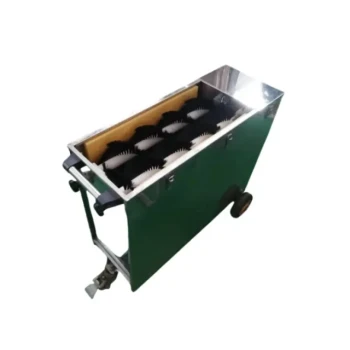
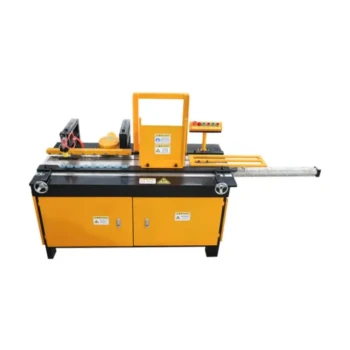
Professional beekeeping machinery acts as a critical logistical bridge in damaged ecosystems, transforming how apiarists respond to resource scarcity. By integrating specialized transport and feeding hardware with satellite intelligence, operators can rapidly relocate colonies to viable habitats and precisely administer nutritional support to offset the effects of fire or climate change.
In environments defined by instability, the primary operational challenge is resource continuity; specialized tools shift the workflow from reactive maintenance to proactive mobility and targeted nutritional intervention.
Mitigating Environmental Instability
Rapid Hive Relocation
In forests damaged by fire or climate shifts, static apiary sites often become unsustainable. Specialized transportation machinery allows for the efficient movement of hives across difficult terrain.
By leveraging satellite data to identify critical recovery zones, beekeepers can use this machinery to place colonies exactly where resources are stabilizing. This mobility is essential for chasing shortened flowering windows.
Precision Supplemental Feeding
Damaged nectar forests suffer from unstable resource availability and nutritional gaps. Automated feeding systems allow for the large-scale application of supplemental nutrition.
This ensures that colonies do not suffer from deficiencies during periods when the local flora cannot support them. It stabilizes colony health despite the external chaos of the ecosystem.
Ensuring Inspection Efficiency
Non-Destructive Hive Access
While heavy machinery handles logistics, efficiency at the individual hive level relies on basic technical tools like the hive tool and smoker. These are foundational for safely breaking propolis seals that bees use to close gaps.
Managing Colony Temperament
Efficient operations require calm colonies, especially during stress. The smoker is a technical necessity for managing bee temperament during inspections.
This allows for frame displacement and queen cell checks without triggering defensive behavior or causing physical damage to the hive structure.
Understanding the Trade-offs
Reliance on External Data
High-efficiency operations in damaged forests are heavily dependent on the accuracy of satellite data. If the remote sensing data misidentifies a critical area, machinery is deployed inefficiently, wasting fuel and stressing the bees with unnecessary travel.
Mechanical vs. Biological Balance
Over-reliance on supplemental feeding machinery can mask underlying health issues. While it prevents starvation, it acts as a life-support system that may delay necessary decisions about merging or reducing colony counts to match the actual carrying capacity of the forest.
Making the Right Choice for Your Goal
To maintain operational efficiency in compromised environments, align your tooling strategy with your immediate objectives:
- If your primary focus is Colony Survival: Prioritize heavy transportation machinery and satellite analysis to move hives rapidly to areas with remaining natural forage.
- If your primary focus is Colony Health Stabilization: Invest in precision supplemental feeding systems to bridge nutritional gaps caused by shortened flowering periods.
True efficiency in a damaged ecosystem comes from using machinery to adapt to the environment, not just to overpower it.
Summary Table:
| Solution Category | Key Equipment/Tools | Operational Impact |
|---|---|---|
| Logistics & Mobility | Transport Machinery & Satellite Data | Rapid relocation to viable forage zones and recovery areas. |
| Nutritional Support | Automated Feeding Systems | Precision delivery of supplements to bridge resource gaps. |
| Colony Management | Smokers & Hive Tools | Non-destructive access and temperament control for faster checks. |
| Efficiency Tech | Remote Sensing & Satellite Intel | Data-driven decision making for optimal hive placement. |
Scale Your Apiary Operations with HONESTBEE
Maintaining colony health in challenging environments requires more than just hard work—it requires industrial-grade precision. HONESTBEE specializes in supporting commercial apiaries and global distributors with a comprehensive wholesale range of beekeeping tools, machinery, and equipment.
From heavy-duty hive-making and honey-filling machines to essential industry consumables, our portfolio is designed to enhance your operational efficiency and long-term sustainability. Whether you are scaling a commercial operation or supplying the next generation of beekeepers, we provide the hardware and expertise you need to succeed.
Ready to upgrade your infrastructure? Contact us today to discuss wholesale solutions.
References
- Athanasios Antonopoulos, Konstantinos Karantzalos. Hierarchical Deep Learning Framework for Mapping Honey-Producing Tree Species in Dense Forest Ecosystems Using Sentinel-2 Imagery. DOI: 10.3390/agronomy15122858
This article is also based on technical information from HonestBee Knowledge Base .
Related Products
- HONESTBEE Classic Pry Bar Hive Tool with High Visibility Finish for Beekeeping
- Stainless Steel J Hook Hive Tool for Beekeeping
- HONESTBEE 15-in-1 Beekeeper Multi-Tool with Hammer and Pliers for Beekeeping
- Multi-Function Plier-Style Frame Grip Hive Tool
- HONESTBEE Professional Mini J-Hook Hive Tool for Beekeeping
People Also Ask
- What specific challenges do beekeeping hive tools address during hive maintenance? Essential Solutions for Apiaries
- Why are specialized beekeeping tools essential for executing colony health monitoring processes? Enhance Hive Precision
- What are some essential tools for beekeepers? Start Your Apiary with the Right Gear
- What are the essential tools and gear for basic beekeeping? Equip Your Apiary for Success and Safety
- What is the purpose of adding crystalline soda when disinfecting beekeeping tools? Boost Sterilization Efficiency