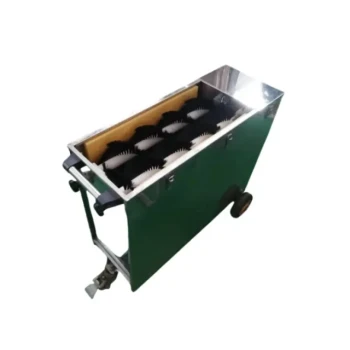
Professional beekeeping tools enhance IPM efficiency by enabling precise monitoring and targeted intervention. By facilitating accurate in-hive environmental tracking and pest screening without disrupting colony activity, these tools allow apiarists to substitute indiscriminate chemical treatments with scientific, biological controls.
Core Takeaway: Efficacy in Integrated Pest Management relies on data, not just application. Professional tools bridge the gap between observation and action, allowing beekeepers to safely perform the complex, frequent inspections required to balance chemical interventions with long-term biological health.
The Role of Precision in IPM
Minimizing Colony Disturbance
Non-invasive monitoring is critical for accurate data collection. Professional tools allow beekeepers to screen for pests and monitor the in-hive environment without disrupting the colony's normal activities.
Keeping the colony calm ensures that stress levels remain low. This allows the bees to maintain their natural defenses, which is a foundational aspect of any biological control strategy.
Moving From Blanket to Targeted Treatment
Efficiency in IPM is defined by reducing unnecessary chemical use. Specialized tools support refined operations, such as hygienic behavior testing, which identify exactly when and where intervention is needed.
By utilizing this data, beekeepers can administer targeted medication rather than indiscriminate chemical applications. This prevents the overuse of treatments that can harm the hive's long-term productivity.
Balancing Chemical and Biological Controls
The ultimate goal of IPM is a scientific balance between intervention and nature. Professional tools provide the metrics required to maintain this equilibrium.
They help the apiarist regulate the colony scientifically, ensuring that chemical interventions do not override or damage the biological controls already in place.
The Human Element: Safety as an Efficiency Driver
Enhancing Operational Composure
Precision requires steady hands. Specialized protective clothing, featuring puncture-resistant materials and fully enclosed vision windows, acts as a reliable biosafety barrier.
By neutralizing the risk of stings, this equipment allows operators to maintain composure. This is essential for performing complex tasks, such as removing burr combs or conducting delicate hygiene tests, with high precision.
Enabling Frequent and Thorough Inspection
Fear of injury inhibits data collection. Industrial-grade personal protective equipment (PPE) reduces the operational difficulty and safety risks associated with high bee activity.
When safety is guaranteed, beekeepers can conduct inspections that are both frequent and thorough. This consistency is vital for the early pest detection that successful IPM requires.
Understanding the Trade-offs
Tools Enable, They Do Not Decide
Hardware is not a replacement for strategy. While tools allow for "refined operations" and "scientific regulation," they require an operator capable of interpreting the data.
Possessing monitoring tools without the knowledge to analyze environmental data will not reduce chemical dependence. The tools support the decision-making process but cannot replace the beekeeper's judgment.
The Cost of Partial Adoption
Safety and monitoring are interdependent. Relying solely on protective gear to perform physical inspections without using monitoring tools for data collection leads to missed biological signals.
Conversely, using monitoring tools without adequate protection may lead to rushed or incomplete applications of treatments due to safety concerns. Maximum efficiency is only achieved when safety gear and monitoring hardware are used in tandem.
Implementing a Tool-Based IPM Strategy
To maximize the efficiency of your Integrated Pest Management strategy, select your tools based on your specific management goals:
- If your primary focus is reducing chemical load: Prioritize monitoring and screening tools that allow for hygienic behavior testing to identify the specific need for targeted medication.
- If your primary focus is operational consistency: Invest in industrial-grade protective equipment to eliminate safety risks, ensuring you can perform thorough inspections regardless of bee activity levels.
Investing in the right ecosystem of tools transforms beekeeping from a reactive struggle into a proactive, science-based discipline.
Summary Table:
| IPM Component | Role of Professional Tools | Impact on Efficiency |
|---|---|---|
| Pest Monitoring | Specialized screening & diagnostic tools | Enables data-driven, targeted interventions over blanket treatments. |
| Colony Health | Non-invasive environmental tracking | Reduces colony stress and maintains natural biological defenses. |
| Precision Tasks | Specialized hardware (e.g., hygiene test kits) | Allows for refined operations and scientific regulation of the hive. |
| Operator Safety | Industrial-grade PPE & puncture-resistant gear | Boosts composure and inspection frequency by neutralizing sting risks. |
Elevate Your Commercial Apiary with HONESTBEE
Transition from reactive hive management to a proactive, science-based discipline. HONESTBEE provides commercial apiaries and distributors with the high-performance tools necessary to master Integrated Pest Management (IPM). From industrial-grade protective gear that ensures operational composure to specialized machinery like hive-making and honey-filling systems, we supply the full spectrum of equipment and consumables required for large-scale success.
Why partner with HONESTBEE?
- Comprehensive Wholesale Catalog: One-stop sourcing for tools, hardware, and honey-themed merchandise.
- Precision Engineering: Equipment designed to facilitate accurate data collection and targeted treatments.
- Scalable Solutions: Specialized machinery tailored to the needs of professional distributors and commercial beekeeping operations.
Ready to optimize your efficiency and reduce chemical dependence? Contact us today to explore our wholesale offerings!
References
- Martine J. Barons, Aditi Shenvi. Where the bee sucks: a dynamic Bayesian network approach to decision support for pollinator abundance strategies. DOI: 10.1093/jrsssa/qnad126
This article is also based on technical information from HonestBee Knowledge Base .
Related Products
- Professional 600D Oxford Cloth Beekeeping Tool Bag with 8 Pockets and Elastic Loops
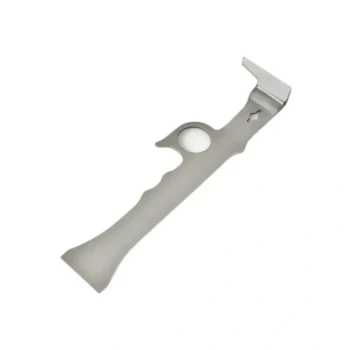
- HONESTBEE Professional Mini J-Hook Hive Tool for Beekeeping
- Double Head Beekeeping Grafting Tools for Beekeepers
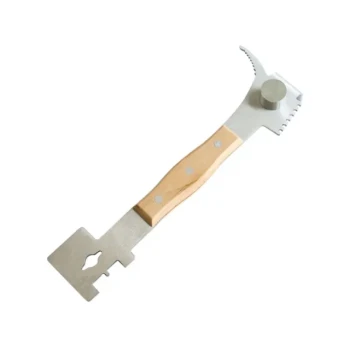
- HONESTBEE 15-in-1 Beekeeper Multi-Tool with Hammer and Pliers for Beekeeping
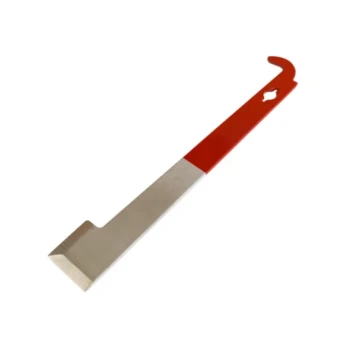
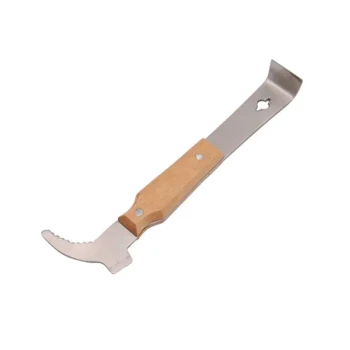
- Stainless Steel J Hook Hive Tool for Beekeeping
People Also Ask
- What is the recommended method for storing beekeeping tools? Expert Vertical Storage Solutions for Your Apiary
- Why is the treatment of beekeeping tools with high-concentration chemical disinfectants necessary for preventing AFB?
- How does a favorable microclimate interact with beekeeping tools? Boost Overwintering Success and Equipment Longevity
- What essential beekeeping tools are needed besides the hive? Must-Have Gear for Every Apiary
- How does the genetic identification of honeybee populations influence the selection of beekeeping tools? Precision Gear Guide