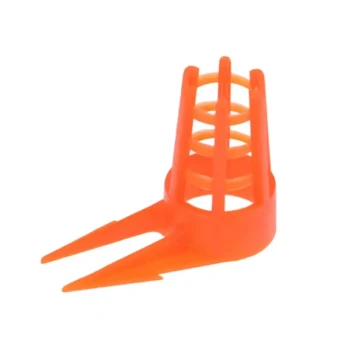
Radiation shields function as a critical thermal buffer for environmental sensors. By physically enclosing a sensor, these shields block direct solar radiation and reflected heat from the ground, ensuring the device measures the actual kinetic temperature of the air. This isolation prevents "solar loading" from artificially inflating temperature readings, which is vital for maintaining the integrity of apiary data.
Radiation shields eliminate radiation gain errors by isolating sensors from external heat sources, providing the accurate baseline data required for calculating precise thermal boundary conditions in apiary environments.
The Science of Precise Ambient Measurement
Blocking Direct and Reflected Thermal Energy
The primary role of a radiation shield is to create a controlled environment for the sensing element. It prevents direct solar rays and albedo (ground-reflected heat) from reaching the sensor surface.
Without this protection, a sensor absorbs radiant energy and reports a temperature much higher than the surrounding air. This leads to significant data inaccuracies that can compromise colony health assessments.
Eliminating Radiation Gain Errors
In professional apiary management, even a minor deviation in temperature data can lead to incorrect conclusions about hive activity. Radiation shields ensure that collected data is free from radiation gain errors, which are common in unshielded or poorly shielded setups.
By removing these external variables, the shield allows the sensor to record a pure ambient baseline. This precision is the foundation for all subsequent environmental modeling.
Supporting Complex Thermal Equations
Accurate ambient data is not just for observation; it is a critical input for convective boundary condition calculations. These thermal equations help beekeepers understand how heat moves between the hive and the environment.
When your clients use shielded sensors, they gain the ability to perform high-level thermal analysis. This level of professional-grade data is what separates amateur hobbyist equipment from industrial-standard apiary solutions.
Understanding Technical Trade-offs
Passive vs. Aspirated Ventilation
Most standard radiation shields rely on passive ventilation, using natural airflow to refresh the air around the sensor. While cost-effective and reliable, these require a minimum wind speed to prevent "heat soak" within the shield during stagnant periods.
For high-precision applications, aspirated shields use small fans to force airflow. While these provide the highest accuracy, they increase the power requirements and complexity of the deployment.
Material Choice and Reflectivity
The effectiveness of a shield is largely determined by its solar reflectance. High-quality shields use UV-stabilized, high-albedo materials that reflect the maximum amount of radiation.
Lower-quality alternatives may degrade over time, losing their reflectivity and eventually absorbing heat themselves. Professional distributors should prioritize durable, high-reflectance polymers to ensure long-term client satisfaction.
Streamlining Your Professional Sourcing
Expert-Vetted Portfolio Integration
As a distributor, offering radiation shields as part of a comprehensive monitoring package demonstrates deep industry expertise. Providing a one-stop-shop for sensors, shields, and mounting hardware simplifies the procurement process for your B2B clients.
By sourcing high-quality shielding, you position your brand as a provider of definitive technical solutions rather than just basic hardware. This builds trust with commercial beekeepers who rely on data for their livelihoods.
Efficient Fulfillment for Large-Scale Projects
In the B2B sector, rapid response times and efficient order fulfillment are as critical as the product itself. Apiary seasons are time-sensitive, and delays in equipment delivery can result in lost data for an entire season.
Partnering with a supplier that offers ultra-fast delivery and a robust supply chain ensures you can meet the demands of large-scale commercial apiaries without bottlenecking their operations.
How to Apply This to Your Portfolio
- If your primary focus is high-precision commercial apiaries: Prioritize multi-plate aspirated shields that offer the lowest possible radiation gain error for scientific-grade data.
- If your primary focus is cost-effective fleet management: Offer high-quality passive radiation shields that balance affordability with professional-grade UV-stable materials.
- If your primary focus is rapid deployment and ease of use: Select "all-in-one" sensor and shield integrated units to minimize installation time and reduce the risk of assembly errors in the field.
Investing in high-quality radiation shielding transforms raw environmental data into actionable intelligence for the modern apiarist.
Summary Table:
| Feature | Passive Radiation Shields | Aspirated Radiation Shields |
|---|---|---|
| Mechanism | Natural airflow/ventilation | Fan-driven forced airflow |
| Accuracy | High (Industry Standard) | Ultra-High (Scientific Grade) |
| Power Needs | None (Self-Sustaining) | Requires constant power source |
| Best For | Cost-effective fleet management | High-precision research & monitoring |
| Material | UV-stabilized, high-albedo polymers | High-reflectance durable housings |
Scale Your Apiary Business with HONESTBEE
As a premier partner for distributors, wholesalers, and B2B resellers, HONESTBEE provides a comprehensive one-stop sourcing solution for the entire beekeeping industry. We offer a full spectrum of professional-grade beekeeping tools, machinery, and essential consumables—from specialized hive-making and honey-filling machines to high-precision environmental monitoring hardware.
Why Choose HONESTBEE?
- Comprehensive Portfolio: Access everything from industrial machinery to honey-themed cultural merchandise.
- Rapid Fulfillment: Benefit from ultra-fast delivery and efficient order processing to meet seasonal demands.
- Industry Expertise: Leverage our deep professional knowledge to provide your clients with definitive technical solutions.
- OEM/ODM Support: Tailored services designed to maximize your profit margins and brand reliability.
Ready to elevate your inventory with industry-leading apiary technology?
Contact Our Expert Team Today!
References
- Girault Manuel, Ruffio, Emmanuel. Experiment-based Reduced Order Model by MIM applied to empty beehives for temperature prediction. DOI: 10.25855/sft2025-087
This article is also based on technical information from HonestBee Knowledge Base .
Related Products
- Professional Beekeeper Suit with Square Folding Cotton Veil
- Heavy-Duty Ergonomic Grip Galvanized Pollen Shovel
- HONESTBEE AC Powered Wire Embedder with Alligator Clips
- Solar Beeswax Melter Easy Solar Wax Melter for Beeswax
- 5 Gallon Pail Opener Bucket Opener Tool for Honey Bucket
People Also Ask
- What material and design specifications are recommended for a high-quality beekeeper suit? Top Gear Selection Guide
- Why is mobility crucial when wearing a beekeeping suit? Essential Fit Guide for Optimal Safety and Performance
- Why do beekeepers often wear white clothing? The Science Behind Bee Calm and Keeper Safety
- What substances can accumulate on a beekeeping suit over time? A Guide to Hive Contaminants
- When is it recommended to wear a beekeeping suit? Essential Safety Guide for Every Beekeeper