Seasonal temperature swings do not directly create ordinary foulbrood. They cause colonies to contract around the warmest part of the brood nest, potentially leaving peripheral larvae chilled or unattended. Cold-stressed brood may die and decompose, creating symptoms that can resemble foulbrood, while weakened colonies may also become more vulnerable to bacterial brood diseases; proper insulation, brood-nest control, and ventilation reduce these risks.
Temperature fluctuation is primarily a brood-chilling and colony-stress problem, not a standalone cause of foulbrood. Hive equipment mitigates the risk by helping bees maintain a compact, dry, stable brood environment while supporting accurate disease diagnosis.
How Day-to-Night Fluctuations Affect the Brood Nest
The colony contracts to conserve heat
In spring and autumn, daytime warmth can encourage brood expansion, but a sharp nighttime temperature drop forces worker bees to cluster more tightly. Brood on outer frames may then receive less coverage and less heat.
This is especially risky when the queen has laid eggs across a brood area that is larger than the colony can reliably protect.
Peripheral brood can become chilled
Developing larvae require stable temperatures and adequate nurse-bee coverage. Cold snaps, strong winds, and brief periods of colony disruption can lower brood temperature enough to cause mortality.
Chilled brood is therefore the most direct consequence of seasonal temperature fluctuation. The dead larvae may be removed by workers, dry out, or decompose in the cells.
Stress can increase disease vulnerability
Thermal stress can weaken colony organization and reduce the efficiency of brood care. It may also leave dead or damaged brood in the nest, creating conditions in which opportunistic bacteria can multiply.
However, temperature stress alone should not be described as the direct cause of foulbrood. Foulbrood is an infectious bacterial disease, and suspected cases require proper inspection and diagnosis.
Why Chilled Brood Can Be Mistaken for Foulbrood
Similar visual symptoms create confusion
Dead brood, irregular brood patterns, discoloration, and larvae breaking down in their cells can occur after chilling. Some of these signs overlap with bacterial brood diseases.
Equipment and management can reduce the initial problem, but they cannot reliably distinguish chilled brood from American or European foulbrood. Beekeepers should use established diagnostic methods or seek qualified apiary or laboratory support when disease is suspected.
Foulbrood has specific infectious causes
American foulbrood is associated with Paenibacillus larvae, while European foulbrood is associated primarily with Melissococcus plutonius. These diseases are not simply thermal disorders.
The practical distinction matters for distributors and beekeepers because disease-control measures, legal reporting obligations, equipment handling, and hive-disinfection requirements may differ by region and diagnosis.
How Hive Management Equipment Reduces the Risk
Use insulation to stabilize brood temperature
Well-insulated hive bodies, covers, and roof components reduce the rate at which heat escapes overnight. This helps the colony maintain the brood nest without consuming excessive energy or abandoning peripheral brood.
Insulation should be appropriate for the local climate and paired with moisture control. A hive that retains heat but traps condensation can still expose brood to cold water.
Keep the brood nest compact
Frame reducers and brood-nest management tools help align the available brood area with the colony's current population. A compact nest is easier for worker bees to cover during sudden weather changes.
Beekeepers should avoid giving small or recovering colonies more brood space than they can heat and protect. Expansion should follow colony strength, food availability, and weather stability.
Manage top and side ventilation carefully
Properly designed ventilation accessories help remove excess humidity and reduce condensation beneath the cover. Without sufficient moisture control, warm air can condense on cold surfaces and drip onto brood comb.
Ventilation should not create uncontrolled drafts through the brood nest. The objective is controlled air exchange that manages moisture while preserving the colony's ability to retain heat.
Use wind protection and stable hive placement
High winds increase heat loss and can disturb the colony's temperature balance. Equipment such as secure hive stands, windbreaks, properly fitted covers, and stable components helps reduce exposure.
Placement is part of the equipment system: a well-designed hive performs better when protected from prevailing winds and positioned where it receives suitable sunlight and drainage.
Minimize exposure during inspections
When temperatures are below approximately 10°C (50°F) or winds are strong, inspections should be brief and purposeful. Removing multiple frames for an extended period can break the brood cluster and release heat rapidly.
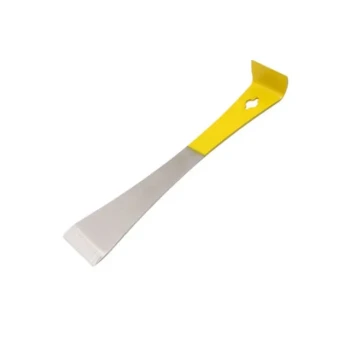
High-quality hive tools, frame grips, covers, and organized inspection equipment help shorten the intervention and restore the hive quickly.
What a Complete Equipment Program Should Include
Prioritize compatibility across the hive system
Insulated covers, hive bodies, reducers, frames, ventilation parts, and stands must work together. Poorly fitting components can create drafts, moisture leaks, or unstable internal dimensions.
For B2B buyers, a compatible product portfolio is more valuable than isolated products because it allows resellers to supply a complete seasonal-management solution.
Match products to regional conditions
Cold, windy climates require stronger heat-retention measures, while humid regions may place greater emphasis on controlled ventilation and condensation management. Product recommendations should account for local weather patterns, hive design, and beekeeper experience.
A one-size-fits-all equipment package can either retain too much moisture or expose colonies to unnecessary heat loss.
Support fast, reliable fulfillment
Seasonal equipment demand is time-sensitive. Distributors and wholesalers need dependable inventory, rapid quotations, responsive technical support, and efficient order fulfillment before spring expansion or autumn preparation begins.
A supplier with a full-spectrum product range can simplify sourcing by consolidating insulation, ventilation, brood-nest, and routine-management items into fewer orders.
Understanding the Trade-offs
Insulation without moisture control can backfire
Additional insulation can reduce heat loss, but it does not eliminate condensation. If humid air meets a cold cover and cannot escape, water may accumulate and drip onto the brood nest.
The solution is a balanced system of insulation, roof design, ventilation, drainage, and appropriate colony management.
Ventilation without protection can increase chilling
Openings that are too large, poorly placed, or exposed to prevailing winds can create drafts through the cluster. Ventilation should remove moisture without forcing bees to expend excessive energy maintaining brood temperature.
Equipment specifications and local installation guidance are therefore important parts of the product offering.
Equipment cannot replace colony-strength management
Reducers and insulation are most effective when the colony has adequate worker bees, food, and a healthy queen. They cannot compensate for severe queen problems, starvation, heavy infestation, or an infectious brood disease.
Management tools should be presented as risk-reduction measures, not as substitutes for inspection and diagnosis.
Treating every dead larva as foulbrood creates avoidable losses
Chilled brood and foulbrood require different responses. Destroying or treating colonies without confirming the cause can waste inventory, spread incorrect recommendations, and create regulatory problems.
Resellers should provide clear product documentation and encourage customers to follow local veterinary, apiary, and disease-reporting requirements.
Making the Right Choice for Your Goal
The most useful purchasing decision is the one that combines equipment quality with seasonal management guidance.
- If your primary focus is brood survival: Supply insulated hive components, frame reducers, secure covers, and brood-nest tools that help colonies maintain compact, well-covered brood areas.
- If your primary focus is moisture control: Prioritize compatible top and side ventilation accessories that reduce condensation without creating drafts through the brood chamber.
- If your primary focus is reseller value: Choose a supplier offering a complete hive-equipment portfolio, rapid response, technical expertise, reliable inventory, and fast order fulfillment.
- If your primary focus is disease prevention: Pair temperature-control equipment with brief cold-weather inspections, accurate diagnosis, hygiene procedures, and compliance with local foulbrood regulations.
Stable temperature, controlled moisture, and correctly sized brood space give colonies the best practical protection against seasonal brood losses while keeping disease decisions evidence-based.
Summary Table:
| Factor | Impact on Hive | Mitigation Equipment/Strategy |
|---|---|---|
| Temperature fluctuation | Colony contracts, peripheral brood can be chilled | Insulated hive bodies and covers |
| Chilled brood | Dead or weakened brood, symptoms resembling foulbrood | Frame reducers to keep brood nest compact |
| Disease vulnerability | Increased stress, opportunistic bacteria | Ventilation to control moisture |
| Condensation | Cold water drips on brood | Top/side ventilation, moisture control |
| Inspections in cold weather | Heat loss and brood disruption | Minimal exposure, use proper tools |
Looking for reliable hive management equipment to protect your colonies? HONESTBEE offers a comprehensive range of beekeeping tools and supplies for commercial apiaries and distributors. Our products are designed for quality and compatibility, ensuring your hives stay healthy through seasonal changes. With OEM/ODM support, certifications, and fast order fulfillment, we help you build a profitable supply chain. Contact us today for a quote and let's work together — Get in touch now!
Related Products
- Ergonomic Plastic Frame Spacer Tool for Rapid Hive Management Beekeeping
- Multi-Function Plier-Style Frame Grip Hive Tool
- Stainless Steel J Hook Hive Tool for Beekeeping
- HONESTBEE Professional Long Handled Hive Tool with Precision Cutting Blade
- Professional Stainless Steel Pry-Bar Hive Tool
People Also Ask
- What specific challenges do beekeeping hive tools address during hive maintenance? Essential Solutions for Apiaries
- How do specialized beehive management tools assist in the routine maintenance of bee colonies? Boost Hive Efficiency
- How do specialized beehive management tools support high-purity honey production? Master Monofloral Isolation
- What additional equipment might be useful for beekeeping? Boost Hive Health & Efficiency
- How do spring inspections for honeybee starvation symptoms guide apiary management? Optimize Colony Survival & Growth