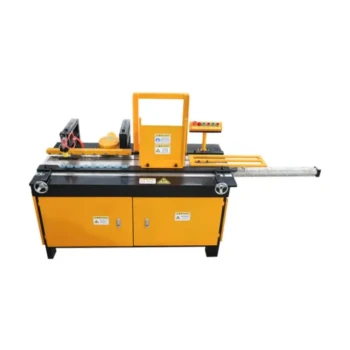
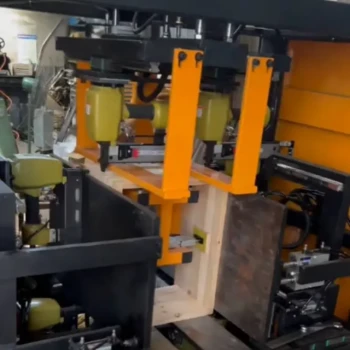
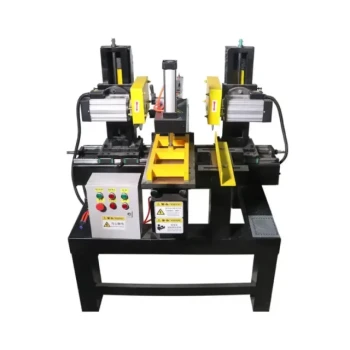
Specialized hive-making machines facilitate expansion by enabling the in-house mass production of standardized, high-quality hive components. This capability drastically reduces the capital investment required to scale operations while ensuring compatibility with modern logistics systems. By automating the creation of uniform hardware, apiaries can seamlessly integrate mechanized harvesting and palletized transportation into their workflow.
The transition to industrial-scale beekeeping relies on the shift from manual craftsmanship to automated precision. Specialized machinery provides the necessary infrastructure backbone—lowering unit costs and ensuring total hardware interoperability—that allows operations to manage thousands of colonies as a cohesive, integrated system rather than isolated units.
Operational Integration Through Standardization
The primary driver for using specialized machinery is the ability to integrate biological management with industrial warehousing logic.
Reducing Capital Expenditures
Expanding a commercial apiary requires thousands of new hive boxes. Specialized machines allow operators to produce these units in-house using wood or composite materials, replacing inefficient manual production. This significantly reduces the unit cost of each hive, lowering the overall capital barrier to increasing colony numbers.
Enabling Mechanized Logistics
Large-scale beekeeping is increasingly mobile, often involving pollination contracts across vast agricultural landscapes. Machine-made hives are manufactured to exact specifications, making them fully compatible with palletized transportation. This uniformity allows for rapid loading, efficient stacking in modern warehouses, and safer transport over long distances.
Ensuring Component Interchangeability
In operations managing tens of thousands of colonies, hardware inconsistency is a logistical nightmare. Precision machinery ensures that every frame, bottom board, and hive body is identical. This complete interchangeability streamlines colony splitting and maintenance, as parts can be swapped between any two hives without modification.
Enhancing Biological Efficiency
Beyond logistics, precision manufacturing directly impacts the biological success and productivity of the honeybee colonies.
Optimizing "Bee Space"
Bees require a specific gap (known as "bee space") to move freely without building excess burr comb, which glues hive parts together. Specialized equipment cuts components to exact dimensional standards to maintain this space. This precision reduces the labor required for cleaning and maintenance, thereby increasing overall work efficiency.
Facilitating Mechanized Harvesting
Automated honey extraction lines require frames that are uniform and robust. Standardized hives produced by these machines fit seamlessly into mechanized extraction equipment. This integration is critical for processing large volumes of honey quickly, which is essential for export-oriented models.
Extending Infrastructure Service Life
Commercial hives face complex outdoor weather conditions. Specialized machinery produces robust structures that are more durable than hand-assembled alternatives. This durability extends the service life of the apiary infrastructure, reducing long-term replacement costs and ensuring colonies are well-protected.
Understanding the Trade-offs
While the benefits of automation are clear for large-scale operations, there are strategic considerations to keep in mind.
High Initial Implementation Costs
While the machinery reduces the cost per hive over time, the upfront cost of acquiring industrial-grade woodworking or molding equipment is significant. Operations must have sufficient scale (or projected growth) to amortize this investment effectively.
Dependency on Technical Maintenance
Shifting from purchasing hives to manufacturing them requires a shift in operational expertise. The beekeeping operation must now maintain complex machinery. A breakdown in the manufacturing line can delay critical expansions during time-sensitive seasons.
Rigidity of Design
Mass production relies on strict standardization. Once a specific hive dimension or standard is adopted for the machinery, switching to a different hive style or dimension becomes difficult and costly. This locks the operation into a specific hardware ecosystem.
Making the Right Choice for Your Goal
To determine if investing in specialized hive-making machinery is the right step for your operation, consider your primary business objective.
- If your primary focus is Rapid Scale (10,000+ colonies): Invest in machinery to secure low-cost, high-volume production that supports palletized transport and mechanized pollination logistics.
- If your primary focus is Operational Efficiency: Prioritize precision equipment that guarantees "bee space" accuracy to reduce manual maintenance labor and streamline the honey extraction process.
By aligning your hardware production strategy with your operational scale, you transform beekeeping from a labor-intensive craft into a streamlined, export-ready industry.
Summary Table:
| Key Feature | Impact on Large-Scale Operations | Primary Business Benefit |
|---|---|---|
| In-house Mass Production | Replaces manual assembly with automation | Drastically reduces unit costs and capital barriers |
| Standardized Dimensions | Ensures 100% component interchangeability | Streamlines colony splitting and maintenance |
| Logistics Compatibility | Precision parts fit standard pallets/warehouses | Enables rapid, safe, and mechanized transportation |
| Biological Precision | Maintains perfect "bee space" | Reduces labor for hive cleaning and boosts efficiency |
| Durability | Produces robust, industrial-grade hardware | Extends infrastructure life and reduces replacement costs |
Scale Your Commercial Apiary with HONESTBEE Expertise
Ready to transform your beekeeping operation into a high-efficiency industrial powerhouse? HONESTBEE caters specifically to commercial apiaries and distributors, providing the comprehensive wholesale infrastructure you need to grow.
We supply a full spectrum of professional-grade beekeeping tools and machinery, including:
- Specialized Hardware: Precision hive-making machines and automated honey-filling lines.
- Essential Consumables: A wide array of industry-standard supplies for high-volume management.
- Beekeeping Equipment: Durable tools designed for heavy, repetitive use.
- Cultural Merchandise: Unique honey-themed products to diversify your brand.
Don’t let manual production limit your growth. Partner with a supplier that understands the demands of large-scale logistics and biological precision.
Contact HONESTBEE today to discuss our wholesale offerings and empower your expansion!
References
- Mariusz Maciejczak, Katarzyna Kalinka. FUNCTIONING OF SELECTED BEEKEEPING FARMS IN POLAND DURING COVID-19 PANDEMIC. DOI: 10.22630/aspe.2023.22.1.4
This article is also based on technical information from HonestBee Knowledge Base .
Related Products
- High-Efficiency Pneumatic Bee Hive Making Machine for Rapid Box Assembly
- Mini Desktop Bee Hive Frame Forming Making Machine
- Beehive Handle and Frame Rest Cutting Machine: Your Specialized Hive Machine
- Automatic High-Speed Bee Hive Box Stapling Machine
- Beehive Machine Double End Saw for Precision Hive Component Manufacturing
People Also Ask
- How does the introduction of professional beehive-making machinery benefit sustainable beekeeping? Scale Your Apiary
- Why is specialized beehive-making machinery critical for low-defense breeding? Enhance Selection with Precision Tools
- How does the introduction of specialized beehive making machinery contribute to increasing the scale of regional beekeeping industries?
- What is the importance of specialized beehive making machinery in a circular bio-economy? Build Local Sustainability
- Why is specialized beehive-making machinery essential? Scale Your Apiary with Precision Industrial Standards