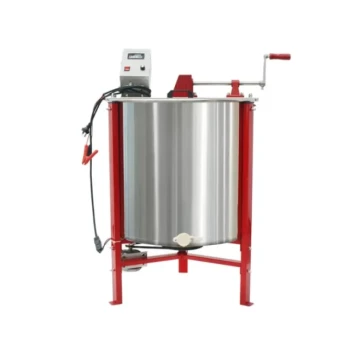
Specialized honey processing machinery acts as the foundational hardware for scaling beekeeping from a hobby to a viable commercial enterprise. By utilizing centrifugal extractors and automated filling machines, operators can achieve high-volume production while ensuring rigorous hygiene standards. These systems provide the mechanized precision required to maintain consistent filling accuracy, which is non-negotiable for bringing retail-ready products to market.
Core Takeaway: Automation in honey processing transforms a raw agricultural byproduct into a standardized commercial asset. By maximizing hygiene and filling precision, these machines not only ensure regulatory compliance but also unlock the financial stability needed to reinvest in colony health and long-term operations.
The Pillars of Commercial Standardization
Establishing Hygiene and Purity
The primary function of industrial processing equipment is to enforce high hygiene standards that manual methods cannot guarantee. Mechanized operations minimize human contact with the product, significantly reducing the risk of contamination during the extraction and packaging phases. This adherence to sanitary protocols is essential for accessing high-end retail markets and meeting food safety regulations.
Ensuring Filling Precision
Commercial success relies on the ability to deliver a consistent product. Industrial filling machines provide precise metering, ensuring that every container meets exact volume specifications. This standardization is critical for inventory management, regulatory compliance, and maintaining consumer trust in the brand’s reliability.
Operational Efficiency and Economic Impact
Reducing Labor Dependency
High-performance extractors and automatic uncapping machines drastically increase the number of hives a single operator can manage. By accelerating the extraction process, these machines reduce the labor intensity required per harvest. This reduction in labor costs allows apiaries to remain profitable even in regions facing logistical challenges or higher wage requirements.
Shortening Production Cycles
Automated systems enable rapid packaging, converting bulk harvests into shelf-ready goods in a fraction of the time required by manual processing. This speed shortens the production cycle, allowing producers to capitalize on market demand faster. Efficiency at this stage creates a more responsive and agile business model.
Balancing Revenue Streams
For many operations, honey is a byproduct of pollination services. Efficient processing transforms this byproduct into a lucrative secondary income source. This additional revenue stream helps balance the books when pollination fees are insufficient, maximizing the overall profitability of the agricultural operation.
Strategic Resource Reallocation
Funding Colony Health
The efficiency gains from automated processing do more than just improve margins; they free up capital and human resources. By optimizing backend processing, beekeepers can redirect focus toward critical biological tasks, such as disease management and winter preparation.
Mitigating Environmental Risks
Scientific management of bee populations requires consistent investment. The commercial value unlocked by high-efficiency processing provides the financial buffer needed to weather non-controllable risks. This includes mitigating the impacts of climate change and natural disasters that threaten colony health.
Understanding the Trade-offs
Capital Intensity vs. Long-Term Gain
While specialized machinery increases throughput, it represents a significant upfront capital expenditure. Smaller operations must weigh the cost of investment against their actual production volume. A premature investment in high-capacity machinery before colony yields are stable can strain financial resources.
Maintenance and Technical Reliance
Transitioning to automated systems introduces a reliance on technical reliability. Equipment downtime due to mechanical failure can create bottlenecks that stall the entire production line. Operators must account for the costs of maintenance and the necessity of having skilled technical support on hand.
Making the Right Choice for Your Goal
To maximize the value of specialized processing machinery, align your equipment choices with your specific operational objectives:
- If your primary focus is Market Expansion: Prioritize high-precision filling machines to ensure your packaging meets the strict standardization and hygiene requirements of retail chains.
- If your primary focus is Cost Reduction: Invest in high-capacity extractors and uncapping machines to maximize the number of hives manageable by your existing labor force.
- If your primary focus is Colony Sustainability: Use the increased revenue from efficient processing to directly fund disease management and winter preparation protocols.
The integration of specialized processing machinery is the bridge between raw agricultural output and a sustainable, profitable commercial business.
Summary Table:
| Feature | Commercial Benefit | Impact on Operation |
|---|---|---|
| Centrifugal Extractors | High-volume honey recovery | Maximizes yield while reducing manual labor intensity. |
| Automated Filling Machines | Precise metering & consistency | Ensures regulatory compliance and retail-ready standardization. |
| High Hygiene Standards | Minimized product contamination | Essential for meeting food safety laws and high-end market entry. |
| Operational Efficiency | Shortened production cycles | Increases agility to respond to market demand and improves cash flow. |
| Labor Reduction | Lower per-unit production cost | Allows focus to shift from processing to colony health management. |
Scale Your Beekeeping Enterprise with HONESTBEE
Transitioning from a hobbyist to a commercial powerhouse requires more than just bees—it requires the right hardware. HONESTBEE specializes in empowering commercial apiaries and distributors with a comprehensive suite of professional-grade tools.
Whether you need automated honey-filling machines to meet retail standards, high-capacity extractors to streamline your harvest, or specialized hive-making machinery to expand your infrastructure, we provide the industrial-strength solutions you need to maximize your ROI.
Ready to optimize your production and secure your secondary revenue streams?
Contact HONESTBEE Today to explore our wholesale equipment catalog and discover how we can help you build a more resilient and profitable beekeeping business.
References
- Rogan Tokach, Judy Wu‐Smart. Re-using food resources from failed honey bee (Apis mellifera L.) colonies and their impact on colony queen rearing capacity. DOI: 10.1038/s41598-023-44037-2
This article is also based on technical information from HonestBee Knowledge Base .
Related Products
- Precision Durable Efficient HONESTBEE Rotary Honey Filling Machine
- Double Nozzle Small Honey Filling Machine Honey Sachet Packing Packaging Equipment
- Economy Small Honey Filling Machine Honey Bottle Filler Packaging Machine
- Automatic Honey Filling and Filtering Machine for Beekeeping Bottle Filling
- Fully Automatic Honey Filling Packaging Machine for Processing Line
People Also Ask
- What are the common types of bottling machines used for honey? Choosing the Right Solution for Your Apiary
- What quality control role does professional honey filling equipment perform? Ensure Consistency and Product Stability
- What is a key feature of the new generation of the honey filling machine? The Advanced Electronic Control Unit
- How do honey filling and processing machines aid native bee product conservation? Boost Value with HONESTBEE Technology
- How do honey filling machines work? Achieve Precision & Speed for Your Apiary