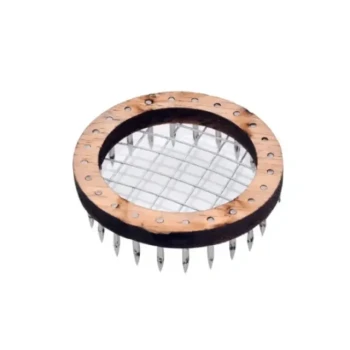
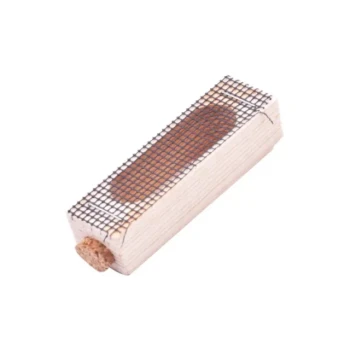
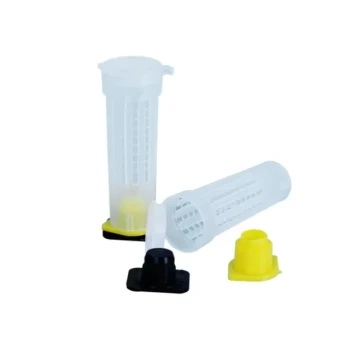
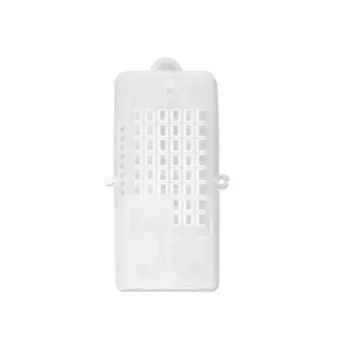
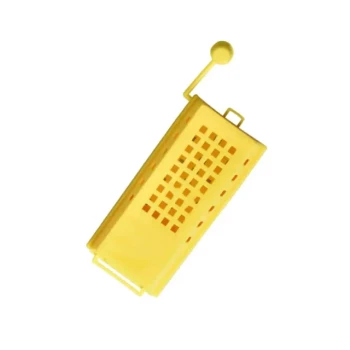
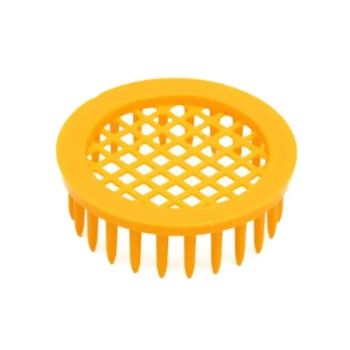
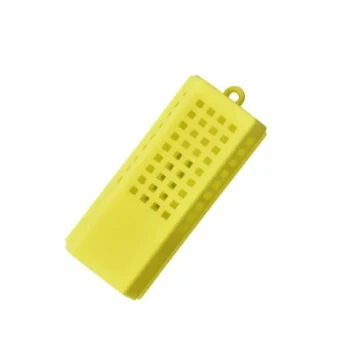
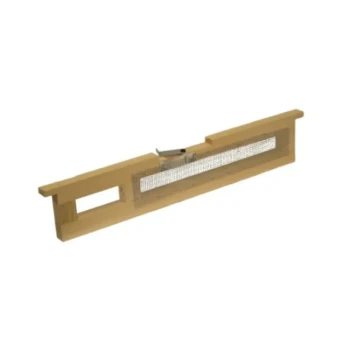
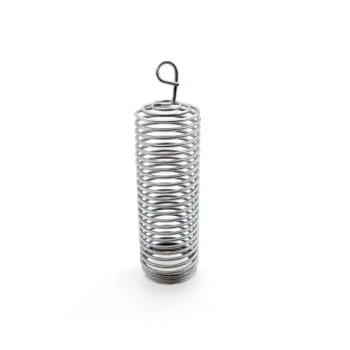
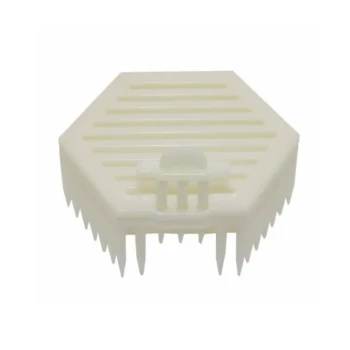
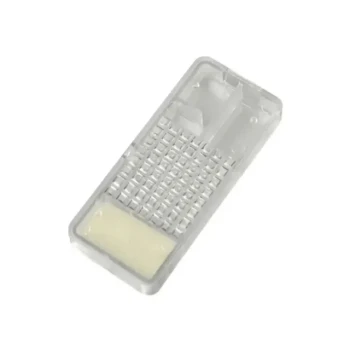
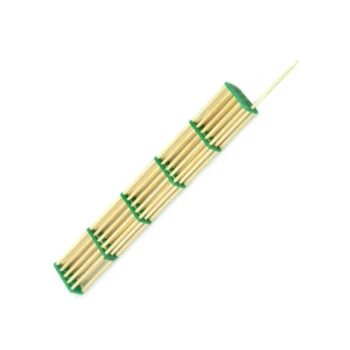
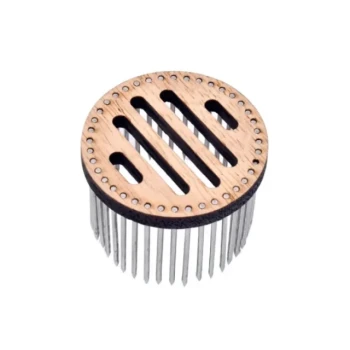
Specialized mesh insect rearing cages act as the fundamental structural interface between the laboratory environment and the biological needs of honeybees. These cages provide a secure, ventilated enclosure that facilitates precise liquid feeding—such as administering sucrose solutions containing specific compounds like 10mM Sodium Butyrate—while enabling the simulation of natural hive temperatures within an incubator to ensure accurate experimental data.
Valid indoor honeybee bioassays require the isolation of experimental variables from environmental stress. Specialized mesh cages bridge this gap by offering a controlled, escape-proof environment that maintains physiological stability, thereby ensuring that survival rate data reflects the actual experiment rather than housing conditions.
Establishing Experimental Integrity
Optimizing Airflow and Environment
The primary technical advantage of mesh cages is their ability to provide a well-ventilated space. Unlike solid-walled containers, the mesh design facilitates constant air exchange, which is critical for preventing the buildup of humidity and respiratory byproducts.
This ventilation prevents the "greenhouse effect" inside the cage. It ensures that the internal microclimate matches the ambient conditions set by the researcher.
Ensuring Secure Containment
Bioassays rely on fixed sample sizes to produce statistically significant results. These specialized cages are designed specifically to prevent escape, ensuring that every subject remains part of the dataset throughout the study.
Secure containment also protects laboratory personnel. It allows for close observation of behavior without the risk of physical interaction or stinging incidents.
Facilitating Precise Dietary Interventions
Controlled Liquid Feeding
A critical aspect of indoor bioassays is the administration of specific dietary treatments. The design of these rearing cages accommodates precise liquid feeding systems.
This setup allows researchers to deliver exact concentrations of test substances. For example, studies often utilize sucrose water containing additives like 10mM Sodium Butyrate to test physiological responses or toxicity.
Eliminating Feeding Stress
The cage structure allows bees to access food sources naturally without the need for researchers to open the enclosure frequently. This minimizes handling stress, which can otherwise skew physiological data and alter survival rates.
Maintaining Physiological Stability
Simulating Hive Conditions
Honeybees are highly sensitive to temperature fluctuations. These cages are designed to be placed within an incubator that simulates the internal temperature of a beehive.
The mesh material ensures that the thermal regulation provided by the incubator penetrates the cage effectively. This allows the bees to maintain physiological stability comparable to their natural state in a colony.
Enhancing Data Accuracy
The ultimate goal of using specialized rearing equipment is ensuring the accuracy of survival rate experiments. By stabilizing the environment and diet, researchers can be confident that mortality or behavioral changes are due to the experimental variables, not poor housing conditions.
Understanding the Constraints
Dependency on External Regulation
While mesh cages offer excellent ventilation, they offer zero thermal or humidity buffering. The internal condition of the cage is entirely dependent on the stability of the external incubator; if the incubator fails, the cage cannot protect the bees from rapid temperature changes.
Desiccation Risks
The high ventilation rate, while generally beneficial, can lead to desiccation if ambient humidity is not monitored. Researchers must ensure the incubator maintains appropriate humidity levels to prevent the liquid feed from evaporating or the bees from becoming dehydrated.
Making the Right Choice for Your Bioassay
To maximize the validity of your indoor honeybee experiments, align your equipment usage with your specific analytical goals:
- If your primary focus is Toxicity or Survival Rates: Prioritize secure containment and incubator compatibility to ensure your sample size remains constant and physiological stability is maintained.
- If your primary focus is Dietary Response (e.g., Sodium Butyrate): Ensure the cage design supports precise liquid feeding mechanisms that allow for easy measurement of consumption without disturbing the subjects.
By standardizing the rearing environment with specialized mesh cages, you transform variable biological subjects into reliable data points.
Summary Table:
| Feature | Technical Benefit | Impact on Bioassay |
|---|---|---|
| Mesh Construction | High-efficiency airflow | Prevents humidity buildup and "greenhouse effect" |
| Secure Containment | Escape-proof design | Maintains fixed sample size and statistical integrity |
| Feeding Interface | Supports liquid feeders | Enables precise dosing of treatments like Sodium Butyrate |
| Thermal Conductivity | Minimal insulation | Ensures incubator temperatures reach bees accurately |
| Visual Access | Clear observation | Allows behavioral monitoring without handling stress |
Elevate Your Research with HONESTBEE Precision Equipment
At HONESTBEE, we understand that experimental integrity is the backbone of your success. Whether you are a commercial apiary looking to optimize colony health or a distributor supplying top-tier research institutions, we provide the professional-grade tools you need.
Our extensive portfolio includes everything from specialized honey-filling and hive-making machinery to the essential beekeeping consumables required for high-stakes laboratory bioassays. We help you eliminate variables and achieve physiological stability in every study.
Ready to upgrade your laboratory or wholesale inventory? Contact HONESTBEE Today to explore our comprehensive range of beekeeping hardware and cultural merchandise tailored for industry leaders.
References
- Yee-Tung Hu, Yueh‐Lung Wu. Regulation of genes related to immune signaling and detoxification in Apis mellifera by an inhibitor of histone deacetylation. DOI: 10.1038/srep41255
This article is also based on technical information from HonestBee Knowledge Base .
Related Products
- Wood and Mesh Push-In Queen Cage
- Automatic Heat Preservation 6 Frame Pro Nuc Box for Honey Bee Queen Mating
- Classic Wooden and Mesh California Queen Cage
- Twin Queen Styrofoam Honey Bee Nucs Mating and Breeding Box
- Langstroth Honey Bee Box Hive Boxes for Different Depths
People Also Ask
- When is a queen introduced with a push-in cage ready for full release? Key Signs for Maximum Colony Acceptance
- How are queen cages used to protect newly hatched queens? Secure Your Virgin Queens During Development
- Why are queen cages or grid cages used in bee studies? Achieve Precise Biological Data for Research
- What advantages do push-in queen cages offer? Boost Acceptance Rates for Artificially Inseminated Queens
- What is a push-in queen cage and how does it differ from a standard queen cage? Boosting Your Queen Acceptance Rates