Standardized beekeeping hardware acts as the operational backbone for colony splitting, transforming a complex biological event into a scalable industrial process. By utilizing uniform hive components, specific division boards, and queen introduction tools, beekeepers can segment a strong colony into multiple independent production units. This infrastructure provides the immediate physical protection and environmental stability required for new colonies to recover rapidly and meet spring pollination demands.
The use of standardized hardware converts the biological risk of colony splitting into a controlled management strategy, allowing commercial apiaries to rapidly offset overwintering losses and scale operations through interchangeable, precision-engineered infrastructure.
The Role of Infrastructure in Biological Recovery
Creating Independent Ecosystems
The primary function of standardized hardware during a split is to provide immediate, autonomous living space. By transferring approximately half of the brood and adult bees into a new setup, the hardware physically delineates the new colony.
This ensures the divided unit has the essential physical infrastructure to function independently from the moment of separation.
Enhancing Colony Defense
Newly split colonies are vulnerable due to reduced population numbers. Standardized components, particularly division boards and precision entrance designs, allow the colony to establish a manageable defense perimeter.
This hardware segmentation enables the colony to quickly organize a defense system, minimizing the risk of robbing by other bees or intrusion by pests.
Stabilizing the Microclimate
Recovery requires energy, and maintaining hive temperature consumes significant resources. High-precision manufacturing ensures hive components seal tightly, reducing gaps that cause heat loss or drafts.
This structural accuracy creates a stable temperature and humidity environment, allowing the bees to focus energy on brood rearing rather than thermoregulation.
Operational Efficiency Through Interchangeability
The Power of Uniform Specifications
In a commercial apiary, every minute counts. Standardized hives ensure that any frame, lid, or bottom board fits any hive box without modification.
This interchangeability allows for the rapid reorganization of hive structures during mass splitting operations, removing the friction of mismatched equipment.
Facilitating Mechanization and Handling
Standardized dimensions enable the use of automated beekeeping machinery and hive-making machines. This ensures that large-scale operations can manage hundreds of colonies with consistent hygiene and handling protocols.
By supporting mechanized relocation, apiaries reduce human interference, thereby lowering stress levels for the bees during critical transition periods.
Protecting the Queen
The success of a split hinges on the acceptance of a new queen. Professional colony splitting tools and artificial hives are designed to facilitate safe queen introduction.
These tools provide adequate preset space and reduce the risk of injury to the queen or worker loss during the physically chaotic process of division.
Understanding the Trade-offs
The Maintenance Imperative
While standardized hardware offers precision, it is not a "set and forget" solution. The structural integrity of the hive is the only barrier against pests.
If beekeepers neglect regular maintenance to seal cracks or gaps, the hardware fails as a safeguard, allowing pests like wax moths to enter and destroy the weakened colony.
Precision vs. Cost
High-precision manufacturing equipment creates superior sealing and interchangeability, but this comes at a higher initial asset cost compared to rudimentary gear.
Commercial operations must weigh this upfront investment against the long-term savings in reduced winter mortality and increased operational speed.
Making the Right Choice for Your Apiary
To leverage standardized hardware effectively for colony splitting, align your equipment choices with your specific operational goals:
- If your primary focus is rapid recovery from winter losses: Prioritize division boards and high-precision boxes that maximize thermal retention to support faster brood rearing.
- If your primary focus is large-scale operational efficiency: Invest in fully interchangeable, machine-compatible components to streamline the use of automated handling and extraction equipment.
Ultimately, standardized hardware is not just a container for bees, but the critical engineering control that stabilizes biological volatility and secures the continuity of the apiary.
Summary Table:
| Feature | Impact on Colony Splitting | Commercial Benefit |
|---|---|---|
| Interchangeable Parts | Seamlessly move frames and boxes between units | Reduced labor time and operational friction |
| Thermal Regulation | High-precision seals maintain brood nest heat | Faster colony recovery and reduced energy loss |
| Defensive Hardware | Precision entrances and division boards | Minimized robbing risks and pest intrusion |
| Mechanical Compatibility | Uniform dimensions for hive-making/handling machines | Scalability through automated apiary management |
Maximize Your Apiary's Growth Potential with HONESTBEE
Transitioning from manual labor to industrial-scale efficiency requires more than just bees—it requires precision engineering. HONESTBEE specializes in supporting commercial apiaries and distributors with a complete wholesale range of professional beekeeping infrastructure.
Whether you need specialized hardware like hive-making and honey-filling machines to automate your production, or high-precision hive components and essential consumables to ensure successful colony splitting, we provide the tools to scale your operations.
Ready to optimize your yield and reduce winter mortality?
Contact HONESTBEE Today to discover how our comprehensive equipment portfolio can transform your beekeeping business.
References
- Angela Spleen, Dennis vanEngelsdorp. A national survey of managed honey bee 2011–12 winter colony losses in the United States: results from the Bee Informed Partnership. DOI: 10.3896/ibra.1.52.2.07
This article is also based on technical information from HonestBee Knowledge Base .
Related Products
- Stainless Steel Round Beehive Air Vents for Ventilation
- Durable Plastic Hive Number Set for Beekeeping
- Professional Multi-Function Stainless Steel Hive Tool
- Plastic Bee Frame Beekeeping Hive Frames for Wholesale
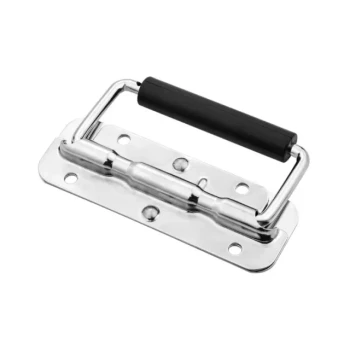
- Premium Comfort Grip Spring-Loaded Hive Handles
People Also Ask
- How does ventilation affect colony health, and how should it be managed seasonally? A Guide to Preventing Moisture & Overheating
- Why is proper ventilation important in a beehive? Prevent Mold, Regulate Temperature, and Boost Colony Health
- How can a beekeeper provide proper ventilation for a beehive throughout the year? Seasonal Strategies for Bee Health
- Why is good ventilation crucial when transporting beehives? Protect Your Colony from Lethal Overheating
- How can ventilation be added to a beehive without using an inner cover? Simple, Effective Solutions for Healthy Hives