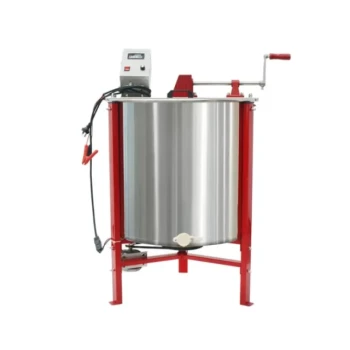
Standardized live-frame beehives and centrifugal extractors drive efficiency primarily by conserving colony energy. By enabling non-destructive harvest, these tools allow honey removal without destroying the honeycomb, freeing bees from the energy-intensive task of rebuilding wax nests so they can focus strictly on foraging and production.
The core efficiency gain in modern beekeeping lies in shifting biological resources from reconstruction to production. By preserving the wax comb structure during extraction, beekeepers significantly increase honey yields while standardizing operations for industrial scalability.
The Biological Advantage: Conserving Colony Energy
The Cost of Wax Production
In traditional beekeeping, harvesting honey often destroys the wax comb. This forces bees to consume significant amounts of honey to generate the energy required to secrete new wax and rebuild the nest.
Non-Destructive Extraction
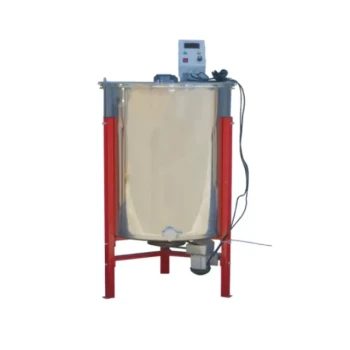
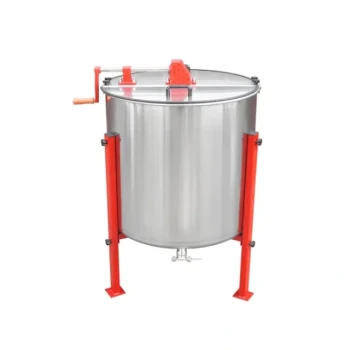
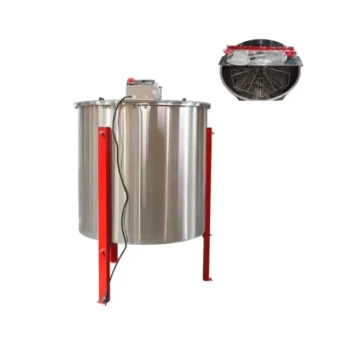
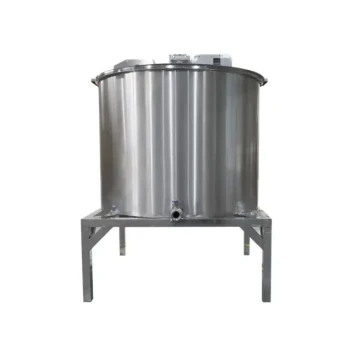
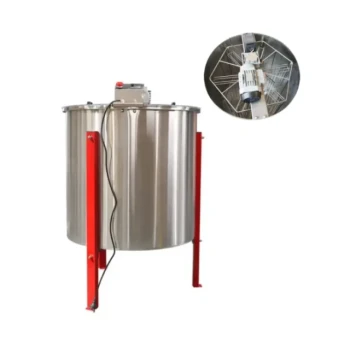
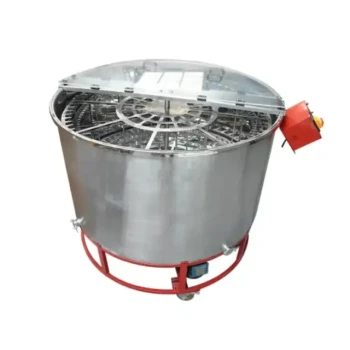
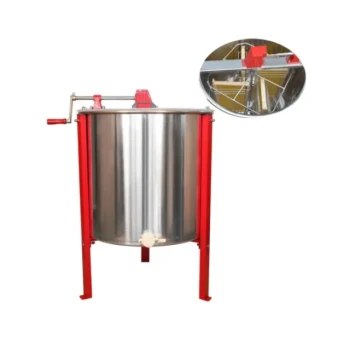
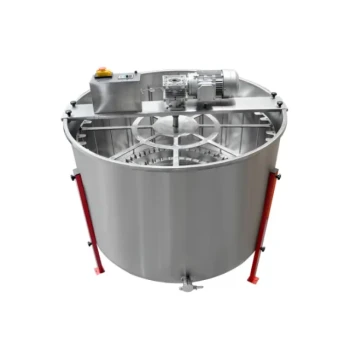
Centrifugal extractors utilize high-speed rotation to separate honey from uncapped combs using physical force. Because this process leaves the structural integrity of the comb intact, the frames can be immediately recycled and returned to the hive.
Redirection of Labor
When the comb is preserved, the colony does not need to allocate workers or food resources to rebuilding efforts. Consequently, the bees redirect their energy toward nectar collection and honey production, leading to significantly higher yields per colony.
The Operational Advantage: Standardization and Scalability
Universal Compatibility
Standardized beehives utilize uniform frame specifications. This interchangeability ensures that components from one hive fit into any other, simplifying inventory management and reducing the costs associated with expanding apiary operations.
Mechanical Integration
The uniformity of live-frame hives is the foundation of industrial beekeeping. It allows for the use of automated machinery in both the extraction and manufacturing phases, streamlining the entire production chain from hive construction to harvest.
Data-Driven Management
Uniform hive specifications allow beekeepers to convert dispersed apiary sites into quantifiable spatial data. Accurately recording colony size and production capacity becomes possible, which is essential for ecological modeling and maintaining stable outputs.
Quality Control and Market Efficiency
Hygiene and Traceability
Standardized extraction facilities provide a controlled physical space that adheres to food safety standards. By minimizing human contact and manual handling, these tools prevent contamination, ensuring the product traceability required for high-end retail markets.
Disease Control and Ventilation
Modern equipment is designed to optimize the physical environment for the bees, offering better ventilation and reducing the risk of natural diseases. A healthier colony survives overwintering at higher rates, reducing stock losses and maintaining consistent production levels.
Understanding the Trade-offs
Capital vs. Labor
While these tools minimize manual labor and boost yield, they require a higher initial capital investment compared to traditional methods. The efficiency gain must be weighed against the cost of machinery and standardized consumables.
Disease Transmission Risks
The interchangeability of frames, while efficient for operations, introduces a risk of cross-contamination. If frames are moved indiscriminately between healthy and sick colonies without inspection, standardized equipment can accelerate the spread of pathogens.
Making the Right Choice for Your Goal
To maximize the potential of modern beekeeping equipment, align your strategy with your specific operational focus:
- If your primary focus is Maximum Yield: Prioritize the recycling of drawn combs to minimize the energy your bees spend on wax production.
- If your primary focus is Industrial Scalability: Invest in strictly standardized hive components to ensure seamless compatibility with automated processing machinery.
- If your primary focus is Market Access: Utilize closed-system centrifugal extractors to meet international hygiene regulations and ensure product traceability.
True efficiency is achieved when the biological needs of the colony are perfectly synchronized with the mechanical precision of your equipment.
Summary Table:
| Efficiency Factor | Traditional Method | Modern Standardized Method | Impact on Production |
|---|---|---|---|
| Comb Management | Destroyed during harvest | Preserved and recycled | Bees focus on nectar, not rebuilding |
| Extraction Process | Manual crushing/straining | High-speed centrifugal force | Faster harvest with higher purity |
| Equipment Fit | Custom/Inconsistent | Uniform & Interchangeable | Seamless scaling and automation |
| Biological Energy | Diverted to wax secretion | Dedicated to foraging | Significantly higher honey yields |
| Market Readiness | Variable hygiene | Food-grade traceability | Meets international safety standards |
Elevate Your Commercial Honey Production with HONESTBEE
Are you ready to scale your apiary operations and maximize seasonal yields? HONESTBEE provides professional-grade solutions tailored for commercial apiaries and distributors. From standardized live-frame hives that optimize colony health to industrial honey-filling and centrifugal extraction machinery, we offer the full spectrum of beekeeping tools and hardware.
Our comprehensive wholesale portfolio includes:
- Precision Machinery: Automated hive-making and honey-processing equipment.
- Industrial Consumables: High-quality essentials for daily apiary management.
- Retail Value-Add: Honey-themed cultural merchandise to diversify your brand.
Partner with HONESTBEE to transform your beekeeping efficiency. Contact us today to discuss your wholesale needs and see how our expertise can drive your business growth!
References
- Olugbenga Omotayo Alabı, Chinwe Edith ANEKWE. Technical efficiency of honey and beeswax production in Kaduna State, Nigeria: Implications for climate and food security sustainability. DOI: 10.17306/j.jard.2023.01706
This article is also based on technical information from HonestBee Knowledge Base .
Related Products
- electric honey extractor honey centrifuge 3 frame honey extractor stainless steel honey frame extractor
- Manual Hand Crank 4 Frame Honey Extractor Centrifuge for Beekeeping
- Professional 4 Frame Self Reversing Electric Honey Extractor for Beekeeping
- 24 Frame Honey Extractor Commercial Radial Honey Frame Extraction Machine
- Electric 4 Frame Tangential Honey Extractor
People Also Ask
- What are the characteristics of electric honey extractors? Boost Your Apiary Efficiency with Automated Technology
- What are the disadvantages of using an electric honey extractor? Weighing Cost, Power, and Comb Safety
- What are the advantages of an electric honey extractor? Boost Efficiency and Scale Your Honey Production
- What are the technical advantages of electric honey extractors? Maximize Yield and Protect Your Bee Colony
- How does an electric honey extractor affect the quality of honey? Preserve Flavor & Purity with Precision Extraction