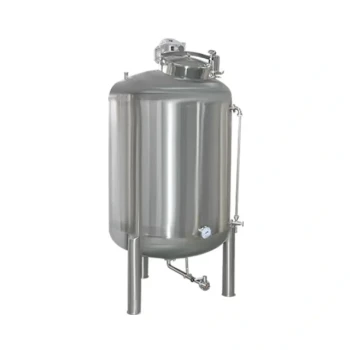
Temperature-controlled storage systems act as a metabolic brake for honey, directly inhibiting the chemical reactions that degrade quality over time. By providing a stable, low-temperature environment, these systems significantly slow the decomposition of fructose into Hydroxymethylfurfural (HMF), preserving the honey's freshness, enzyme activity, and medicinal value.
Core Takeaway HMF levels are a direct indicator of heat exposure and age. By maintaining temperatures below 20°C, controlled storage systems inhibit the thermal decomposition of sugars, ensuring HMF levels remain below legal limits while preserving the delicate biological enzymes that define high-quality honey.
The Mechanism of HMF Inhibition
Slowing Fructose Decomposition
HMF is formed primarily through the breakdown of fructose. This is a temperature-dependent chemical reaction.
Storage systems lower the ambient temperature to reduce the thermal energy available for this reaction. This effectively pauses the decomposition process, preventing the rapid spike in HMF that occurs in uncontrolled environments.
Mitigating Acidic Reactions
Honey is naturally acidic, an environment that inherently fosters chemical changes.
Under warmer conditions, this acidity catalyzes the conversion of sugars into HMF. Industrial-grade temperature control suppresses this catalytic effect, neutralizing the risk posed by the honey's natural pH.
Ensuring Regulatory Compliance
HMF content is a strictly regulated quality standard.
For many markets, HMF must remain below a limit of 60mg/kg. Controlled storage ensures that honey remains compliant with these legal standards for extended periods, typically one to two years.
Preserving Biological Value
Protecting Enzyme Activity
There is a direct correlation between HMF levels and the health of honey enzymes.
As HMF rises due to heat, sensitive enzymes like diastase are destroyed. By keeping the environment cool, storage systems preserve diastase activity, which is crucial for the honey's medicinal and nutritional classification.
Maintaining Freshness Indicators
HMF is the industry's "freshness clock."
Low HMF levels signal to buyers that the honey has been handled correctly and has not been thermally aged. Controlled storage allows producers to deliver a product that is chemically indistinguishable from freshly harvested honey.
Operational Considerations and Trade-offs
The Necessity of Humidity Control
Temperature control alone is insufficient for total preservation.
If a system lowers temperature but ignores humidity, the honey may absorb moisture from the air. This can lead to fermentation and spoilage, rendering the low HMF levels irrelevant. Effective systems must maintain relative humidity around 65%.
Energy vs. Shelf Life
Maintaining a constant, dark, and cool environment requires continuous energy input.
Operators must balance the energy costs of climate control against the value of extended shelf life. However, for premium or medicinal honey, this investment is necessary to prevent the irreversible loss of biological quality.
Making the Right Choice for Your Goal
Effective storage is about matching the environment to your specific preservation targets.
- If your primary focus is Regulatory Compliance: Ensure your system guarantees a temperature ceiling that prevents HMF from exceeding 60mg/kg over your target storage duration.
- If your primary focus is Medicinal Quality: Prioritize a strict environment below 20°C to maximize the retention of diastase and other active enzymes.
- If your primary focus is Spoilage Prevention: Integrate precise humidity control (approx. 65%) alongside temperature regulation to prevent fermentation.
By arresting the chemical aging process, temperature-controlled storage transforms honey from a perishable commodity into a stable, high-value asset.
Summary Table:
| Factor | Controlled Storage Impact | Benefit to Honey Quality |
|---|---|---|
| HMF Formation | Inhibits fructose decomposition | Keeps levels below 60mg/kg legal limits |
| Enzyme Activity | Preserves Diastase & sensitive enzymes | Maintains medicinal and nutritional value |
| Chemical Aging | Slows thermal decomposition of sugars | Ensures the product remains "fresh" for 1-2 years |
| Humidity Control | Maintains ~65% relative humidity | Prevents moisture absorption and fermentation |
| Acidity Catalyst | Neutralizes pH-driven reactions | Prevents rapid sugar conversion in acidic environments |
Maximize Your Honey Quality with HONESTBEE Professional Solutions
At HONESTBEE, we understand that maintaining low HMF levels and preserving biological enzymes are critical for commercial success. Whether you are a large-scale commercial apiary or a global distributor, our comprehensive wholesale offerings provide the tools you need to succeed.
From industrial-grade beekeeping machinery and honey-filling systems to specialized hardware and essential consumables, we empower your business to deliver premium, high-value honey products. Our portfolio even includes honey-themed cultural merchandise to help you stand out in the marketplace.
Ready to upgrade your beekeeping operations and secure your shelf life?
Contact HONESTBEE Today for a Consultation
References
- Mohamad Al Kilani. Optimizing Good Apiculture Practices for Premium Honey Production: An Overview. DOI: 10.59735/arabjhs.vi25.376
This article is also based on technical information from HonestBee Knowledge Base .
Related Products
- Professional Honey Storage Tank with Agitation System
- Stainless Steel Honey Storage and Settling Tank with Double Strainer
- Stainless Steel Honey Storage Tank with Lid for Honey
- Plastic Honey Gate Spout with Wing Nut for Beekeeping Honey Bucket
People Also Ask
- What economic role do honey storage tanks play? Boost Your Revenue Through Strategic Inventory Management
- What roles do industrial honey storage tanks and filtration meshes play in processing? Ensure Purity & Consistency
- What is the purpose of a honey storage tank? Streamline Your Honey Processing for Quality & Efficiency
- What are honey storage tanks used for? Essential Features for Quality Preservation and Profit
- How do large honey storage tanks and gravity fall filling systems improve honey packaging efficiency and safety?