Species biology directly determines apiary equipment and management strategy. Apis mellifera usually forms larger, more productive colonies and is well suited to standardized multi-story hives, full-size frames, queen excluders, and high-capacity extraction systems. Apis cerana generally forms smaller colonies, uses smaller comb dimensions, and is more prone to swarming and absconding, so it benefits from appropriately scaled equipment, stronger colony-retention practices, and lightweight, adaptable hive hardware.
The correct equipment is species-specific—not simply “standard.” Choose hive dimensions, frames, processing capacity, pest-control supplies, and protective equipment according to colony size, comb construction, behavior, local climate, and the operating scale of the apiary.
How Colony Biology Shapes Hive Selection
Colony population and hive volume
A. mellifera colonies can become substantially larger during strong nectar flows. They therefore commonly require larger hive bodies, multiple supers, stable frame support, and durable hive stands.
A. cerana colonies are typically smaller and may not occupy the same internal volume efficiently. Excessive hive space can make temperature regulation and colony management more difficult, particularly in weak colonies or marginal forage conditions.
Frame and comb dimensions
Both species construct parallel combs in enclosed cavities and can be managed in movable-frame systems. However, frame dimensions, comb spacing, foundation, and bee-space settings must match the local stock and hive design.
Standard A. mellifera frames should not automatically be transferred to A. cerana colonies. In many operations, A. cerana requires smaller or otherwise modified frames and foundation to encourage proper comb construction and reduce the risk of poor acceptance or abandonment.
Hive materials and portability
Large A. mellifera colonies and full honey supers place greater loads on boxes, frames, hive bodies, and transport equipment. Commercial operators should prioritize structural strength, consistent dimensions, replaceable components, and lifting efficiency.
A. cerana operations are often located in forests, plantations, hills, or rugged terrain. Lightweight but durable boxes, secure handles, compact tools, and transport-friendly hive stands can be more valuable than maximum hive capacity.
How Behavior Changes Management Requirements
Swarming and absconding risk
A. cerana generally has a stronger tendency to swarm and may abandon a hive when exposed to forage shortages, excessive disturbance, pests, unsuitable temperature, or poor hive conditions. Equipment selection should therefore support frequent but low-disturbance inspections, effective ventilation, entrance adjustment, and rapid colony checks.
Management must also emphasize timely swarm prevention, adequate forage planning, queen and brood assessment, and minimizing unnecessary hive opening.
Propolis and hive sealing
A. mellifera commonly uses propolis to seal gaps and stabilize parts of the hive. This can improve colony control but may make frames and boxes stick together during inspections.
Beekeepers managing A. mellifera should stock reliable hive tools, frame grips, and robust frame rests. With A. cerana, which generally provides less propolis sealing, careful hive construction and routine maintenance of joints, lids, and entrances become more important.
Temperament and protective equipment
Behavior varies by subspecies, strain, season, and management history—not only by species. Docile A. mellifera lines may be easy to inspect, while defensive colonies of either species can require more protection and experienced handling.
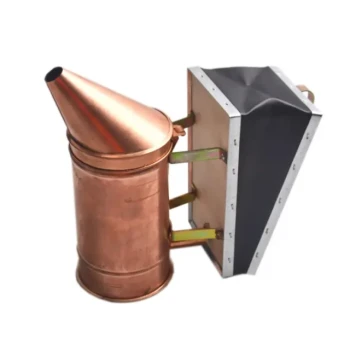
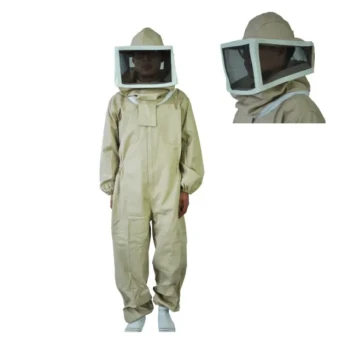
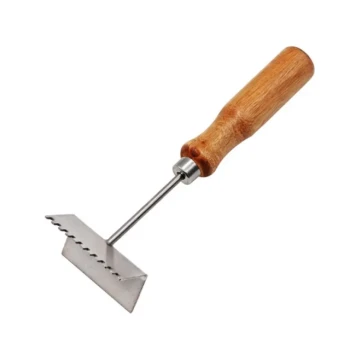
A practical equipment portfolio should include ventilated bee suits, gloves, veils, smokers, replacement smoker parts, and hive-handling tools. Commercial suppliers should offer protective equipment in several levels rather than assuming one specification fits every apiary.
How Productivity Determines Processing Equipment
Honey volume and extraction capacity
A. mellifera generally produces higher colony-level honey yields under suitable commercial conditions. Its larger colonies, heavier nectar loads, and use in concentrated agricultural forage make high-capacity extractors, uncapping equipment, settling tanks, filters, pumps, and filling systems more economically justified.
A. cerana often produces lower yields per colony, although output varies significantly with region, altitude, forage, climate, and management. Smaller operations may be better served by compact extractors, modular processing equipment, and equipment that can be moved easily between apiary sites.
Published yield figures vary widely, so equipment should be sized from the operator’s actual colony count, peak harvest volume, extraction schedule, and expansion plan—not from a single average.
Frame stability and load handling
Heavy A. mellifera supers require frames and hive boxes that remain dimensionally stable during transport and extraction. Weak woodwork, inconsistent frame spacing, or undersized extractor baskets can create bottlenecks and equipment damage.
For A. cerana, the priority is accurate compatibility. Extractor baskets, frame holders, uncapping tools, and foundation systems must physically fit the selected frame format; a high-capacity machine is not useful if its frame support is incompatible.
Queen excluders and modular hive systems
Queen excluders and standardized supers can support efficient honey production in A. mellifera systems when correctly fitted and managed. They are most useful where colonies are strong enough to occupy the equipment and the operator is following a consistent frame system.
With A. cerana, excluders and supers should be selected more cautiously. Excessive restriction or poorly matched equipment can reduce usable brood and storage space, encourage congestion, or increase swarming pressure.
How Climate and Forage Affect the Equipment Plan
Local adaptation
A. cerana is strongly adapted to many Asian microclimates and can perform well across forested, plantation, hilly, and varied terrain. Its apiaries may need weather-resistant, easy-to-repair equipment that accommodates difficult access and fluctuating forage.
A. mellifera often performs particularly well where forage is concentrated, such as agricultural plains, irrigated crops, and major orchard flows. These systems can justify expanded supers, migratory transport equipment, and centralized processing machinery.
Ventilation and thermal management
Hive design must balance ventilation, moisture control, shade, and protection from temperature extremes. The correct arrangement depends on the local climate and colony strength rather than species labels alone.
Equipment options may include screened floors, adjustable entrances, shade structures, insulated covers, moisture-control components, and secure hive lids. These should be selected as a coordinated system; adding ventilation or insulation without considering local conditions can create new management problems.
Seasonal and strain differences
Within each species, races and hybrids differ in winter survival, defensive behavior, swarming tendency, and foraging performance. Cold-hardy lines may require less emergency thermal support, while other stocks may need additional insulation or wintering arrangements.
Distributors and resellers should therefore supply configurable product ranges, including several box sizes, entrance-control options, frame formats, protective-gear levels, and seasonal management accessories.
Matching Pest and Disease Tools to the Species
Different vulnerability profiles
A. mellifera generally requires active monitoring and control of threats such as Varroa mites and hornets. Apiaries should plan for mite-monitoring tools, approved treatment equipment and supplies, screened floors where appropriate, hornet traps, and entrance guards.
A. cerana has behavioral and biological defenses against some threats, but it remains vulnerable to other problems, including acarine mites, sacbrood, and foulbrood. This does not eliminate the need for monitoring; it changes the diagnostic priorities and treatment protocols.
Equipment should support inspection
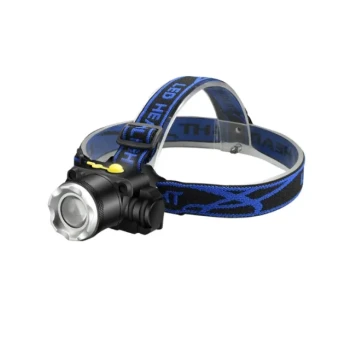
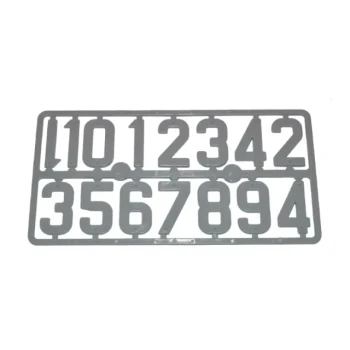
The most valuable disease-control equipment is often the equipment that makes regular observation practical. Clear frame identification, accessible hive components, inspection lighting, sampling tools, record-keeping systems, and hygienic tools help operators detect problems before they spread.
Treatments must always follow local regulations, product labels, withdrawal requirements, and veterinary or extension guidance. Equipment selection cannot replace sound biosecurity and colony monitoring.
Understanding the Trade-offs
Standardization versus species compatibility
Standardized A. mellifera equipment can reduce purchasing complexity, simplify spare-parts management, and support mechanized processing. However, applying that standard indiscriminately to A. cerana can produce poor comb fit, wasted internal space, and inefficient colony management.
Species-specific equipment may increase inventory complexity, but it improves biological compatibility. For suppliers, a one-stop portfolio should include clearly identified species and frame-format options, not a single universal product presented as suitable for all bees.
Capacity versus utilization
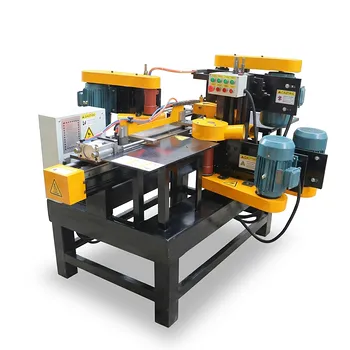
High-capacity extraction and filling systems can reduce labor costs in large A. mellifera operations. In smaller A. cerana apiaries, the same machinery may remain underused, be difficult to transport, and increase capital costs without improving returns.
The appropriate question is not “Which machine has the largest capacity?” but “What peak volume must this apiary process within its harvest window?”
Durability versus portability
Heavy wooden equipment and reinforced hardware provide stability for large colonies and repeated commercial handling. Lightweight equipment improves mobility and reduces labor in remote apiaries but may require closer inspection for weathering, warping, and transport damage.
The best specification depends on whether the business is optimized for centralized throughput, migratory beekeeping, remote access, or small-scale flexibility.
Protective coverage versus handling efficiency
More protective clothing improves safety for defensive colonies but can reduce dexterity and increase heat stress. Protective gear should be matched to climate, colony temperament, work duration, and operator experience.
A professional apiary should maintain suitable options rather than relying on either minimal protection or unnecessarily restrictive clothing.
Making the Right Choice for Your Goal
Equipment decisions should begin with the species, local bee stock, colony scale, forage environment, and expected harvest volume.
- If your primary focus is high-volume Apis mellifera production: Prioritize robust multi-story hives, standardized full-size frames, strong supers, queen excluders, high-capacity extraction systems, and active Varroa and hornet-management supplies.
- If your primary focus is Apis cerana production: Select species-compatible frame and foundation dimensions, compact hive formats, adjustable entrances, secure hive construction, and lightweight tools that support frequent low-disturbance management.
- If your primary focus is remote or migratory apiaries: Favor durable, portable equipment with secure handles, efficient hive transport systems, weather-resistant materials, and modular processing machinery.
- If your primary focus is distribution or wholesale supply: Build a clearly labeled, full-spectrum portfolio covering both species, multiple frame standards, protective gear, pest-management tools, replacement parts, and rapid fulfillment for seasonal demand.
- If your primary focus is operational efficiency: Standardize components within each apiary, document frame and hive dimensions, and size processing equipment to actual peak throughput rather than nominal colony numbers.
When equipment reflects bee biology, the apiary gains better colony stability, safer handling, lower operating waste, and more predictable production.
Summary Table:
| Aspect | Apis cerana (Eastern) | Apis mellifera (Western) |
|---|---|---|
| Colony Size | Smaller colonies require compact hives and reduced space. | Larger colonies need multi-story hives and full-size frames. |
| Frame Dimensions | Smaller or modified frames; precise compatibility essential. | Standard full-size frames; consistent dimensions for mechanization. |
| Swarming/Absconding | Higher risk; require frequent low-disturbance inspections and entrance control. | Lower risk; manageable with standard techniques and queen excluders. |
| Honey Production | Lower yields per colony; compact processing equipment for peak volume. | Higher yields; high-capacity extraction and filling systems justified. |
| Pest/Disease | Vulnerable to acarine, sacbrood, foulbrood; monitoring emphasized. | Active Varroa and hornet control; monitoring and treatment supplies. |
| Climate Adaptation | Adapted to varied Asian climates; lightweight, weather-resistant gear. | Prefers concentrated forage; robust transport equipment for migratory use. |
Optimize Your Apiary with Species-Specific Equipment
At HONESTBEE, we supply a full-spectrum portfolio of beekeeping tools, machinery, and equipment tailored to both eastern and western honeybees. Whether you're a commercial apiary needing high-capacity extractors for Apis mellifera or a small-scale beekeeper requiring compact, lightweight gear for Apis cerana, our premium trading services ensure rapid response, dedicated support, and ultra-fast delivery. As a distributor or wholesaler, benefit from our OEM/ODM support, certified products, and supply reliability to maximize your profit margins.
Contact us today to discuss your equipment needs and elevate your apiary management!
Related Products
- Professional Grade Foldable Beehive Handles
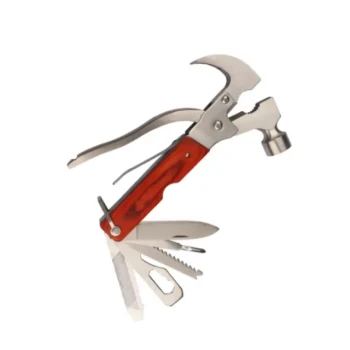
- HONESTBEE 15-in-1 Beekeeper Multi-Tool with Hammer and Pliers for Beekeeping
- HONESTBEE Professional Long Handled Hive Tool with Precision Cutting Blade
- Professional Rechargeable Beekeeping Headlamp Flashlight with Red Light Mode and Type-C Charging
- Heavy-Duty Ergonomic Grip Galvanized Pollen Shovel
People Also Ask
- How do bee hive handles facilitate the evaluation of food stores? Use the Lift Test for Winter Survival
- How do hive handling tools and propolis management affect bee colony behavior during routine apiary maintenance? Minimize Disturbance with Precise Techniques
- How do the geometry and dimensions of hive handles influence operational safety and control? Expert Design Insights
- What is a bee hive tool? Discover Why It’s the Most Essential Hand Tool for Every Beekeeper
- What are the common sizes and features of bee hive tools? Choose the Right Tools for Your Apiary