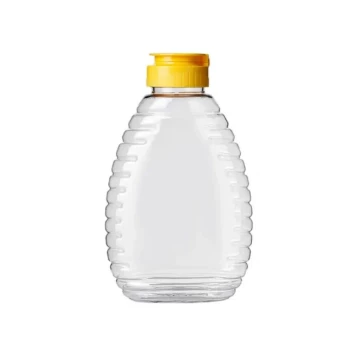
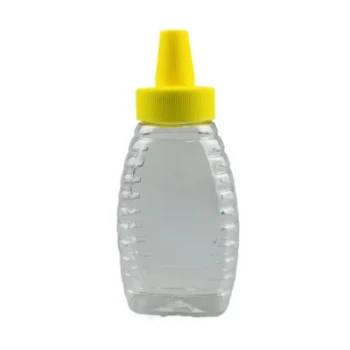
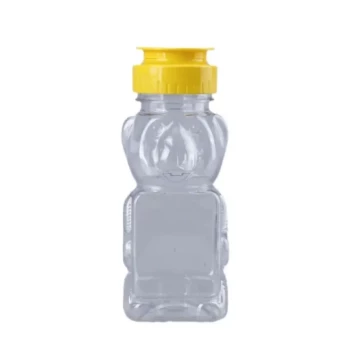
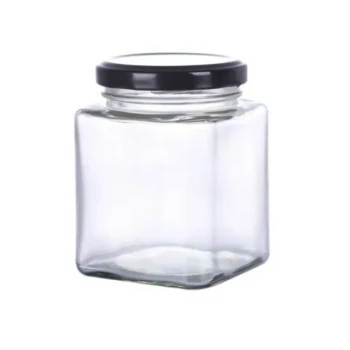
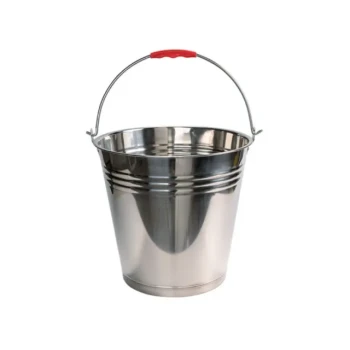
Strategic packaging diversification significantly enhances honey marketing efficiency by aligning product volume with consumer behavior. Specifically, utilizing plastic containers ranging from 2 liters to 20 liters allows producers to transition from simple bulk sales to a segmented retail strategy, directly targeting both heavy-use individual consumers and small-scale commercial buyers.
Core Insight: Efficiency in honey marketing isn't just about the product; it is about accessibility and application. By offering a spectrum of sizes from 2L to 20L, you bridge the gap between household consumption and industrial use, optimizing turnover rates by matching the package size to the specific purchasing power and usage needs of the customer.
Enhancing Market Reach Through Segmentation
Targeting Diverse Purchasing Power
The 2L to 20L range allows you to categorize your inventory based on customer budget and intent. A 2L container appeals to families or heavy domestic users who find standard jars insufficient but 20L buckets impractical.
Serving the "Pro-sumer" and Commercial Market
The upper end of this spectrum (10L to 20L) specifically captures small-scale commercial users. This includes local bakeries, restaurants, or artisanal food makers who require bulk volume without the logistical burden of industrial drums.
Improving Inventory Turnover
By "right-sizing" the product, you remove friction at the point of sale. Matching the container size to the buyer’s consumption rate ensures the product moves faster, directly improving the turnover rate across different market segments.
Logistics and Product Integrity
Ensuring Distribution Efficiency
Plastic containers in this size range are designed for portability and durability. Unlike glass, high-quality plastic reduces the risk of breakage during transport, facilitating easier retail distribution and safer handling for end-users.
Preventing Product Loss
Leak-proof designs are essential for larger volumes where a spill represents a significant financial loss. Secure sealing mechanisms ensure the product arrives at the market in sellable condition, protecting your bottom line.
Preserving Quality and Shelf Life
High-quality plastic containers provide a critical barrier against moisture absorption. This helps prevent premature crystallization and contamination, ensuring food safety and extending the shelf life of the honey, which is vital for maintaining brand reputation.
The Role of Branding and Traceability
Professional Presentation
Moving to these standardized sizes transforms honey from a raw commodity into a retail-ready product. These containers provide ample surface area for professionally designed labels.
Building Trust
Effective labeling on these containers does more than attract the eye; it provides origin traceability and nutritional information. This transparency is a key driver in consumer purchasing decisions, elevating the perceived value of the product.
Understanding the Trade-offs
Material Perception
While plastic offers logistical efficiency, some premium markets may still perceive glass as higher value. You must weigh the benefits of portability and cost-effectiveness against the aesthetic preferences of your specific target demographic.
Storage Footprint
Larger containers (20L) require specific storage considerations for the retailer. If your retail partners have limited shelf space, an over-reliance on the largest sizes may hinder distribution efficiency rather than help it.
Making the Right Choice for Your Goal
To maximize marketing efficiency, align your packaging mix with your specific business targets:
- If your primary focus is Household Volume: Prioritize 2L to 5L containers to capture families looking for value without requiring industrial storage space.
- If your primary focus is B2B Supply: Focus on 10L to 20L units, as these offer the best balance of bulk pricing and handling ease for small businesses.
Success lies in using the 2L-20L range not as a one-size-fits-all solution, but as a toolkit to deliver the right amount of product to the right user at the right price.
Summary Table:
| Container Size | Primary Target Audience | Key Marketing Advantage |
|---|---|---|
| 2L - 5L | Large Households & Value Seekers | Increases domestic volume sales; balances value and storage. |
| 5L - 10L | Small Artisans & Community Groups | Bridges the gap between retail and bulk; ideal for heavy users. |
| 10L - 20L | B2B, Bakeries & Restaurants | Efficient bulk supply; lowers logistical costs for commercial users. |
Scale Your Honey Business with HONESTBEE Professional Packaging
At HONESTBEE, we understand that the right packaging is the bridge between a premium harvest and a satisfied customer. As a dedicated partner to commercial apiaries and distributors, we provide a comprehensive wholesale range of beekeeping tools, high-capacity machinery, and durable honey-packaging solutions.
From precision honey-filling machines to leak-proof plastic containers (2L-20L) and honey-themed cultural merchandise, our portfolio is designed to enhance your operational efficiency and brand value. Let us help you optimize your supply chain and capture new market segments.
Contact HONESTBEE Today for Wholesale Solutions
References
- MR Ja’Afar-Furo, B.M. Hamidu. Economic analysis of smallholders beekeeping industry in Adamawa state, Nigeria. DOI: 10.4314/gjpas.v13i1.16664
This article is also based on technical information from HonestBee Knowledge Base .
Related Products
- Squeezable No-Drip Beehive-Shaped Honey Jars with Flip-Top Cap
- Plastic Transporting Bee Packages and Nuc Boxes for Beekeeping
- Classic Beehive Honey Bottle Jar with Squeeze Dispenser Lid
- Plastic Honey Uncapping Tub Tank for Beekeeping
- Professional Insulated Plastic Bee Hives
People Also Ask
- What food safety standards must honey containers meet? Expert Guide to Packaging Integrity & Hygiene
- Why is it important to distinguish between weight and volume when selecting honey containers? Maximize Profits Now
- What are the benefits of purchasing honey containers in bulk? Maximize Margins & Secure Your Supply Chain
- What types of containers are ideal for storing liquid honey? Preserve Quality with Glass or Plastic
- How many jars of honey can you get from a hive? Maximize Your Yield with Strong Hive Management