Geography dictates survival. In the northern United States, honeybee hives require significantly larger food reserves—specifically a target of 50 to 60 pounds of honey or syrup—to survive the winter compared to their southern counterparts, which require fewer resources due to milder climatic conditions.
While the fundamental biological principles of overwintering remain constant across regions, the volume of resources required varies drastically by latitude. Northern beekeepers must ensure a minimum of 50 to 60 lbs of stored food to prevent starvation during extended periods of cold.
The Impact of Location on Hive Management
The Northern Requirement
For beekeepers in the northern United States, the margin for error is slim. The primary reference indicates a specific target weight for survival: 50 to 60 lbs of stores.
This high volume is necessary because the bees are confined to the hive for longer periods. They must generate heat for months without the ability to forage for new nectar.
The Southern Context
Southern hives face a different set of variables. While they still require prepared food stores, the total weight required is lower than the northern standard.
Because winters are shorter and milder, southern bees may have occasional opportunities to break their cluster and forage. Consequently, they burn through their reserves at a different rate and require a smaller total stockpile to make it to spring.
Universal Principles
Despite the difference in specific weights, the storage principles remain the same regardless of location.
Whether in the North or South, the colony relies on stored carbohydrates (honey or syrup) as fuel. The bees consume this fuel to vibrate their wing muscles, generating the thermal energy required to keep the cluster alive.
Understanding the Trade-offs
The Risk of Underestimating Reserves
The most critical error a beekeeper can make is assuming a "one-size-fits-all" approach to feeding.
Applying southern feeding standards to a northern hive will almost certainly result in starvation. Once the cluster forms in freezing temperatures, bees cannot move far to reach food; if the 50-60 lb reserve is not properly consolidated, the colony will perish even if food is just inches away.
The Balance of Supplemental Feeding
While ensuring the 50-60 lb target is met is vital, reliance on late-season feeding requires timing.
If a northern hive is light on natural honey, syrup must be provided early enough for the bees to dehydrate and cap it before the deep freeze sets in. Liquid feed left uncured can lead to moisture issues inside the hive, which is as dangerous as the cold itself.
Making the Right Choice for Your Region
To ensure your colony survives the winter, you must adjust your management strategy based on your specific latitude.
- If your primary focus is Northern Beekeeping: Prioritize weight above all else; aggressively feed thick syrup until the hive reaches the 50-60 lb benchmark before the first hard frost.
- If your primary focus is Southern Beekeeping: Monitor your stores to ensure sufficiency, but recognize you will not need to reach the heavy reserve targets required by your northern peers.
Successful overwintering is not about luck; it is about calculating the caloric needs of your colony against the duration of your local winter.
Summary Table:
| Region | Recommended Honey/Syrup Reserves | Climate Impact on Foraging | Primary Winter Risk |
|---|---|---|---|
| Northern US | 50 - 60 lbs | Long confinement; no foraging | Starvation due to lack of reserves |
| Southern US | Significantly Lower | Shorter winters; occasional foraging | Moisture issues & inconsistent clustering |
| Universal | Stored Carbohydrates | Vital for thermal energy/heat | Improper consolidation of stores |
Maximize Your Apiary's Winter Survival Rate with HONESTBEE
Whether you are managing commercial apiaries in the freezing North or distribution networks across the South, HONESTBEE provides the professional-grade tools you need to secure your colonies. We specialize in catering to commercial beekeepers and distributors, offering a comprehensive wholesale range that includes:
- Precision Machinery: Advanced honey-filling and hive-making machines to scale your operations.
- Durable Hardware: Heavy-duty beekeeping tools and equipment designed for extreme climates.
- Essential Consumables: A full spectrum of industry supplies to maintain hive health year-round.
- Cultural Merchandise: Unique honey-themed products to diversify your retail portfolio.
Don't let your investment freeze this winter. Partner with a supplier that understands the technical demands of large-scale beekeeping. Contact HONESTBEE today for wholesale pricing and expert equipment solutions!
Related Products
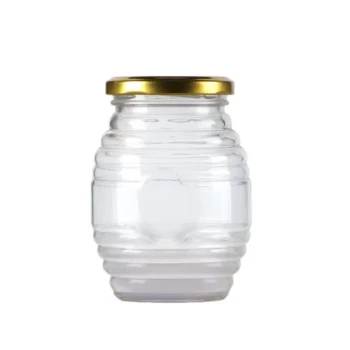
- Classic Glass Honey Jar with Metal Lug Cap for Beehive Storage
- HONESTBEE Professional Hive Top Bee Feeder Feeding Solution
- Langstroth Honey Bee Box Hive Boxes for Different Depths
- HONESTBEE Professional Entrance Bee Feeder Hive Nutrition Solution
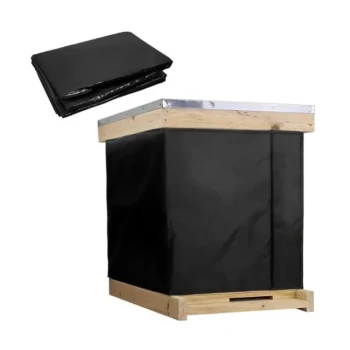
- Professional Insulated Winter Hive Wrap for Beekeeping
People Also Ask
- What are the benefits of glass jars regarding strength and safety for storing honey? Ensure Purity and Long-Term Quality
- What are the advantages of using glass jars for honey storage? Ensure Purity and Premium Appeal for Your Product
- What are the benefits of using high-transparency Glass Jars for honey? Elevate Purity and Premium Branding
- What is the aesthetic appeal of using glass jars for honey? Elevate Your Brand with Premium Packaging
- Which container is best for storing honey? Preserve Purity & Flavor with the Right Choice