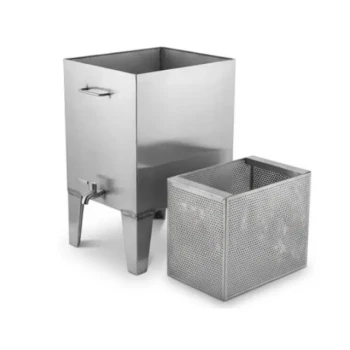
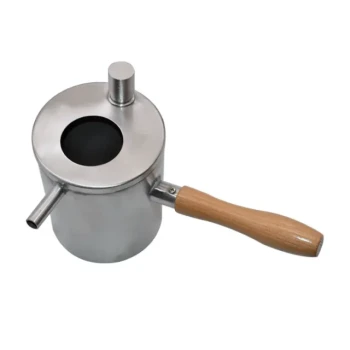
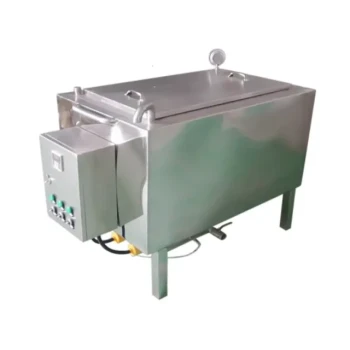
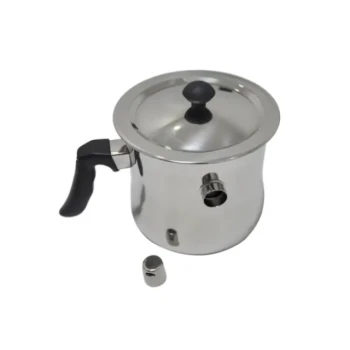
To operate a steam wax melter effectively, you must manage a closed loop of steam generation, thermal transfer, and filtration. First, fill the steam generator halfway with water and heat it until boiling, allowing the steam to travel through a hose into the main chamber. This high-heat vapor melts the honeycomb off the frames, where it passes through a filter mesh and drains out of a tap into your collection vessel.
The core principle of steam wax melting is using high-temperature vapor to separate wax from impurities (slumgum) and frames. This method liquefies the wax rapidly, filtering it into a clean state while simultaneously sterilizing the equipment.
Setting Up the System
Preparing the Steam Generator
Begin by filling the steam generator with water. It is critical to fill it only halfway rather than to the brim.
You must leave sufficient air space inside the vessel for steam to form and expand. Overfilling can prevent proper steam generation or cause boiling water to surge into the hose.
Loading the Wax Melter
Place your wax frames directly inside the internal basket of the wax melter.
Ensure the frames are positioned to allow steam to circulate freely around the comb. Secure the lid tightly to maintain internal pressure and temperature.
The Melting Process
Initiating Heat Transfer
Apply heat to the steam generator using your chosen energy source, such as an electric element or an external fire.
As the water boils, steam will accumulate and travel through the connecting hose into the main melter body. This steam raises the internal temperature, which must exceed 70 degrees Celsius to effectively transition the hard wax into a liquid state.
Filtration and Drainage
The steam melts the honeycomb, separating the liquid wax from solid debris.
The liquefied wax flows downward through a filter mesh, which catches impurities. It then collects on the internal pallet or bottom surface and drains out through the external tap into your waiting container.
Operational Trade-offs and Safety
Water Level Management
The most critical operational risk is allowing the steam generator to run dry.
You must monitor the process closely; if the water evaporates completely, you risk damaging the generator or overheating the element. Unlike solar melters, this process requires active supervision and cannot be left unattended.
Temperature Control vs. Speed
Steam melting is aggressive and fast, making it excellent for processing raw frames and sterilizing wood.
However, because steam operates at high temperatures (100°C/212°F), it lacks the precision of electric pot melters that have "warm" settings. While steam is superior for separation, excessive heat over long periods can potentially degrade certain wax properties if not monitored.
Making the Right Choice for Your Goal
To maximize the efficiency of your wax processing, match your method to your specific objective.
- If your primary focus is processing large batches of raw frames: Use the steam melter described above, as it separates wax from waste and cleans frames simultaneously.
- If your primary focus is refining already-clean wax for candles: Use a temperature-controlled electric pot on a "warm" setting to melt slowly (30-90 minutes) without overheating.
- If your primary focus is zero-cost operation: Use a solar wax melter, though be aware this is weather-dependent and slower than steam.
By maintaining proper water levels and managing the steam flow, you ensure a high yield of clean wax and sterilized equipment.
Summary Table:
| Operation Stage | Key Action | Critical Requirement |
|---|---|---|
| Setup | Fill generator halfway | Leave air space for steam expansion |
| Loading | Position frames in basket | Ensure free steam circulation |
| Melting | Apply heat source | Temperature must exceed 70°C |
| Filtration | Direct flow through mesh | Monitor tap for constant drainage |
| Safety | Water level monitoring | Never let the generator run dry |
Elevate Your Beekeeping Operation with HONESTBEE
Are you looking to scale your beeswax processing or upgrade your apiary's efficiency? HONESTBEE specializes in supporting commercial apiaries and distributors with premium wholesale solutions. We provide a full spectrum of beekeeping tools, from advanced steam wax melters and honey-filling machines to specialized hive-making equipment and essential industry consumables.
Partner with us to access professional-grade machinery and a diverse portfolio of honey-themed merchandise designed to grow your business. Contact us today to discuss your equipment needs and discover how our comprehensive wholesale offerings can benefit your apiary.
Related Products
- Steam Beeswax Melter Wax Warmer for Wax Processing
- Professional Stainless Steel Wax Melter for Beekeeping and Crafts
- Solar Beeswax Melter Easy Solar Wax Melter for Beeswax
- Electric Commercial Beeswax Melter for Factory Use
- Beeswax Melter for Candle Making Honey Bee Wax Melter
People Also Ask
- How does a steam wax melter work? A Fast, Efficient Method for High-Quality Wax
- How does a professional steam wax melter optimize the recovery of beeswax? Maximize Yield & Hygiene for Your Apiary
- What are the steps to use a steam wax melter? Master Safe & Efficient Wax Rendering
- How do steam wax melters function in the disinfection of apiary equipment? Achieve Chemical-Free Organic Sterilization
- What is the best way to melt beeswax? Safely Preserve Quality with Indirect Heat