A professional solar wax melter drives efficiency by harnessing solar thermal energy to melt raw honeycombs without the need for external fuel or electricity. It simultaneously separates beeswax from solid impurities through gravity-fed filtration, delivering a high-purity product suitable for commercial application while minimizing operational costs.
By utilizing the greenhouse effect to achieve moderate, controlled melting temperatures, solar melters preserve the natural color and chemical integrity of beeswax. This passive process transforms waste combs into high-value technical wax with minimal labor and zero energy consumption.
The Mechanism of Solar Thermal Processing
To understand the efficiency of this tool, you must look beyond the simple application of heat. The professional melter is an engineered system designed to maximize the capture and retention of solar radiation.
Harnessing the Greenhouse Effect
The core operational principle is the greenhouse effect. A transparent glass or plastic cover allows short-wave solar radiation to enter the insulated container.
Once inside, this energy is absorbed by the interior surfaces—often painted black to maximize absorption—and re-radiated as long-wave heat energy, which cannot escape the cover.
Reaching Optimal Melting Points
A well-configured unit can reach internal temperatures of 80-90°C (up to 200°F). This is the ideal thermal range for beeswax processing.
It is hot enough to melt the wax efficiently but remains moderate enough to prevent the degradation that occurs with open flames or superheated steam.
Passive Gravity Filtration
As the wax melts, efficiency is gained through physical separation. The unit is typically tilted to utilize gravity.
Liquid wax flows through an internal filter into a collection pan, often containing a small amount of water to aid final separation. Impurities like cocoons (slumgum) and bee debris remain behind, effectively automating the filtration process.
Quality Preservation and Purity
Efficiency in beeswax processing is not just about speed; it is about the value of the final output. Solar melters excel at producing "cappings wax" or exhibition-grade blocks.
Avoiding Thermal Degradation
Standard boiling methods can emulsify wax or darken it due to excessive heat. Solar melters operate via dry melting, often without adding water or mechanical pressure.
This approach preserves the fundamental physical-chemical properties of the wax, ensuring it meets the high-purity standards required for cosmetics or foundation sheets.
Natural Bleaching and Decontamination
The exposure to sunlight during the melting process offers a secondary benefit: UV bleaching.
This results in a lighter, more desirable color for the final wax block. Furthermore, the enclosed environment creates a thermal barrier that eliminates pests, such as wax moths, protecting the raw material during processing.
Understanding the Trade-offs
While solar melters offer superior energy efficiency and product quality, they are not universally the best solution for every scenario.
Weather Dependency
The system is entirely reliant on direct sunlight. Efficiency drops to near zero on cloudy days or during winter months in high latitudes.
Throughput Limitations
Solar melters are batch processors. They cannot match the high-volume speed of industrial steam-heated presses or centrifugal separators.
For operations with massive quantities of old brood comb, a solar melter may serve better as a secondary system for high-quality cappings rather than the primary rendering tool.
Making the Right Choice for Your Goal
To determine if a solar wax melter aligns with your processing needs, evaluate your specific end-goals.
- If your primary focus is Maximum Purity and Value: The solar melter is your best option, as it produces lighter, chemical-free wax ideal for cosmetics and candles.
- If your primary focus is Zero Operational Cost: The passive solar design is superior, eliminating the need for gas, electricity, or constant active labor.
- If your primary focus is High-Volume Speed: You should view the solar melter as a supplementary tool, as it cannot compete with the throughput of active steam rendering systems.
By aligning the processing method with your quality requirements, you turn raw hive byproducts into a sustainable revenue stream.
Summary Table:
| Feature | Benefit | Impact on Efficiency |
|---|---|---|
| Solar Thermal Capture | Zero fuel/electricity required | Minimal operational costs |
| Greenhouse Effect | Controlled 80-90°C temperatures | Prevents thermal degradation |
| Gravity Filtration | Automatic separation of impurities | Reduces manual labor & processing time |
| UV Bleaching | Natural whitening of wax | Increases market value of final product |
| Enclosed Design | Pest elimination (e.g., wax moths) | Protects raw materials during melting |
Elevate Your Beeswax Production with HONESTBEE
Unlock the full potential of your apiary's byproducts with professional-grade processing solutions. HONESTBEE specializes in supporting commercial apiaries and distributors with a comprehensive range of high-performance beekeeping machinery and tools.
Whether you need efficient solar wax melters, automated honey-filling machines, or precision hive-making hardware, we provide the industrial-strength equipment necessary to scale your operations. From essential consumables to specialized technical machinery, our portfolio is designed to enhance your productivity and product value.
Ready to upgrade your wholesale supply chain?
Contact HONESTBEE Today to discuss how our tailored equipment solutions can drive your business growth.
References
- Nana Owusu-Ansah, Nikhil Agarwal. Apiculture and Conservation Opportunities: The Case of Sayinga-Kasena-Gavara-Kara. DOI: 10.5281/zenodo.3951599
This article is also based on technical information from HonestBee Knowledge Base .
Related Products
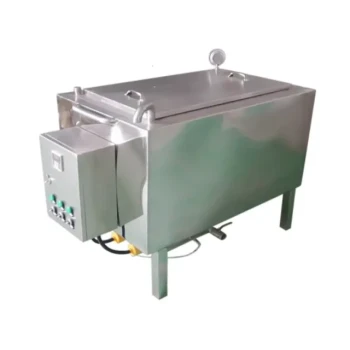
- Solar Beeswax Melter Easy Solar Wax Melter for Beeswax
- Electric Commercial Beeswax Melter for Factory Use
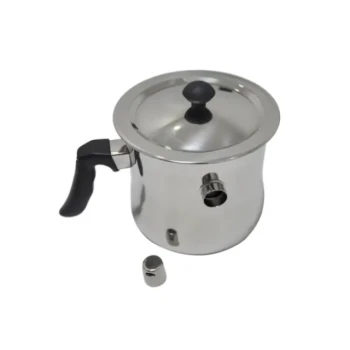
- Beeswax Melter for Candle Making Honey Bee Wax Melter
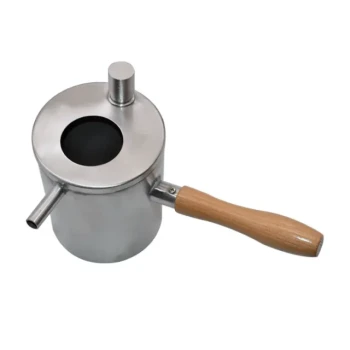
- Professional Stainless Steel Wax Melter for Beekeeping and Crafts
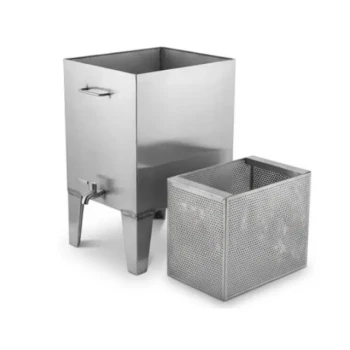
- Steam Beeswax Melter Wax Warmer for Wax Processing
People Also Ask
- How does a solar melter work to process beeswax? The Eco-Friendly Way to Pure Wax
- What is a solar wax melter and how does it work? Harness the Sun for Pure Beeswax
- What are the benefits of using a solar wax melter? Harness the Sun for Pure, Cost-Effective Beeswax
- What is the purpose of a solar wax melter in beekeeping? Sustainable Wax Processing for Modern Apiaries
- How does a solar-powered frame wax melter work? Harness the Sun for Sustainable Beekeeping