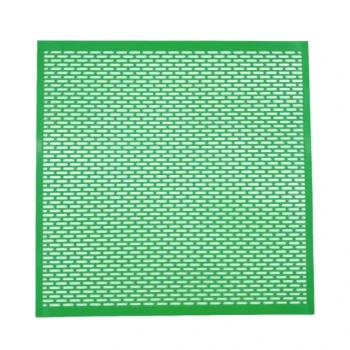
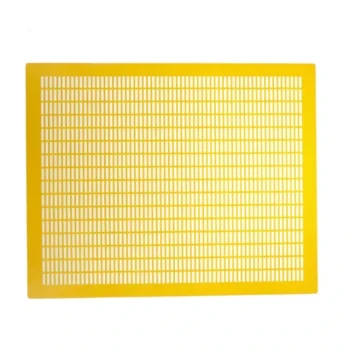
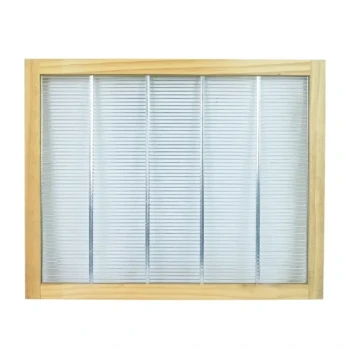
Functioning as a precise size-based filter, a queen excluder effectively halts hornet intrusion when repositioned from the hive interior to the entrance. The device utilizes specific 4.3mm gaps that accommodate the passage of smaller worker bees but act as an impassable mechanical barrier to the significantly larger bodies of predatory hornets.
By shifting the placement of the queen excluder to the hive entrance, you transform it from an internal organization tool into a fortified gate. This simple repurposing leverages basic physical dimensions to neutralize the threat of direct predation without impeding the foraging activity of the colony.
The Mechanics of Defensive Exclusion
To understand how a tool designed for honey purity functions as a shield, one must look at the relationship between physical dimensions and hive architecture.
Exploiting Physical Dimensions
The core mechanism of defense is the 4.3mm gap size.
This dimension is calibrated specifically for the thorax of a worker bee. While workers can navigate these spaces with ease, hornets possess much larger body structures that physically cannot fit through the grid.
Strategic Placement Points
For defensive purposes, the excluder is moved from its traditional position between super boxes to the hive entrance or between the bottom board and the brood chamber.
Installed at this perimeter, it acts as a hard "check-point" before an intruder can gain access to the colony's interior. This stops predators at the gate rather than allowing them to enter and engage bees inside the hive.
Protective Impact on the Colony
The primary goal of this setup is to create a secure internal environment.
Securing Vulnerable Targets
Hornets often intrude to feed on protein-rich resources, specifically the queen and the larvae.
By establishing an impenetrable perimeter, the excluder ensures that these critical members of the colony remain out of reach. This mechanical separation allows the colony to continue brood rearing without the stress or loss associated with direct predation.
Understanding the Trade-offs
While effective as a defense mechanism, it is important to distinguish this application from the tool's standard design purpose.
Repurposing vs. Standard Use
Traditionally, a queen excluder is used internally to restrict the queen to the brood chamber.
In its standard role, the barrier prevents the queen from laying eggs in honey supers, ensuring harvested honey is free of larvae and maintains high marketability. When used as a defensive entrance guard, you are prioritizing colony survival over the internal organization of honey stores.
Impact on Drone Traffic
It is worth noting that a barrier capable of stopping a hornet may also restrict the movement of drones (male bees), which are larger than workers.
When using this method for defense, monitor your hive to ensure that normal colony functions, beyond just worker foraging, are not negatively impacted for extended periods.
Making the Right Choice for Your Goal
The utility of a queen excluder depends entirely on where you install it and what problem you are trying to solve.
- If your primary focus is Colony Defense: Install the excluder at the hive entrance to create a physical firewall that blocks hornets while allowing workers to forage.
- If your primary focus is Honey Purity: Install the excluder between the brood chamber and honey supers to keep the queen away from your harvestable honey frames.
Success in apiculture often comes down to adapting existing tools to meet the immediate environmental threats facing your apiary.
Summary Table:
| Feature | Internal Use (Standard) | Entrance Use (Defensive) |
|---|---|---|
| Primary Goal | Honey purity & egg restriction | Colony defense against predators |
| Installation | Between brood chamber & supers | At the hive entrance/bottom board |
| Barrier Target | The Queen Bee | Hornets and large predators |
| Worker Access | Unrestricted passage | Unrestricted foraging passage |
| Drone Impact | Restricted to brood area | Restricted from leaving/entering |
Secure Your Apiary with Professional-Grade Equipment
Protecting your colony from hornets is just the first step in successful beekeeping. HONESTBEE provides commercial apiaries and distributors with the high-quality tools needed to thrive. From precision-engineered queen excluders and hive-making machinery to honey-filling systems and cultural merchandise, we offer a comprehensive wholesale portfolio designed for durability and efficiency.
Whether you are scaling your operation or supplying the industry, our expert team is ready to support your growth. Contact HONESTBEE today to explore our full spectrum of beekeeping hardware and consumables!
References
- Ana Diéguez‐Antón, M. Carmen Seijo. Management of honey bee (Hymenoptera: Apidae) colonies under yellow-legged hornet (Hymenoptera: Vespidae) pressure. DOI: 10.1093/jipm/pmae033
This article is also based on technical information from HonestBee Knowledge Base .
Related Products
- High Performance Plastic Queen Excluder for Beekeeping and Apiary Management
- Professional Plastic Queen Excluder for Modern Beekeeping
- Lightweight Durable Plastic Queen Excluder Scraper for Beekeeping
- Metal Queen Bee Excluder for Beekeeping
- Premium Wood Framed Metal Wire Queen Bee Excluder
People Also Ask
- What are the characteristics of a plastic queen excluder? Key Benefits for Cost-Effective Beekeeping
- What are the operational and cost advantages of using plastic queen excluders over metal or wire excluders in commercial hive management? Discover how they reduce labor, prevent wing damage, and lower total costs.
- What types of queen excluders are available for beekeepers? Choose the Right Tool for Your Hive
- Why are standardized hive frames and queen excluders essential for maintaining honey purity and quality? Scale Your Purity
- Do plastic queen excluders work? A Cost-Effective Solution for Modern Apiaries