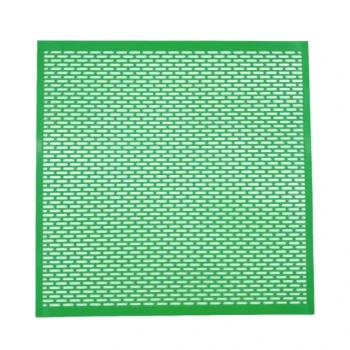
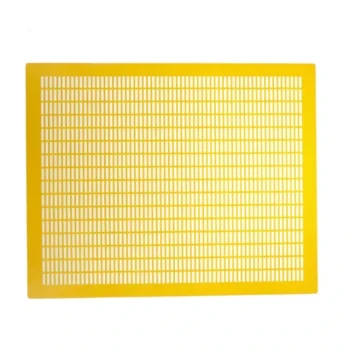
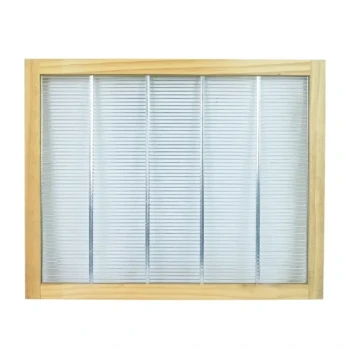
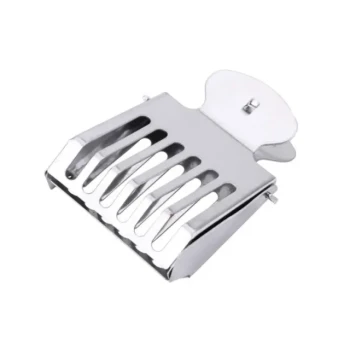
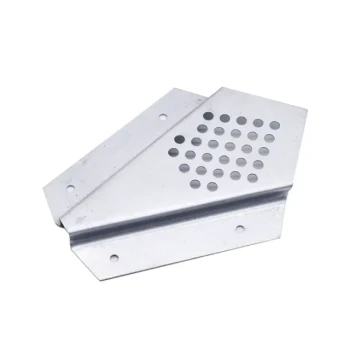
A queen excluder acts as a precise mechanical filter, leveraging the physical size difference between worker bees and the queen to control movement within the hive. It is a grid placed directly between the brood chamber and the honey super, featuring gaps wide enough for workers to pass through but too narrow for the larger queen. This physical barrier effectively confines the queen to the lower brood nest, preventing her from laying eggs in the upper boxes designated for honey harvest.
Core Takeaway By strictly isolating the queen in the brood chamber, an excluder guarantees that honey supers are used exclusively for food storage. This prevents biological contamination from eggs or larvae, ensuring the final harvest meets the highest standards of purity and visual clarity.
The Mechanics of Exclusion
Exploiting Physical Dimorphism
The excluder functions on a simple biological principle: the queen bee is significantly larger than the worker bees. The device is manufactured with a grid of specific dimensions designed to fit this variance.
Establishing Hive Zones
When installed, the excluder creates a hard boundary between the colony's reproductive center and its storage pantry. The lower section (brood chamber) remains the domain for egg-laying and larval development.
Selective Permeability
Worker bees, which maintain the hive and store nectar, move freely through the grid to access the upper supers. The queen, however, physically cannot squeeze through the gaps, locking her into the lower zone.
Impact on Honey Quality
Eliminating Biological Contamination
The primary contributor to high-quality honey production is the total absence of brood in the harvest frames. Without an excluder, a queen may move upward and lay eggs in the honey supers.
Ensuring Purity for Extraction
If larvae are present in honey frames during extraction, fluid from the brood can mix with the honey. The excluder prevents this, ensuring that the extracted product is pure nectar and pollen, free from protein contamination or larval waste.
Improving Visual Appeal
For comb honey production, aesthetics are paramount. An excluder ensures the wax remains white and pristine, as combs used for brood rearing eventually darken and accumulate cocoons.
Understanding the Trade-offs
The "Honey Barrier" Effect
While effective for purity, the excluder acts as a physical hindrance to the colony. Some colonies may be reluctant to pass through the grid to store nectar, effectively treating the device as a ceiling rather than a door.
Potential for Congestion
Restricting the queen's movement can sometimes lead to overcrowding in the brood nest. If the colony feels confined, it may trigger swarming behavior earlier than a colony allowed to expand freely.
Genetic Variances
The success of an excluder often depends on the specific behavior of the bee strain. Wild-caught types or highly prolific layers may require the restriction to force honey storage, while other breeds may naturally separate brood and honey without intervention.
Making the Right Choice for Your Goal
Whether or not to use an excluder depends on your specific production targets and management style.
- If your primary focus is commercial purity or comb honey: Use an excluder to guarantee larval-free frames and meet strict visual and sanitary market standards.
- If your primary focus is maximum population growth: Consider operating without one to allow the queen unrestricted laying room, though you must accept the risk of brood in your honey supers.
Ultimately, the queen excluder is a tool for control, allowing the beekeeper to dictate exactly where the colony directs its resources and stores its surplus.
Summary Table:
| Feature | Function & Purpose | Impact on Honey Quality |
|---|---|---|
| Physical Dimorphism | Exploits the size difference between workers and queens | Prevents the queen from entering honey supers |
| Zone Separation | Creates a hard boundary between brood and storage | Eliminates eggs and larvae in harvestable frames |
| Selective Permeability | Allows worker passage while restricting the queen | Maintains clear, uncontaminated nectar storage |
| Aesthetic Control | Prevents brood rearing in honey combs | Ensures pristine, white wax for premium comb honey |
Elevate Your Honey Production with HONESTBEE
To achieve the highest standards of honey purity and visual clarity, precision is key. HONESTBEE provides commercial apiaries and distributors with professional-grade queen excluders and a full spectrum of beekeeping machinery—from hive-making to honey-filling equipment.
Whether you are scaling your operations or sourcing essential consumables, our comprehensive wholesale offerings are designed to maximize your efficiency and product quality. Partner with us to bring superior beekeeping solutions to your market.
Contact HONESTBEE Today to Discuss Your Wholesale Needs
References
- Godifey Guesh, Tesfay Yayneshet. Beekeeping management practices and gap analysis of beekeepers at different agro-ecological zones of Tigray region, Northern Ethiopia. DOI: 10.5897/jaerd2018.0978
This article is also based on technical information from HonestBee Knowledge Base .
Related Products
- High Performance Plastic Queen Excluder for Beekeeping and Apiary Management
- Professional Plastic Queen Excluder for Modern Beekeeping
- Lightweight Durable Plastic Queen Excluder Scraper for Beekeeping
- Metal Queen Bee Excluder for Beekeeping
- Premium Wood Framed Metal Wire Queen Bee Excluder
People Also Ask
- What are the characteristics of a plastic queen excluder? Key Benefits for Cost-Effective Beekeeping
- What are the operational and cost advantages of using plastic queen excluders over metal or wire excluders in commercial hive management? Discover how they reduce labor, prevent wing damage, and lower total costs.
- What types of queen excluders are available for beekeepers? Choose the Right Tool for Your Hive
- Why are standardized hive frames and queen excluders essential for maintaining honey purity and quality? Scale Your Purity
- Do plastic queen excluders work? A Cost-Effective Solution for Modern Apiaries