A scheduled and quantified feeding approach functions as a critical life-support system for honey bee colonies. By delivering precise, regular pulses of artificial diet, this method provides a continuous external energy source that directly compensates for the lack of natural foraging options. It serves as a technical safeguard, preventing colony collapse and brood termination by ensuring food stores are never fully exhausted during simulated overwintering or dry seasons.
By standardizing the frequency and quantity of nutritional inputs, you effectively decouple colony survival from negative environmental fluctuations. This creates a stable physiological baseline that allows the colony to maintain population levels despite external scarcity.
Establishing a Continuous Energy Baseline
Offsetting Foraging Inefficiency
During dry seasons or simulated overwintering, natural foraging efficiency declines sharply due to environmental stress. A scheduled feeding approach acts as a counterbalance to these negative factors. It replaces the unpredictable nature of wild foraging with a guaranteed, stable energy flow.
Preventing Resource Exhaustion
The primary risk during these periods is not merely low resources, but the total exhaustion of food stores. Once stores are depleted, colonies face immediate collapse or must terminate brood rearing to survive. Continuous delivery pulses ensure the colony never reaches this critical failure point.
The Role of Specialized Infrastructure
Ensuring Controlled Dosage
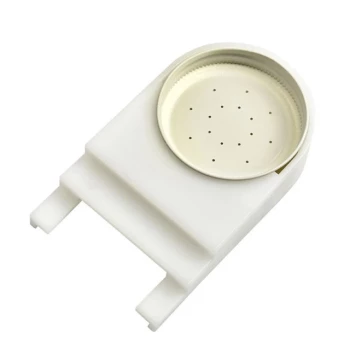
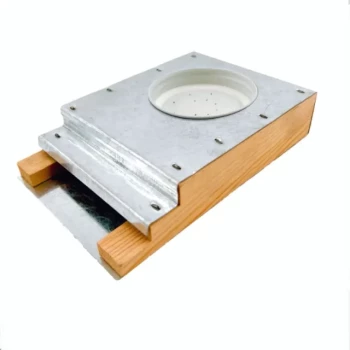
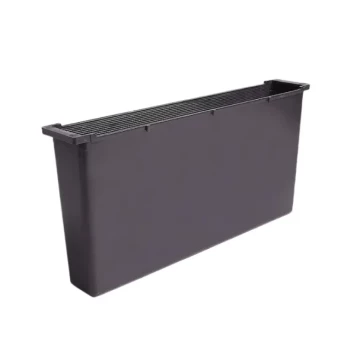
To implement a quantified approach effectively, specialized feeding containers are essential. These devices allow apiarists to administer exact dosages of feed. This precision prevents overfeeding—which can lead to waste—while ensuring the colony receives enough energy to maintain metabolic functions.
Maintaining Feed Hygiene
High humidity and rainy seasons pose a significant threat to artificial diets, particularly protein supplements. Specialized containers protect the feed from moisture ingress and subsequent spoilage. By maintaining the integrity and hygiene of the feed, you ensure that the energy provided is actually available for consumption rather than becoming a source of contamination.
Understanding the Operational Trade-offs
High Management Overhead
Unlike bulk feeding, a scheduled approach requires consistent human intervention or automated systems to deliver "regular pulses." This increases the labor or technological burden on the apiary manager. The system relies entirely on the reliability of the schedule; missing a scheduled pulse can shock a colony dependent on that input.
Equipment Complexity
Quantified feeding often necessitates specific hardware designed to protect feed and measure doses. This adds a layer of complexity regarding equipment maintenance and cleaning. Poorly maintained containers can negate the benefits of the system by introducing pathogens.
Making the Right Choice for Your Apiary
To apply this technical approach effectively, consider your specific environmental constraints and colony goals:
- If your primary focus is preventing winter collapse: Adhere strictly to a regular delivery schedule to prevent the colony from sensing a resource gap and terminating brood rearing.
- If your primary focus is efficiency in humid or rainy climates: Invest in specialized feeding containers to prevent spoilage and ensure the quantified dose remains hygienically viable.
By quantifying and scheduling your inputs, you transform feeding from a reactive emergency measure into a proactive management strategy.
Summary Table:
| Feature | Scheduled & Quantified Feeding | Traditional Bulk Feeding |
|---|---|---|
| Resource Stability | Continuous energy pulses; no exhaustion | Prone to rapid depletion or spoilage |
| Brood Rearing | Maintained through external scarcity | Often terminated due to resource gaps |
| Precision Control | Exact dosages via specialized equipment | High risk of overfeeding and waste |
| Hygiene Level | High; protected from moisture/molds | Low; exposed to environmental humidity |
| Management Intensity | High; requires consistent intervention | Low; periodic bulk applications |
Maximize Your Colony Success with HONESTBEE
At HONESTBEE, we understand that commercial success in beekeeping depends on precision and reliability. We provide a comprehensive wholesale range of professional-grade beekeeping tools and machinery designed to support technical feeding strategies.
Whether you are a commercial apiary looking for specialized feeding containers to prevent spoilage or a distributor seeking high-quality honey-filling machines and hive-making hardware, we offer the end-to-end equipment solutions you need to thrive. Let us help you transform your management from reactive to proactive.
Contact HONESTBEE Today to Secure Your Wholesale Supplies
References
- Juliana Pereira Lisboa Mohallem Paiva, M. M. Morais. On the Effects of Artificial Feeding on Bee Colony Dynamics: A Mathematical Model. DOI: 10.1371/journal.pone.0167054
This article is also based on technical information from HonestBee Knowledge Base .
Related Products
- HONESTBEE Entrance Bee Feeder Efficient Hive Front Liquid Feeding Solution for Beekeeping
- Rapid Bee Feeder White Plastic 2L Round Top Feeder for 8 or 10-Frame Bee Hives
- Classic Boardman Entrance Bee Feeder Hive Front Feeding Solution
- HONESTBEE Professional Hive Top Bee Feeder Feeding Solution
- HONESTBEE Entrance Bee Feeder Professional Hive Nutrition Solution for Beekeeping
People Also Ask
- What types of bee feeders are available for beginners? Start with the Simple Entrance Feeder
- What are the advantages and disadvantages of using an entrance feeder for bees? Balance Convenience and Hive Security.
- What is a bee entrance feeder and what are its drawbacks? Essential Guide to Hive Security and Feeding Efficiency
- How does a bee entrance feeder work? A Simple Guide to Convenient Hive Feeding
- How to make an entrance feeder for bees? A DIY Guide for Safe & Effective Feeding