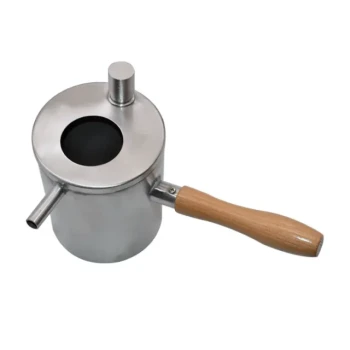
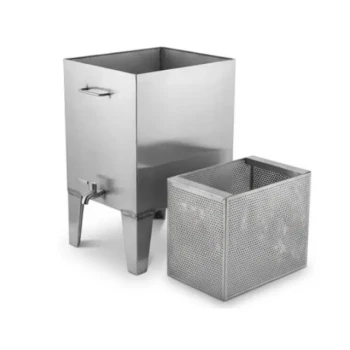
The fundamental operation of a solar wax melter relies on the passive capture of solar energy to create a controlled heating environment. It functions essentially as a miniature greenhouse: a distinct box structure topped with a transparent glass or double-webbed plate traps sunlight, raising the internal temperature enough to liquefy beeswax while incurring absolutely no operational costs.
By harnessing the greenhouse effect, a solar wax melter separates pure wax from honeycomb debris using gravity and heat alone. This method purifies the material and sterilizes hive frames without requiring chemical additives or external fuel sources.
The Physics of Solar Melting
The Greenhouse Effect
The core mechanism is the conversion of light energy into heat energy. Sunlight passes through the transparent cover (glazing) and strikes the interior surfaces.
The glazing traps the resulting thermal radiation, preventing it from escaping. This process creates an internal environment that reaches temperatures between 70°C and 90°C, exceeding the natural melting point of beeswax.
Gravity-Fed Purification
Once the wax reaches its melting point, gravity takes over the filtration process. The internal tray holds the honeycombs or wax cappings at a specific angle or incline.
As the wax liquefies, it flows downward, leaving behind coarser impurities (slumgum) and cocoons on the mesh or frame. The clean, molten liquid drips through a filter grid and settles into a collection pallet or bucket below.
Enhancing Operational Efficiency
Reflective Amplification
To maximize the capture of solar radiation, the efficiency of the unit can be significantly boosted by internal modifications.
Fixing mirror sheets or reflectors to the inner walls of the box concentrates the sun's rays onto the frame. This ensures higher temperatures are reached faster, even when solar intensity is slightly lower.
Auxiliary Heating Options
While the primary reference emphasizes zero operational costs, practical applications sometimes require consistency regardless of weather.
Some advanced units incorporate an auxiliary electric heating element. This creates a hybrid system that maintains processing capabilities during overcast days or cooler seasons.
Understanding the Trade-offs
Weather Dependence
The primary limitation of a standard solar melter is its reliance on direct sunlight. Efficiency drops mainly on cloudy days or during winter months when the sun angle is low.
Processing Speed
Solar melting is a passive, slow-release process. Unlike active steam or water bath melters, it cannot process massive volumes of wax rapidly; it is better suited for a steady, "load and leave" workflow.
Wax Retention in Slumgum
Because the system relies on gravity rather than pressure, some residual wax will inevitably remain trapped in the waste debris (slumgum) left on the tray.
Making the Right Choice for Your Goal
To determine if a solar wax melter fits your apiary management style, consider your specific constraints:
- If your primary focus is zero operating cost: Rely on a standard, well-insulated box design with high-quality glazing to maximize the passive greenhouse effect.
- If your primary focus is purity and sterilization: Utilize the solar melter for your brood frames, as the high temperatures (up to 90°C) effectively sterilize equipment while recovering wax.
- If your primary focus is consistent throughput: Opt for a unit modified with internal reflectors or an auxiliary heating element to mitigate weather downtime.
Ultimately, the solar wax melter offers the most environmentally friendly and labor-efficient method for producing high-quality, block-ready beeswax.
Summary Table:
| Feature | Description | Key Benefit |
|---|---|---|
| Mechanism | Greenhouse effect glazing | Passive heat generation (70°C - 90°C) |
| Power Source | Solar radiation | Zero operational & energy costs |
| Filtration | Gravity-fed incline & mesh | Separates pure wax from impurities (slumgum) |
| Efficiency Boost | Reflectors/Mirror sheets | Faster melting & higher internal heat |
| Sanitation | High-heat sterilization | Cleans frames without chemical additives |
Maximize Your Apiary’s Yield with HONESTBEE
At HONESTBEE, we empower commercial apiaries and global distributors with the industry's most reliable beekeeping solutions. Whether you are looking to integrate cost-effective solar wax melters, high-capacity honey-filling machines, or specialized hive-making equipment, our comprehensive wholesale portfolio has you covered.
We provide everything from heavy-duty machinery to essential consumables and honey-themed cultural merchandise designed to scale your business. Ready to optimize your production and reduce overhead?
Contact HONESTBEE today for a custom quote and let us supply the tools you need to succeed!
Related Products
- Solar Beeswax Melter Easy Solar Wax Melter for Beeswax
- Electric Commercial Beeswax Melter for Factory Use
- Beeswax Melter for Candle Making Honey Bee Wax Melter
- Professional Stainless Steel Wax Melter for Beekeeping and Crafts
- Steam Beeswax Melter Wax Warmer for Wax Processing
People Also Ask
- How does a solar melter work to process beeswax? The Eco-Friendly Way to Pure Wax
- What is a solar wax melter and how does it work? Harness the Sun for Pure Beeswax
- What are the benefits of using a solar wax melter? Harness the Sun for Pure, Cost-Effective Beeswax
- What is the purpose of a solar wax melter in beekeeping? Sustainable Wax Processing for Modern Apiaries
- How does a solar-powered frame wax melter work? Harness the Sun for Sustainable Beekeeping