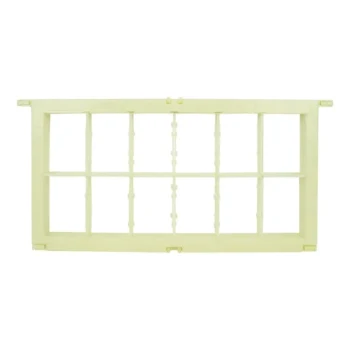
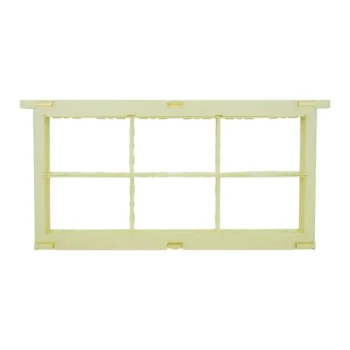
A standardized 5x5 cm calibrated measuring frame is a precision instrument designed to transform visual brood patterns into quantifiable data. By overlaying this grid on a comb, technicians can convert irregular areas of capped brood into specific cell counts, where each grid unit represents approximately 100 worker bee cells. This method removes the subjectivity of visual estimation, providing the accuracy required to rigorously evaluate colony strength and the effectiveness of nutritional programs.
Core Takeaway While visual inspections offer a general impression of hive health, a calibrated measuring frame turns observation into hard science. By standardizing the quantification of capped brood, this tool allows for objective, repeatable comparisons of feeding strategies and accurate tracking of population dynamics over time.
The Mechanics of Measurement
Converting Area to Cell Counts
The primary function of the 5x5 cm frame is to translate abstract surface area into concrete numbers. Because brood patterns are rarely perfect squares, the grid helps technicians break down irregular shapes into manageable units.
Standardization is key to this process. By establishing that one grid unit equals roughly 100 worker cells, the frame allows for rapid, consistent calculation of the total brood population without counting every single cell individually.
Eliminating Human Bias
Visual estimation of colony strength is prone to significant error and inconsistency between inspectors. A "strong" colony to one beekeeper might look "average" to another.
The calibrated frame replaces these subjective guesses with physical measurement. This ensures that data regarding reproduction rates is objective and repeatable, regardless of who is performing the inspection.
Applications in Colony Management
Evaluating Nutritional Impact
The precision of the measuring frame is essential when testing the efficacy of different feeding programs. When colonies are given protein supplements, subtle differences in brood rearing capacity can be missed by the naked eye.
By using the grid to track exact cell counts, researchers can accurately compare breeding capacity across different test groups to determine which supplements actually drive growth.
Tracking Population Dynamics
For advanced management, such as in greenhouse environments, understanding the rate of growth is critical. The tool supports the monitoring of honeybee population growth dynamics.
Conducting these measurements on a regular schedule—such as every 12 days—allows managers to see trends in real-time. This data enables timely adjustments to feeding rations to support the colony's expanding or contracting needs.
Identifying Risk Factors
Beyond population growth, precise measurement aids in pest management. The frame improves the precision of identifying potential breeding environments for parasitic mites. By quantifying the exact area of capped brood, beekeepers can better assess the scale of resources available to parasites.
Understanding the Trade-offs
The Requirement for Rigor
While the tool offers superior accuracy, it demands a strict adherence to protocol. For the data to be valuable for tracking dynamics, measurements must be taken at regular intervals (e.g., the 12-day cycle mentioned previously).
Specificity vs. Speed
Using a calibrated frame is more time-consuming than a simple visual check. It trades speed for precision. Furthermore, the tool relies on the assumption of standard cell sizes (the 100-cell approximation); statistical accuracy relies on the user correctly aligning the grid over the comb surface.
Making the Right Choice for Your Goal
- If your primary focus is nutritional research: Use the frame to detect small but statistically significant differences in breeding capacity caused by protein supplements.
- If your primary focus is greenhouse management: Implement a 12-day measurement cycle to adjust feeding rations based on precise population dynamics.
- If your primary focus is general inspection: Utilize the frame to verify visual estimates periodically, ensuring your subjective "eyeball" assessments remain grounded in reality.
By converting biological activity into standardized metrics, you move from guessing the state of your hives to truly understanding them.
Summary Table:
| Feature | Description | Benefit |
|---|---|---|
| Grid Dimension | 5x5 cm calibrated square | Provides a standardized unit for area measurement. |
| Conversion Rate | 1 unit ≈ 100 worker cells | Enables rapid, accurate population estimation. |
| Measurement Cycle | Recommended every 12 days | Ideal for tracking real-time population dynamics. |
| Primary Metric | Capped brood cell count | Objective data for nutritional & growth analysis. |
| Application | Research & Commercial management | Ensures repeatable results across multiple hives. |
Elevate Your Beekeeping Standards with HONESTBEE
Precision tools like the 5x5 cm measuring frame are essential for modern commercial apiaries. HONESTBEE specializes in supporting commercial beekeepers and distributors with a full spectrum of high-quality equipment—from hive-making and honey-filling machinery to precision testing tools and industry consumables.
Whether you are looking to optimize colony performance through better data or scale your operations with industrial-grade machinery, we provide the wholesale expertise you need.
Contact HONESTBEE today to discuss your bulk equipment needs and see how our comprehensive portfolio can grow your business.
References
- Tsvetan Tsvetanov, Ralitsa Balkanska. How does invert sugar syrup affect sealed worker brood and colony strength in Roger-Delon hives?. DOI: 10.61308/cjms7188
This article is also based on technical information from HonestBee Knowledge Base .
Related Products
- Assembled Wooden Bee Frames with Plastic Foundation for Durability and Convenience by HONESTBEE
- HONESTBEE Bee Frame Grooving Machine | Precision Slotting for Bee Frame Making
- Assembled Wooden Bee Frames with Beeswax Foundation Ready to Use by HONESTBEE
- HONESTBEE Durable Frame Wiring Board with Integrated Tensioner
- HONESTBEE Wired and Assembled Wooden Bee Frames Foundation for a Thriving Hive
People Also Ask
- When should frames with new foundation be given to colonies? Master Timing for a Thriving Hive
- What are bee frames and how are they sized? A Professional Guide to Standardization & Material Choice
- Do you have to wire bee frames? Essential Guide to Frame Strength & Honey Harvesting
- What types of bee frames can be cleaned and returned to service? A Guide to Safe Apiary Refurbishment
- Can beekeepers switch between wooden and plastic frames? Optimize Your Hive's Performance