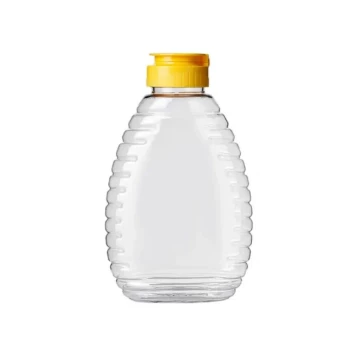
A robust, airtight seal is the primary defense against the environmental factors that degrade honey. While honey is naturally resistant to spoilage due to its specific chemical composition, a well-sealed jar extends its shelf life by strictly preventing the intrusion of external air and ambient moisture.
Honey's natural longevity is dependent on maintaining a stable internal environment. An airtight seal acts as the critical barrier against humidity, ensuring the honey's low moisture content—and therefore its safety from fermentation—remains uncompromised.
The Mechanics of Preservation
Protecting Low Moisture Content
Honey contains very low levels of water, which is a key reason bacteria struggle to survive in it. However, honey is also hygroscopic, meaning it naturally attracts and absorbs moisture from the surrounding atmosphere.
If a jar is not well-sealed, humidity will seep in over time.
This added moisture dilutes the honey, eventually creating an environment where yeast can thrive and cause fermentation (spoilage).
Preventing Environmental Exposure
A proper seal isolates the honey from the outside air.
Continuous exposure to oxygen can degrade the quality of the honey, affecting its flavor profile and aroma.
Furthermore, an airtight barrier prevents the absorption of strong external odors, which honey can easily pick up if left exposed.
Leveraging Natural Defenses
Honey possesses natural preservatives that inhibit bacterial growth.
However, these natural defenses are most effective when the physical state of the honey is maintained.
The seal ensures that the conditions allowing these natural preservatives to work—specifically the lack of water—are not altered by the environment.
Understanding the Trade-offs
The Seal vs. Temperature
While a seal protects against air and moisture, it cannot protect against heat.
Storing a well-sealed jar in a hot environment will still degrade the honey’s enzymes and darken its color, regardless of how tight the lid is.
Material Integrity
A seal is only as good as the container it rests on.
While glass is an excellent material for barriers (as noted in industry standards), a damaged rim or a poor-quality lid liner can render the seal ineffective.
Plastic containers may eventually allow some gas permeability over extremely long periods compared to glass, potentially undermining the seal's work.
Making the Right Choice for Your Storage
To maximize the shelf life of your honey, focus on maintaining the integrity of the barrier.
- If your primary focus is long-term preservation: Ensure the lid creates a vacuum-tight closure and check that the liner inside the cap is free from damage or debris.
- If your primary focus is daily consumption: Wipe the rim of the jar clean after every use to ensure sticky residue does not create gaps that break the airtight seal.
A perfect seal is the simplest, most effective tool for honoring the natural stability of honey.
Summary Table:
| Preservation Factor | Role of the Seal | Impact on Honey Quality |
|---|---|---|
| Hygroscopic Control | Blocks ambient humidity | Prevents dilution and fermentation |
| Oxygen Isolation | Limits air exposure | Maintains flavor profile and aroma |
| Odor Barrier | Shields from external scents | Ensures purity of the honey's taste |
| Enzyme Protection | Maintains stable environment | Supports honey's natural antibacterial defenses |
| Physical Integrity | Vacuum-tight closure | Stops sticky residue from breaking the barrier |
Maximize Your Product Value with HONESTBEE
At HONESTBEE, we understand that premium honey deserves premium storage. As a dedicated partner to commercial apiaries and distributors, we provide more than just knowledge—we supply the high-performance honey-filling machines, specialized hardware, and beekeeping tools necessary to ensure every jar achieves a perfect, airtight seal.
Whether you are scaling your wholesale operations or looking for industry-leading consumables and cultural merchandise, our comprehensive portfolio is designed to enhance your efficiency and product shelf life.
Ready to elevate your honey production? Contact us today to discover how our tailored equipment solutions can grow your business.
Related Products
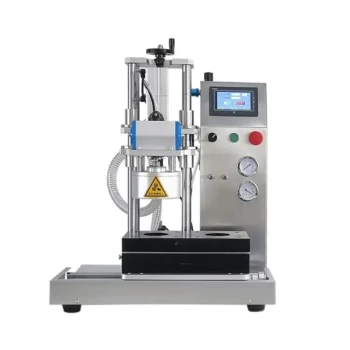
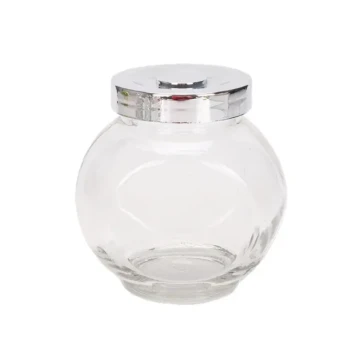
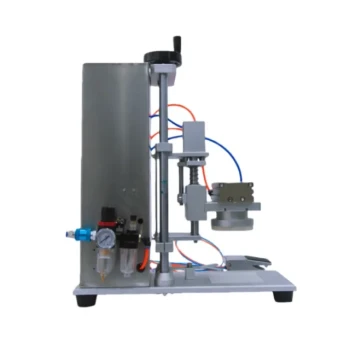
- Semi-Automatic Vacuum Capping Machine with Pneumatic Control for Glass Jars
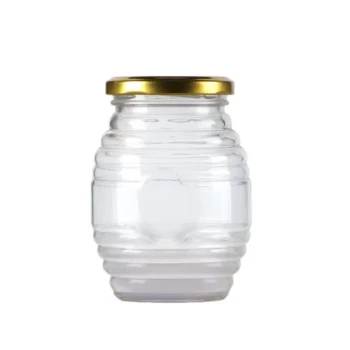
- Classic Glass Honey Jar with Metal Lug Cap for Beehive Storage
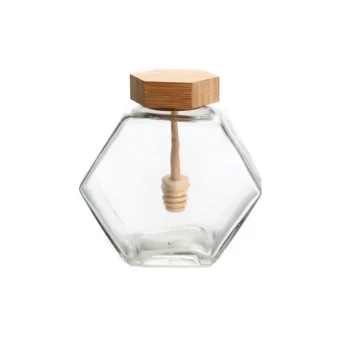
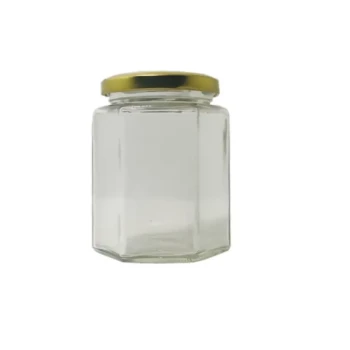
- Hexagonal Glass Honey Jar with Wooden Lid Integrated Dipper Elegant Functional Storage
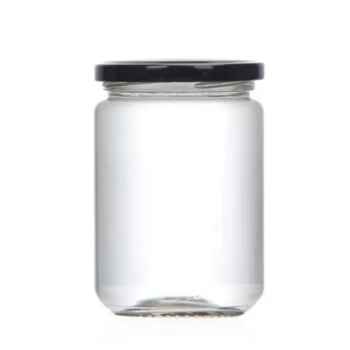
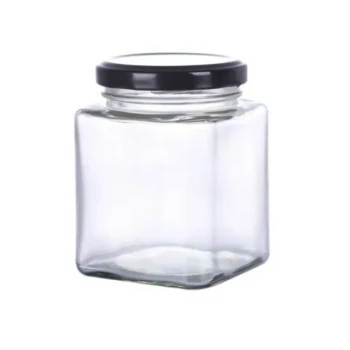
- Classic Round Glass Honey Jar with Lid
- Classic Drum Shaped Glass Honey Jar with Airtight Lid
People Also Ask
- What is the function of a capping machine in honey packaging? Secure Your Product Quality and Shelf Life
- Which machine is used for sealing of bottles? Choose the Right Capper for Your Production Line
- What are the different types of capping machines available? Choose the Right One for Your Production Scale
- What types of caps can capping machines handle? Find the Right Solution for Your Bottling Line
- How does a bottle capping machine work? Unlock Efficient, Consistent Sealing for Your Production Line