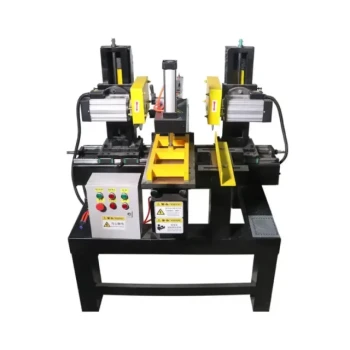
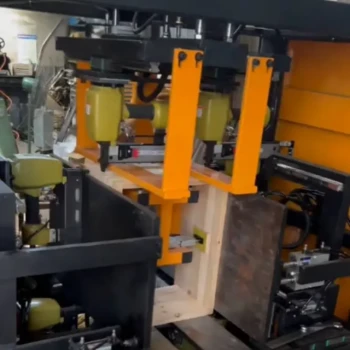
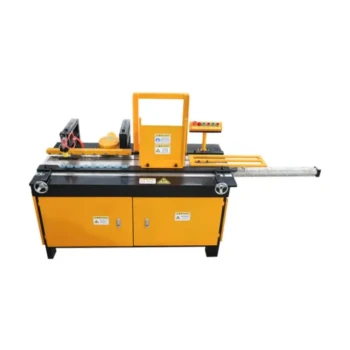
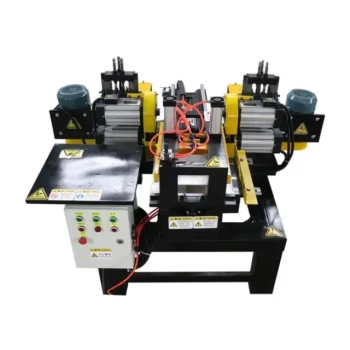
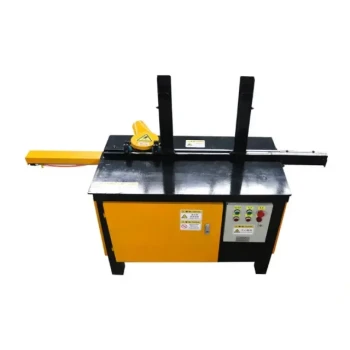
High-precision hive-making machinery plays a fundamental role in modern apiary biosecurity by eliminating structural variables that compromise colony health. By ensuring geometric accuracy and structural consistency, this technology creates a standardized habitat that physically excludes pests like the Greater wax moth and stabilizes the internal microenvironment, thereby boosting the colony's natural defensive efficiency.
Core Takeaway Precision manufacturing transforms the beehive from a simple container into a calibrated biological instrument. By eliminating structural flaws and standardizing components, these machines provide the necessary hardware foundation for effective pathogen monitoring and reduced colony stress.
The Role of Geometric Accuracy in Biosecurity
Eliminating Physical Entry Points
The primary contribution of high-precision machinery is the creation of a tight, hermetic fit between hive components. Manual construction often results in minute gaps or warping.
These structural inconsistencies serve as entryways for physical intruders. The Greater wax moth, a significant pest in apiaries, exploits these gaps to bypass the colony's guard bees.
Precision machinery ensures that joints and seals are exact. This forces pests to enter through the main entrance, where the colony’s defensive forces are concentrated, significantly improving defensive efficiency.
Reducing Environmental Stress
A well-constructed physical structure is essential for maintaining a stable internal microenvironment. Bees expend significant energy regulating temperature and humidity.
Hives with poor structural integrity suffer from drafts and thermal leaks. This forces the colony to divert energy from foraging and hygiene behaviors to thermoregulation.
By providing a consistent, draft-free environment, precision-built hives reduce environmental stress. Lower stress levels correlate directly with stronger immune systems and lower mortality rates.
Standardization as a Disease Control Protocol
Facilitating Rapid Component Exchange
Industrial-grade machinery ensures the interchangeability of all hive parts. In a disease outbreak, time is critical.
If a specific box or frame is contaminated, beekeepers using standardized equipment can swap it out immediately with a clean replacement. There is no struggle with ill-fitting parts.
This capability transforms hygiene management. It allows for rapid "hot-swapping" of components for sterilization without disrupting the colony's architecture or leaving it exposed.
Enabling Mechanized Inspections
Precise hive construction acts as the hardware foundation for modern pathogen monitoring.
Standardized dimensions allow for the use of automated inspection tools and scrapers. These tools can clean and monitor hives more frequently and thoroughly than manual labor allows.
This mechanization improves hygiene standards and allows for the consistent implementation of disease control protocols across thousands of colonies, which is impossible with irregular, hand-built equipment.
Understanding the Trade-offs
High Initial Capital Expenditure
Transitioning to high-precision machinery requires significant upfront investment. While it reduces long-term labor and colony loss, the cost of industrial woodworking equipment or purchasing pre-made precision hives is higher than traditional manual construction.
Risk of "One Size Fits All"
Strict standardization can reduce flexibility. Beekeepers in unique microclimates may find that mass-produced, precision-milled hives do not account for specific local insulation needs or ventilation requirements, potentially requiring post-manufacturing modification.
Making the Right Choice for Your Goal
To leverage precision engineering for better colony health, align your equipment choice with your operational scale.
- If your primary focus is Commercial Scalability: Invest in hives from industrial-grade machinery to ensure total interchangeability and compatibility with mechanized cleaning lines.
- If your primary focus is Colony Survival Rates: prioritize hives with machine-cut finger joints or dovetails to ensure a hermetic seal against wax moths and drafts.
- If your primary focus is Disease Monitoring: Ensure your hives are dimensionally standardized to facilitate rapid component rotation and sterilization cycles.
Precision in construction is the first line of defense; a well-built hive allows the bees to focus on survival rather than repair.
Summary Table:
| Feature | Impact on Pest/Disease Control | Primary Benefit |
|---|---|---|
| Geometric Accuracy | Eliminates gaps and structural entry points | Blocks wax moths and pests from bypassing guards |
| Hermetic Sealing | Maintains stable internal microenvironment | Reduces thermoregulation stress, boosting immunity |
| Interchangeability | Enables rapid swapping of contaminated parts | Facilitates immediate sterilization and hygiene protocols |
| Dimensional Consistency | Hardware foundation for automated monitoring | Allows for mechanized inspections and efficient cleaning |
Maximize Your Apiary Efficiency with HONESTBEE Precision Equipment
At HONESTBEE, we understand that high-precision hardware is the foundation of a healthy, productive apiary. We provide commercial apiaries and distributors with the industry's most reliable hive-making machinery, honey-filling equipment, and professional-grade beekeeping tools.
Our solutions are designed to eliminate structural variables, reduce colony stress, and streamline your disease management protocols. Whether you are looking to scale your operations with industrial machinery or source high-quality consumables and honey-themed merchandise, we offer a comprehensive wholesale portfolio tailored to your needs.
Ready to upgrade your apiary’s biosecurity? Contact HONESTBEE today to explore how our precision engineering can protect your colonies and grow your business.
References
- Melanie Parejo, Maria Bouga. Special issue on pests and pathogens in Apiculture: Navigating Old Challenges and Unveiling New Threats. DOI: 10.1080/00218839.2024.2318134
This article is also based on technical information from HonestBee Knowledge Base .
Related Products
- High-Efficiency Pneumatic Bee Hive Making Machine for Rapid Box Assembly
- Beehive Machine Double End Saw for Precision Hive Component Manufacturing
- Automatic High-Speed Bee Hive Box Stapling Machine
- HONESTBEE Professional Long Handled Hive Tool with Precision Cutting Blade
- Beehive Handle and Frame Rest Cutting Machine: Your Specialized Hive Machine
People Also Ask
- How does the introduction of professional beehive-making machinery benefit sustainable beekeeping? Scale Your Apiary
- Why is specialized beehive-making machinery critical for low-defense breeding? Enhance Selection with Precision Tools
- How does the introduction of specialized beehive making machinery contribute to increasing the scale of regional beekeeping industries?
- What is the importance of specialized beehive making machinery in a circular bio-economy? Build Local Sustainability
- Why is specialized beehive-making machinery essential? Scale Your Apiary with Precision Industrial Standards