High-temperature dry heat sterilization surpasses chemical disinfection in thoroughness and safety for metal tools by maintaining a controlled environment of 160-180°C for two hours. While chemical disinfectants are effective at sanitizing surfaces, dry heat physically destroys all viable spores and penetrates deep into fine crevices that liquid solutions often fail to reach.
By relying on physical thermal destruction rather than chemical agents, dry heat sterilization eliminates the risk of toxic residues remaining on equipment, offering a safer alternative for treating heat-resistant tools.
The Mechanics of Sterilization
Thermal Destruction vs. Chemical Action
Chemical disinfectants work by applying agents to equipment surfaces to kill pathogens, parasite eggs, and molds. This is a standard approach for general hygiene in large-scale operations.
In contrast, high-temperature dry heat equipment utilizes sustained physical heat to achieve sterilization. By holding tools at temperatures between 160-180°C for two hours, this method destroys biological threats at a structural level, ensuring the elimination of resilient spores.
The Penetration Advantage
A critical limitation of chemical disinfection is physical accessibility. Liquid disinfectants can only sterilize surfaces they directly touch.
Dry heat overcomes this by heating the entire object. This allows the sterilization effect to penetrate fine crevices in metal tools and small equipment, ensuring that pathogens hiding in hard-to-reach areas are neutralized.
Safety and Colony Health
Eliminating Chemical Residues
Chemical disinfection, while useful for general sanitation of hives and frames, carries an inherent risk of leaving residues. These remnants can potentially contaminate the hive environment.
Dry heat sterilization is completely residue-free. Because it uses only heated air, there is zero risk of introducing pesticides or foreign chemicals back into the colony, which is safer for the bees and the honey products.
Controlling Persistent Diseases
Supplementary data indicates that maintaining hygiene is vital for preventing diseases like foulbrood.
Because dry heat is specifically noted to destroy "all viable spores," it provides a higher tier of security against spore-forming diseases compared to surface-level chemical treatments. This rigorous standard is essential for reducing mortality rates in beekeeping operations.
Understanding the Trade-offs
Material Compatibility
While dry heat is superior for sterilization, it is not suitable for all equipment. The primary reference specifically highlights its use for metal tools.
Chemical disinfection remains necessary for materials that cannot withstand 160-180°C temperatures, such as wooden beehives, wax nesting frames, or plastic components. Applying high dry heat to these items would result in damage or destruction.
Making the Right Choice for Your Goal
To maintain high technical standards and ensure colony health, you should likely employ a hybrid approach based on the equipment type.
- If your primary focus is sterilizing metal tools: Prioritize dry heat sterilization to ensure spore destruction and deep penetration without chemical residue.
- If your primary focus is treating hives and frames: Utilize chemical disinfection, as these materials cannot withstand the high temperatures required for dry heat methods.
- If your primary focus is disease eradication: Use dry heat for all compatible equipment, as it provides the only guarantee of destroying all viable spores hiding in crevices.
Effective disease management requires matching the sterilization method to the material limits of your gear.
Summary Table:
| Feature | Dry Heat Sterilization (160-180°C) | Chemical Disinfection |
|---|---|---|
| Mechanism | Physical thermal destruction | Chemical agent contact |
| Penetration | Deep (reaches all crevices) | Surface level only |
| Residue | Zero residue (Residue-free) | Potential chemical remnants |
| Best For | Metal tools and heat-resistant hardware | Wooden hives, wax frames, and plastics |
| Spore Killing | Destroys all viable spores | Limited against resilient spores |
Elevate Your Apiary's Biosecurity with HONESTBEE
Protecting your colony from diseases like foulbrood requires professional-grade equipment and rigorous sterilization standards. At HONESTBEE, we specialize in supporting commercial apiaries and distributors with a comprehensive range of high-performance beekeeping tools, specialized hardware, and honey-filling machinery.
Whether you need precision hive-making machines or essential industry consumables, our wholesale portfolio is designed to enhance your operational efficiency and colony health. Contact us today to discuss how our high-quality equipment and expert solutions can help you achieve a more productive, disease-free beekeeping business.
References
- Vladimir Polaček, Milica Živkov Baloš. MAIN RISK FACTORS OF AMERICAN FOULBROOD SPREADING IN HONEY BEES IN SERBIA. DOI: 10.46784/eavm.v14i2.287
This article is also based on technical information from HonestBee Knowledge Base .
Related Products
- 0.5T Capacity Honey Dehumidifier Dryer with Vacuum Heating and Thickening Filtering Machine
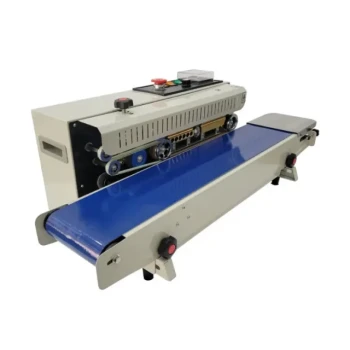
- Automatic Continuous Heat Sealing Machine
- High Quality Honey Dehumidifier Dryer Thickening Machine for Beekeeping
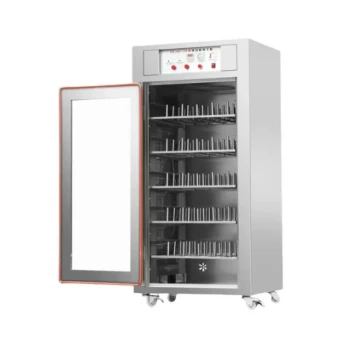
- HONESTBEE Professional Cabinet Bottle Dryer
- Premium Heat-Resistant Glass Honey Dipper
People Also Ask
- What is the primary function of professional dehumidification equipment in honey processing? Stability & Quality
- How to dry up honey? The Safe Guide to Stabilizing Honey and Preventing Fermentation
- What is the process for using a dehumidifier to lower honey's moisture content? Expert Drying Techniques
- How to decrease moisture in honey? Prevent Fermentation and Ensure Long-Term Quality
- How to remove humidity from honey? Protect Your Harvest from Fermentation