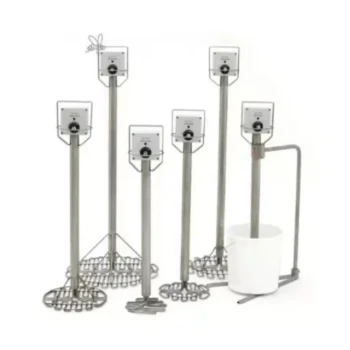
Industrial-grade temperature-controlled processing equipment utilizes a combination of precise heating and circulation systems to fine-tune the physical consistency of honey. By enabling the moderate liquefaction of naturally occurring crystals, this technology allows producers to adjust viscosity to exacting standards. Crucially, this is achieved without subjecting the honey to excessive temperatures that would degrade its quality.
By balancing precise thermal regulation with gentle circulation, industrial equipment liquefies crystals to achieve the ideal flow texture consumers demand, all while protecting the heat-sensitive compounds that define high-quality honey.
The Science of Viscosity Control
Precise Heating Regulation
Industrial processors do not simply apply heat; they utilize precise heating systems to target specific temperatures. This accuracy prevents the honey from reaching thresholds that would alter its chemical composition.
Integrated Circulation Systems
Heating is paired with circulation mechanisms to ensure even distribution of thermal energy. This creates a uniform consistency throughout the batch, rather than localized hot spots.
Adjusting Physical Properties
The primary function of this machinery is to modify the physical properties of the raw product. This transforms the honey from a potentially solid or semi-solid state into a pourable liquid.
Preserving Honey Integrity
Protecting Therapeutic Components
Honey contains distinct heat-sensitive therapeutic components that health-conscious consumers value. Advanced equipment ensures the liquefaction process remains moderate enough to leave these beneficial elements intact.
Retaining Natural Aromas
High heat often destroys the delicate volatile compounds responsible for flavor and smell. Controlled processing safeguards these natural aromas, ensuring the final product retains the sensory profile of raw honey.
Meeting Consumer Sensory Expectations
Achieving Specific Flow States
Consumers typically reject honey that is too difficult to pour or spread. Industrial control ensures the honey achieves a specific flow state, making it convenient for daily use.
Enhancing the Sensory Experience
Beyond just utility, the texture contributes to the overall sensory experience. By moderately liquefying crystals, the equipment removes grittiness, resulting in the smooth mouthfeel that the market expects.
Understanding the Trade-offs
The Risk of Over-Processing
While flow is important, there is a fine line between liquefaction and degradation. If equipment lacks precision, excessive heat can sterilize the honey, stripping it of the very value that warrants a premium price.
Balancing Texture with Natural Qualities
The goal is moderate liquefaction, not total sterilization. Producers must balance the desire for a completely liquid product against the need to preserve the biological activity of the honey.
Ensuring Quality and Marketability
To effectively leverage this technology, you must prioritize the balance between usability and biological integrity.
- If your primary focus is Mass Market Appeal: Prioritize the specific flow state to ensure the product is convenient and pourable for the average consumer.
- If your primary focus is Premium Quality: Focus on the preservation of therapeutic components by utilizing the lowest effective temperature settings to maintain bio-activity.
Precision processing turns a raw agricultural product into a consistent, consumer-ready staple without sacrificing its natural value.
Summary Table:
| Feature | Function in Viscosity Control | Benefit to Honey Quality |
|---|---|---|
| Precise Heating Systems | Targets specific liquefaction temperatures | Prevents degradation of heat-sensitive compounds |
| Circulation Mechanisms | Ensures even thermal distribution | Eliminates hot spots and ensures uniform texture |
| Moderate Liquefaction | Adjusts honey from solid to pourable state | Retains natural aromas and therapeutic properties |
| Flow State Calibration | Fine-tunes the physical consistency | Meets consumer demand for smooth, easy-to-pour honey |
Elevate Your Honey Production with HONESTBEE Professional Solutions
At HONESTBEE, we understand that balancing perfect viscosity with biological integrity is the key to market success. Whether you are a commercial apiary or a distributor, our comprehensive wholesale offering provides the precision-engineered machinery you need to meet modern consumer standards.
Why partner with HONESTBEE?
- High-Precision Equipment: From advanced honey-filling machines to automated processing lines that safeguard delicate aromas.
- Full Spectrum Supply: We provide everything from specialized hardware and hive-making machinery to essential industry consumables.
- Market-Ready Innovation: Enhance your brand's value with equipment designed to produce the smooth, premium texture consumers demand.
Ready to optimize your processing capabilities and scale your operations? Contact us today to explore our wholesale machinery solutions!
References
- Nadia Palmieri, Luigi Pari. Italian Consumer Preferences for Eucalyptus Honey: An Exploratory Study. DOI: 10.3390/su14137741
This article is also based on technical information from HonestBee Knowledge Base .
Related Products
- Professional Thermostatic Conical Honey Melter
- Double Wall Honey Heating Stirring Homogenizer Mixing Machine with Various Capacity
- Professional Electric Honey Uncapping Knife with Heated Digital Temperature Control for Beekeeping
- High Quality Honey Dehumidifier Dryer Thickening Machine for Beekeeping
- Heavy Duty Stainless Steel Honey Processing Machine Decrystallizing Tank
People Also Ask
- What is melter honey used for? A Low-Cost Ingredient for Bakers and Brewers
- How does a honey melter address the issue of crystallized honey in storage? Restore Flow and Quality Efficiently
- How do you melt a bucket of honey? Safely Reliquefy Crystallized Honey Without Damage
- When is a honey melter necessary? Optimize Your Facility's Workflow for Crystallized Honey
- How to heat a bucket of honey? Safely Restore Liquid Honey While Preserving Quality