Mobile transport equipment serves as the logistical backbone for migratory beekeeping, enabling the strategic relocation of colonies from exhausted primary nectar zones to active late-season foraging grounds. By moving hives from forest areas to wildflower regions after the main harvest, beekeepers ensure colonies can access the nutritional resources necessary to build critical winter food reserves.
Core Takeaway Mobile transport is not merely about moving equipment; it is a mechanism for nutritional continuity. By relocating colonies to late-season blooming areas, you allow bees to naturally supplement their winter stores and rear a healthy generation of "winter bees," significantly increasing the colony's survival rate during cold months.
Strategic Relocation for Nutritional Continuity
The primary function of mobile transport in this context is to bridge the nutritional gap that often occurs between the main summer harvest and the onset of winter.
Bridging the Forage Gap
In many stationary apiaries, nectar flow ceases after the primary harvest (often from forest zones). Mobile equipment allows for a "second season" by relocating colonies to areas with late-blooming wildflowers. This eliminates the "dearth" period where bees might otherwise consume their stored honey, ensuring they enter the cold season with a net positive in energy resources.
Rearing the Winter Cluster
The most critical biological preparation for winter is the production of "winter bees"—physiologically distinct bees designed to live for months rather than weeks.
- Continuous nutrition is required to stimulate the queen to continue egg-laying late into the season.
- Access to fresh wildflower pollen and nectar ensures the colony has the protein and carbohydrates needed to rear this vital population.
Enhancing Colony Resilience
Beyond basic survival, mobile transport facilitates a robust physiological state for the hive, reducing the reliance on artificial intervention.
Supplementing Reserves Naturally
While beekeepers often feed sugar syrup in the fall, natural nectar provides superior micronutrients. Mobile transport enables the colony to supplement winter food reserves naturally. This ensures the food stores within the hive are diverse and high-quality, which is essential for maintaining the colony's thermal balance during long periods of confinement.
Improving Survival Rates
The primary reference indicates a direct correlation between the flexibility of mobile equipment and improved overwintering survival rates. By preventing nutritional stress in late autumn, the colony maintains a strong population density. A larger, well-fed cluster can generate heat more efficiently, reducing the energy consumption required per bee to maintain the necessary 34–36°C core temperature.
Understanding the Trade-offs
While mobile transport offers significant advantages, it introduces specific risks that must be managed to avoid counteracting the benefits.
Timing and Temperature Sensitivity
Transport effectively extends the season, but it must conclude before temperatures drop too low.
- As noted in supplementary data, bees stop foraging below 50°F (10°C).
- Relocation must occur while bees are still active enough to re-orient themselves and process the incoming nectar. Moving them during the critical 20-day pre-winter window without careful monitoring can induce stress that outweighs nutritional gains.
Mechanical Disturbance
Transport involves vibration and handling.
- Hive integrity is paramount. The propolis seals (which bees use to airtight the hive) can be broken during transport.
- Beekeepers must verify that hive components remain secure and airtight after the move, as drafts and moisture are lethal to a winter cluster.
Making the Right Choice for Your Goal
The decision to utilize mobile transport should be based on your specific operational objectives and local geography.
- If your primary focus is Commercial Yield: Use mobile transport to capture a secondary honey crop from wildflowers while simultaneously filling the brood box for winter.
- If your primary focus is Colony Health: Utilize transport solely to move bees to high-nutrition zones to minimize the need for artificial syrup feeding and maximize the population of young winter bees.
Ultimately, mobile transport transforms winter preparation from a passive waiting game into an active strategy for nutritional management.
Summary Table:
| Factor | Benefit of Mobile Transport | Impact on Overwintering |
|---|---|---|
| Nutritional Access | Relocation to late-season wildflower zones | Natural supplementation of winter food stores |
| Biological Health | Continuous nectar/pollen flow | Encourages rearing of hardy "winter bees" |
| Physiological State | Diverse natural micronutrient intake | Enhanced thermal regulation and colony density |
| Operational Strategy | Eliminates the post-harvest dearth period | Reduced reliance on artificial syrup feeding |
| Survival Rates | Maintained population density | Lower energy consumption per bee during cluster |
Scale Your Apiary Success with HONESTBEE
Transition from passive wintering to active strategic management with professional-grade equipment. HONESTBEE specializes in supporting commercial apiaries and distributors with high-performance solutions designed for migratory beekeeping. From hive-making and honey-filling machinery to a full spectrum of beekeeping tools and essential consumables, we provide the hardware you need to ensure colony resilience.
Partner with HONESTBEE to enhance your operational efficiency and honey yields.
Contact Our Wholesale Experts Today
References
- Maksim Sharov. INFLUENCE OF BEE COLONIES TRANSPORTATION ON THEIR PRODUCTIVITY IN THE CONDITIONS OF THE SOUTHERN FAR EAST. DOI: 10.36718/1819-4036-2024-11-157-161
This article is also based on technical information from HonestBee Knowledge Base .
Related Products
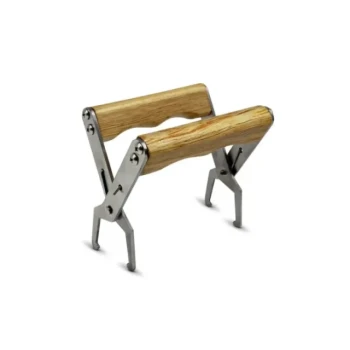
- Premium Frame Grip with Ergonomic Wood Handles
- Ergonomic Two Person Foldable Hive Lifter
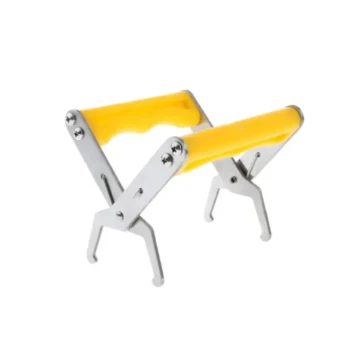
- Ergonomic High Visibility Plastic Frame Grip Handles
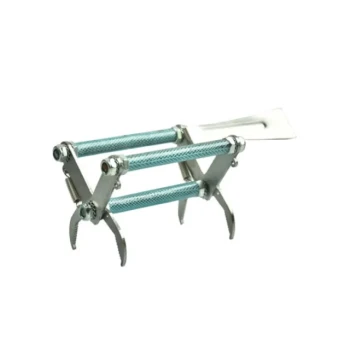
- Professional 3-Bar Frame Grip with Integrated Hive Tool
- Professional Frame Comb Fork and Lifter for Efficient Handling
People Also Ask
- What is a frame grip and how is it used? Secure Your Hive Inspections with Ease
- What is the purpose of using frame grips in beekeeping operations? Elevate Your Apiary Precision & Hive Safety
- What are the benefits of using Frame Grips in beekeeping? Boost Efficiency & Protect Your Hive
- How should frame grips be cared for after use? Essential Cleaning & Storage Tips for Beekeepers
- What is the step-by-step process for using frame grips during a hive inspection? Master Safe Frame Handling Today