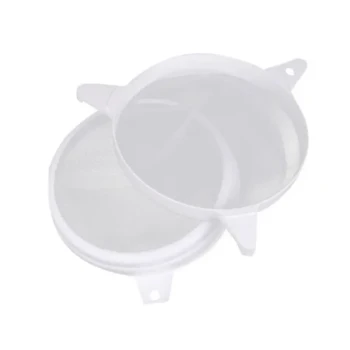
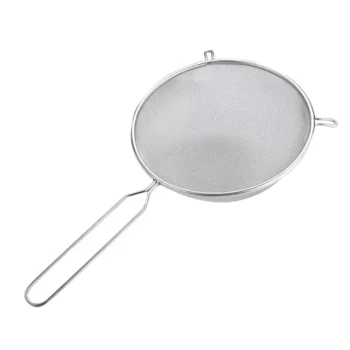
Precision filtration acts as the definitive stabilization step in the propolis extraction workflow, going far beyond simple cleaning. By utilizing physical retention mechanisms, this equipment systematically eliminates insoluble particles, wax residues, and mechanical impurities that compromise the liquid's integrity. This process is the primary safeguard against sedimentation, ensuring the extract remains clear and stable during subsequent bottling or formulation.
Core Takeaway: Precision filtration transforms a raw, volatile extraction into a stable, commercial-grade product. By removing microscopic waxes and impurities—especially in high-viscosity solvents like PEG 400—it guarantees physical clarity, prevents shelf-life precipitation, and ensures nutrient uniformity.
The Mechanics of Quality Improvement
Removing Physical Contaminants
The primary function of precision filtration is the physical retention of unwanted solids.
Raw propolis extracts naturally contain insoluble particles, mechanical impurities, and varying amounts of beeswax. Precision equipment captures these elements, separating them from the valuable bioactive liquid.
Managing High-Viscosity Extracts
Filtration becomes critical when working with high-viscosity solvents, such as Polyethylene Glycol 400 (PEG 400).
Thicker solvents trap impurities more aggressively, making natural settling ineffective. Efficient filtration forces the liquid through a medium that strips away these suspended solids, ensuring that even thick, syrup-like extracts achieve high clarity.
Impact on Stability and Uniformity
Preventing Future Precipitation
A common failure point in propolis production is the formation of sediment after the product has been bottled.
Precision filtration removes the precursors to this sediment. By eliminating wax residues during the separation stage, the equipment prevents precipitation that often occurs when temperatures change or the product sits on a shelf.
Ensuring Biological Consistency
Beyond aesthetics, filtration directly impacts the biological profile of the final product.
Secondary filtration using high-precision paper with extremely fine pores captures minute insoluble particles. This step guarantees the uniformity of nutrients, ensuring that every drop of the extract delivers a consistent dosage, which is vital for biological safety in applications like feed supplements.
Common Pitfalls in the Separation Stage
The Risk of Insufficient Pore Size
Failing to use high-precision media (such as fine-pore filter paper) for secondary filtration is a frequent oversight.
Standard filtration may remove visible debris but leave behind minute insoluble particles. These microscopic leftovers can cause cloudiness over time or create inconsistencies in the nutrient profile of the batch.
Ignoring Sensory Implications
Quality is not just about chemistry; it is about the user experience.
Inadequate filtration directly degrades the aesthetic stability and sensory quality of the product. An extract that appears cloudy or gritty is perceived as lower quality, regardless of its chemical potency.
Making the Right Choice for Your Goals
To optimize your propolis extraction process, match your filtration strategy to your specific end-product requirements.
- If your primary focus is Aesthetic Stability: Prioritize equipment capable of handling high-viscosity flows (like PEG 400) to strip wax residues and prevent shelf-precipitation.
- If your primary focus is Biological Safety: Implement a secondary filtration stage with high-precision fine-pore paper to ensure nutrient uniformity and remove minute contaminants.
True quality control in propolis extraction relies on the rigorous removal of physical variables to create a consistent, predictable liquid.
Summary Table:
| Quality Metric | Impact of Precision Filtration | Benefit to Producer |
|---|---|---|
| Physical Clarity | Removes waxes, insoluble particles, and mechanical impurities. | Ensures a clear, professional aesthetic for commercial sale. |
| Shelf Stability | Eliminates precipitation precursors that cause sedimentation. | Prevents product recalls and extends shelf-life integrity. |
| Nutrient Uniformity | Uses fine-pore media to capture minute solids. | Guarantees consistent biological dosage and safety standards. |
| Viscosity Management | Effectively filters thick solvents like PEG 400. | Optimizes processing speed for high-viscosity formulations. |
Elevate Your Propolis Production with HONESTBEE
At HONESTBEE, we understand that precision is the difference between a raw extract and a premium commercial product. As a dedicated partner to commercial apiaries and distributors, we provide the professional-grade machinery and filtration tools necessary to ensure your extracts meet the highest standards of clarity and biological safety.
From specialized honey-filling and hive-making machines to high-performance consumables, our comprehensive wholesale portfolio is designed to scale your operations and maximize product value. Whether you are looking to eliminate sediment issues or ensure nutrient uniformity in feed supplements, our team is here to support your growth.
Ready to refine your quality control? Contact us today to explore our full equipment range!
References
- Jelena Šuran, Josipa Vlainić. Nonaqueous Polyethylene Glycol as a Safer Alternative to Ethanolic Propolis Extracts with Comparable Antioxidant and Antimicrobial Activity. DOI: 10.3390/antiox10060978
This article is also based on technical information from HonestBee Knowledge Base .
Related Products
- 8 Frame and 10 Frame Propolis Trap Collector Screen for Propolis Collection
- Heavy Duty Stainless Steel Frame Cleaner with Plastic Handle
- Electric Double Wall Honey Filtering Machine Purifier Equipment for Honey Processing Plant
- Professional Honey Filter with Tripod Support Stand
- Stainless Steel Triangle Support Honey Strainer and Filters
People Also Ask
- Why is a specific wooden frame required when installing a propolis screen? Optimize Your Propolis Harvest Efficiency
- What are the advantages of using propolis collector screens? Elevate Your Harvest to Pharmaceutical Purity
- How do propolis collection screens work? Discover material specs for commercial harvesting equipment
- How does the mesh size of a propolis collection screen influence the efficiency of propolis harvesting? Optimize Yields!
- How do commercial-grade plastic screens compare to custom fine-mesh screens? Maximize Your Propolis Yield & ROI