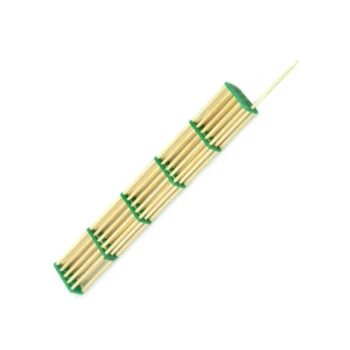
The combination of a wire mesh and a drawer bottom functions as a passive mechanical separation system. By exploiting the natural tendency of Varroa mites to dislodge from their hosts, this setup creates a physical barrier that isolates parasites from the colony. It improves efficiency by ensuring that mites falling through the mesh cannot climb back up to re-infest the bees, leaving them to perish in the collection drawer.
While this mechanical control is not a standalone cure, it effectively reduces the adult mite population by approximately 20% by preventing re-attachment. It serves as a foundational "always-on" background treatment that should be paired with other methods for optimal colony health.
The Mechanics of Isolation
Exploiting Biological Vulnerability
This system relies entirely on the biological characteristic of Varroa mites naturally falling off honeybees.
In a standard hive, these fallen mites would simply wait on the floorboard and attach themselves to the next passing bee. This device turns that natural occurrence into a permanent exit strategy.
The Selective Barrier
The core of this system is a wire mesh installed at the bottom of the hive.
The gauge of this mesh is critical: it is large enough to allow mites to pass through freely but small enough to prevent the bees themselves from passing. This acts as a physical filter, separating the vector (the bee) from the pest (the mite).
Improving Efficiency Through Containment
Preventing Re-infestation
The addition of a deep removable tray or drawer below the mesh is what drives the efficiency of this control method.
Without the drawer and the gap created by the mesh, fallen mites would remain accessible to the colony. By trapping them in the space below the mesh, approximately 20% of the total adult mite population is permanently removed from circulation.
Passive Elimination
Once trapped in the drawer, the mites have no access to food or their hosts.
They eventually die due to starvation or exposure to cold temperatures. This process requires no active labor from the beekeeper and operates 24/7 as long as the hardware is installed.
Understanding the Limitations
It Is Not a Complete Solution
The primary trade-off is that this system only controls a minority of the population.
Removing 20% of mites helps slow the growth of an infestation, but it will not eradicate it or control a severe outbreak. Relying on this method exclusively is a common pitfall that can lead to colony collapse.
Requirement for Integrated Management
As noted in the primary documentation, this device must be combined with other treatment methods.
It functions best as a supplementary measure that lowers the overall pest load, making chemical or thermal treatments more effective when they are applied.
Making the Right Choice for Your Goal
This hardware configuration is an essential piece of infrastructure for modern biosecurity, but its role must be understood correctly.
- If your primary focus is reducing chemical dependance: View this as a supportive baseline tool that lowers the frequency or intensity of other required treatments.
- If your primary focus is total colony protection: Do not assume this device provides safety; you must pair it with regular active treatments to manage the remaining 80% of the mite population.
By integrating this mechanical barrier, you convert a standard hive into a proactive defense system that constantly works to lower the parasitic burden on your bees.
Summary Table:
| Feature | Function in Mite Control | Benefit to Hive Health |
|---|---|---|
| Wire Mesh Barrier | Filters mites from bees using precise gauge spacing. | Prevents mites from re-attaching to host bees. |
| Drawer Bottom | Collects and isolates fallen parasites in a sub-floor space. | Permanently removes 20% of adult mites from the colony. |
| Passive System | Operates 24/7 without chemical or manual intervention. | Provides a consistent baseline level of biosecurity. |
| Integrated Strategy | Works as a foundation for chemical or thermal treatments. | Enhances the overall efficacy of pest management programs. |
Maximize Your Colony Productivity with HONESTBEE Solutions
At HONESTBEE, we understand that commercial success in apiculture depends on robust hive infrastructure and efficient pest management. Whether you are a large-scale commercial apiary or a global distributor, our comprehensive wholesale portfolio offers the specialized tools you need to stay ahead.
From advanced hive-making hardware and precision honey-filling machines to high-quality consumables and protective gear, we supply everything required to build a proactive defense system for your bees. Partner with us to access professional-grade beekeeping equipment and unique honey-themed merchandise designed for the modern market.
Ready to upgrade your wholesale supply chain? Contact us today to discuss your bulk requirements!
References
- Adnan Ayan, Osman Selçuk Aldemir. Control Methods against Varroa Mites. DOI: 10.5281/zenodo.3548388
This article is also based on technical information from HonestBee Knowledge Base .
Related Products
- Professional Bamboo Queen Isolation Cage
- Langstroth Screen Bottom Board for Beekeeping Wholesale
- Compact Circular Bee Mite Treatment Dispenser
- Adjustable Formic and Acetic Acid Dispenser for Bee Mite Treatment
- 12V Bee Mite Removal Evaporator Oxalic Acid Vaporizer for Bee Fumigation Treatment 180W Atomization
People Also Ask
- Why are specialized queen bee cages used for the banking of mated queen bees? Maximize Commercial Apiary Storage Efficiency
- What is the mechanism of action for using temporary queen bee cages? Master Successful Queen Introduction
- How does the side ventilation design of a queen bee cage impact the safety of the queen during long-distance transport?
- What should you do if the queen is still in the cage and the worker bees have not accepted her? Protect Your Colony from Queen Rejection
- What technical precaution must be taken regarding the mesh or grill side of a queen bee cage? Ensure Queen Survival