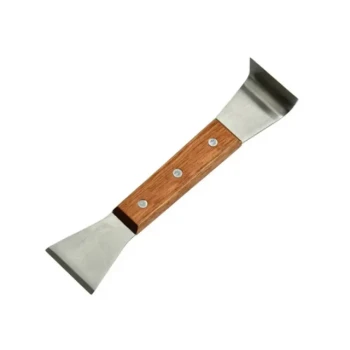
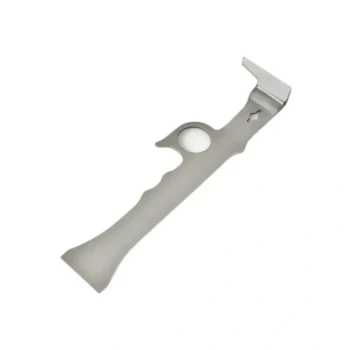
The configuration of comprehensive industrial beekeeping toolsets is the primary driver of apiary profitability and operational scale. By aligning specialized hardware—from hive-making machines to honey-filling systems—commercial apiaries can reduce resource input by up to 54% while maintaining output levels. This systemic approach eliminates the downtime caused by mismatched equipment and ensures that critical nectar flow windows are fully exploited to maximize honey yields by up to 30%.
Core Takeaway: Transitioning from fragmented equipment to a comprehensive, standardized toolset transforms beekeeping from manual labor into a high-efficiency industrial process. For B2B distributors, providing a unified hardware ecosystem is the only way to ensure clients achieve the operational stability and hygiene standards required for large-scale commercial success.
Maximizing Output Through Systemic Hardware Integration
Coordinated Workflows During Peak Nectar Flows
Industrial beekeeping relies on a coordinated workflow across colony inspection, harvesting, and transportation. During peak periods, typically from December to May, any delay in the process can lead to significant losses in potential honey collection.
A complete set of machinery ensures that every stage of production is synchronized, allowing beekeepers to respond rapidly to foraging windows. This systematic application of hardware optimizes the movement of materials and maximizes regional economic benefits.
Reducing Resource Waste and Input Costs
Research indicates that many apiaries operate at an average economic efficiency of only 46% due to improper resource allocation. By configuring professional production tools, operators can maintain existing honey output while cutting resource input by more than half.
Strategic investment in specialized hardware ensures that capital resources are fully utilized. This shift from manual methods to industrial-grade toolsets directly addresses the low-efficiency issues that plague traditional beekeeping models.
Standardization as a Catalyst for Scaling
Eliminating Mismatch Risks
Standardized beekeeping equipment, including hives, frames, and extractors, serves as the essential foundation for mitigating operational risks. Mismatched equipment often leads to increased honey bee mortality and unstable production levels.
A unified system allows operators to apply identical procedures across thousands of colonies. This consistency facilitates rapid frame swapping and uniform feeding, which are critical for maintaining high-efficiency transitions between different stages of large-scale operations.
Enhancing Hygiene and Precision with Automation
The implementation of semi-automated machinery, such as automatic scrapers and high-efficiency pollen traps, transforms labor-intensive tasks into precise industrial processes. These tools significantly reduce labor intensity while increasing the hygiene standards of the final product.
By utilizing professional machinery, apiaries can achieve a level of operational precision that is impossible with manual tools. This shift supports the transition toward professionalized and commercialized standards that global distributors and wholesalers require.
Understanding the Trade-offs and Operational Risks
Capital Investment vs. Long-term ROI
The primary hurdle for many apiaries is the initial capital required for a comprehensive machinery set. While the upfront cost is higher than traditional tools, the 30% increase in yield and the drastic reduction in labor costs typically result in a much higher long-term return on investment.
Maintenance and Technical Expertise
Industrial-grade equipment requires a higher level of technical expertise to maintain. Without access to a supplier that offers deep professional industry expertise and rapid response times for spare parts, an apiary risks extended downtime if a machine fails during a nectar flow.
Equipment Complexity and Training
As equipment becomes more specialized, the need for operator training increases. Distributors must ensure that they are not just selling hardware, but providing the necessary technical context to help end-users integrate these tools into their existing workflows without disrupting colony health.
Making the Right Choice for Your Goal
How to Apply This to Your Resale Strategy
To succeed as a distributor or wholesaler, your product portfolio must reflect the needs of an industrializing market that values efficiency and speed.
- If your primary focus is maximizing client honey yields: Prioritize the distribution of standardized hive sets and extractors that are proven to increase output by 30% through better colony management.
- If your primary focus is reducing labor costs for apiaries: Invest in automated machinery like honey-filling and hive-making machines to replace manual labor with high-precision technical equipment.
- If your primary focus is ensuring supply chain reliability: Partner with a one-stop sourcing provider that offers ultra-fast delivery and rapid response times to prevent operational downtime for your clients.
A comprehensive, synchronized toolset is the fundamental requirement for transforming traditional apiaries into high-yield, industrial-scale production centers.
Summary Table:
| Key Factor | Impact on Efficiency | Commercial Benefit |
|---|---|---|
| Systemic Integration | Synchronized workflows during peak flows | Maximized nectar collection windows |
| Standardization | Eliminates equipment mismatch & bee mortality | Seamless scalability across thousands of colonies |
| Automation | High-precision harvesting & filling | Reduced labor costs & superior hygiene standards |
| Full-Spectrum Toolsets | 54% reduction in resource input | Optimized capital ROI and 30% higher yields |
Partner with HONESTBEE to Scale Your B2B Beekeeping Business
As a distributor or wholesaler, your success depends on supply reliability and professional-grade equipment that delivers results. HONESTBEE caters to commercial apiaries with a comprehensive one-stop sourcing solution—from specialized hive-making and honey-filling machinery to essential industry consumables.
Why Choose HONESTBEE?
- Deep Industry Expertise: We provide the technical context and hardware ecosystems your clients need to transition to high-efficiency industrial processes.
- Full-Spectrum Portfolio: Access everything from hardware to honey-themed cultural merchandise.
- Rapid Fulfillment: Benefit from our ultra-fast delivery and rapid response times to keep your supply chain moving.
- Distributor-Focused Services: Enhance your profit margins with our OEM/ODM support and premium trading services.
Ready to elevate your inventory with industrial-grade beekeeping solutions?
References
- Kamuntu Mbulika, Sabina Tuyembe. Community-Based Beekeeping Programmes in Northern Somali Rural Areas: Economic Sustainability and Environmental Impact Studies in Tanzania. DOI: 10.5281/zenodo.18991795
This article is also based on technical information from HonestBee Knowledge Base .
Related Products
- Professional Dual-End Stainless Steel Hive Tool for Beekeeping
- Stainless Steel J Hook Hive Tool for Beekeeping
- HONESTBEE Classic Pry Bar Hive Tool with High Visibility Finish for Beekeeping
- Ergonomic Plastic Frame Spacer Tool for Rapid Hive Management Beekeeping
- HONESTBEE 15-in-1 Beekeeper Multi-Tool with Hammer and Pliers for Beekeeping
People Also Ask
- What specific challenges do beekeeping hive tools address during hive maintenance? Essential Solutions for Apiaries
- Why are professional hive tools considered indispensable? Master Beekeeping Maintenance with Precision Leverage
- What is the role of professional hive tools in routine apiary maintenance? Expert Tips for Hive Health and Longevity
- What role do professional beehives and beekeeping tools play in honey prosumption? Scale yield & commercial success.
- What are the primary functions of a stainless steel hive tool? Essential Equipment for Professional Beekeeping