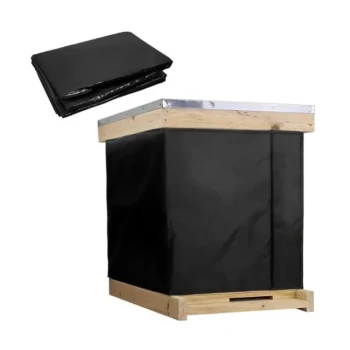
The insulation performance of hive materials acts as a direct lever on colony productivity. By minimizing the transfer of heat, superior materials significantly reduce the physiological workload placed on the bees. Instead of expending calories on survival behaviors like fanning or clustering, the colony redirects that energy toward nectar collection and honey brewing.
Core Takeaway The primary mechanism driving efficiency is energy conservation. Effective insulation stabilizes the hive's internal climate, drastically lowering the metabolic cost of thermoregulation. This allows the colony to shift its collective focus from temperature maintenance to resource accumulation, resulting in higher honey yields.
The Biological Impact of Thermal Stability
Minimizing Physiological Stress
The hive environment is subject to external temperature fluctuations that can cause significant physiological stress. Superior insulation acts as a buffer, reducing heat loss in the winter and preventing excessive heat gain in the summer.
Without this protection, bees are forced to engage in physically demanding behaviors to regulate the microclimate.
Redefining Labor Allocation
When insulation is poor, the colony must allocate labor to thermoregulation rather than production. In summer, bees must spend energy fanning their wings to cool the hive; in winter, they must cluster tightly to generate warmth.
High-performance materials reduce the intensity of this labor. This directly liberates biological energy, allowing the colony to spend more time foraging for nectar and processing it into honey.
The Role of Structure and Standardization
Precision and Biological Alignment
While material choice dictates thermal efficiency, the construction method dictates the hive's suitability for specific bee species. Industrial-grade manufacturing allows for precision processing of hives that align with the biological characteristics of specific species, such as the Caucasian Gray Bee.
Supporting Colony Health
Standardized, structurally sound wooden components provide essential protection for colony reproduction and overwintering.
A stable physical structure ensures the colony remains healthy enough to maximize the benefits of the insulated environment.
Integration with Automation
The benefits of hive construction extend beyond biology to harvest efficiency. Standardized hives provide the necessary physical interfaces for automated honey harvesting and centrifugal extraction.
This compatibility ensures that the increased production volume can be processed cleanly and at scale, maintaining the purity of the raw honey supply.
Considerations in High-Efficiency Hive Design
The Necessity of Standardization
While insulation boosts biological efficiency, it must be paired with standardized dimensions to be commercially viable.
Using custom or irregular insulated hives can create bottlenecks during harvest. To maximize potential, the hive must fit industrial-grade machinery used for extraction and processing.
Balancing Nutrition and Climate
Insulation alone cannot guarantee survival during nectar scarcity or inclement weather. It must be supported by internal systems, such as internal hive feeders, to provide stable nutrition.
If a colony is well-insulated but starving, worker agitation can still lead to the abandonment of queen cells. Therefore, thermal efficiency must be viewed as one part of a holistic management system that includes nutritional support.
Making the Right Choice for Your Goal
To leverage hive construction for maximum efficiency, align your material and design choices with your specific production targets:
- If your primary focus is Maximum Honey Yield: Prioritize materials with superior insulation properties to minimize the caloric energy bees waste on heating and cooling.
- If your primary focus is Commercial Scalability: Ensure your hives are produced via industrial-grade machinery to guarantee standardization for automated extraction lines.
- If your primary focus is Queen Rearing: Combine good insulation with internal feeders to maintain metabolic stability and prevent queen cell abandonment during weather fluctuations.
By treating hive insulation as an energy-management tool rather than just shelter, you directly convert saved bee energy into harvestable product.
Summary Table:
| Factor | Low Insulation | High Insulation (HONESTBEE Quality) |
|---|---|---|
| Energy Expenditure | High (Fanning/Clustering) | Low (Energy conserved for production) |
| Resource Allocation | High consumption of honey stores | Increased honey accumulation |
| Climate Stability | Subject to external fluctuations | Consistent internal microclimate |
| Colony Health | Higher stress/Lower overwintering | Reduced stress/Superior survival rates |
| Harvest Efficiency | Variable output | Maximized yield and scalability |
Maximize Your Colony’s Potential with HONESTBEE
At HONESTBEE, we understand that high-efficiency beekeeping starts with superior infrastructure. As a premier partner for commercial apiaries and distributors, we provide more than just equipment—we provide energy-saving solutions that translate directly into higher profits.
Our comprehensive wholesale portfolio includes:
- Precision-Machined Hives: Designed for thermal stability and standardized for seamless integration with industrial extraction lines.
- Advanced Machinery: From hive-making to honey-filling and centrifugal extraction, we supply the tools that scale your operations.
- Industry Consumables: Internal feeders and essential hardware to support colony health during every season.
Whether you are looking to upgrade your fleet with better insulation or need robust machinery to handle increased production, our experts are ready to assist.
Contact us today to optimize your wholesale beekeeping supply chain!
References
- Philip Siminyu, Mary Gikungu. Beekeepers’ perception of the suitability of climate-smart compliant bee-hive technologies in honey production: The case of Nyandarua and Kajiado counties. DOI: 10.4314/jagst.v23i5.6
This article is also based on technical information from HonestBee Knowledge Base .
Related Products
- Professional Insulated Plastic Bee Hives
- Professional Insulated Winter Hive Wrap for Beekeeping
- Inner Beehive Cover for Beekeeping Bee Hive Inner Cover
- Solid Bottom Board Australian Pine Wood Langstroth Bottom Board for Wholesale
- Langstroth Solid Bottom Board for Beekeeping
People Also Ask
- What are the advantages of plastic bee hives? Boost Efficiency & Durability for Your Apiary
- Are plastic bee hives any good? Unlock Durability & Efficiency for Your Apiary
- How do plastic bee hives compare to wooden hives in handling? Reduce Strain & Boost Efficiency
- Are plastic bee hives good? Durable, Low-Maintenance Hives for Modern Apiaries
- What are the disadvantages of plastic beehives? Key Operational and Environmental Risks Exposed