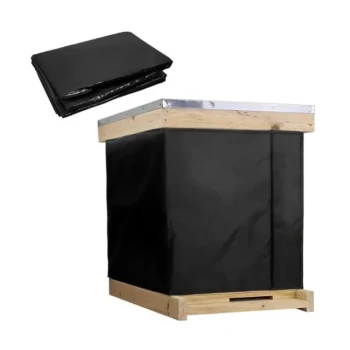
Foam insulation functions as the system's primary thermal barrier. By leveraging its extremely low thermal conductivity, the foam layer drastically reduces the rate at which heat transfers from the hive’s internal storage medium to the external environment. This preservation of energy is the deciding factor in maintaining a stable internal climate efficiently.
The integration of foam insulation transforms a solar hive from a simple collector into a stable habitat. By minimizing heat dissipation, it ensures the hive maintains the precise temperatures required for biological success, regardless of external weather conditions.
The Physics of Heat Retention
To understand why foam is effective, we must look at how it interacts with the energy collected by the solar system.
Combating Thermal Conductivity
The fundamental value of foam lies in its resistance to heat flow. Because it possesses extremely low thermal conductivity, it acts as a robust shield against thermal loss. This property prevents the rapid equalization of temperatures between the warm hive interior and the cold outside air.
Slowing Energy Dissipation
Solar heating is intermittent, but the need for warmth is constant. The foam layer slows the dissipation of stored energy, ensuring that heat gathered during the day does not vanish immediately after sunset. This lag is essential for bridging the gap between energy collection and energy usage.
Impact on Colony Health
The ultimate goal of the heating system is biological support. The foam layer directly impacts the colony's ability to thrive.
Supporting Brood Development
Bee larvae are highly sensitive and require a specific, stable temperature range to survive. The insulation ensures that the heat provided by the system remains consistent enough to support proper brood development. Without this barrier, temperature spikes and drops could threaten the colony's future generation.
Buffering Diurnal Fluctuations
External environments experience significant diurnal temperature fluctuations, swinging from hot days to cold nights. The foam insulation dampens these swings, decoupling the internal hive temperature from the erratic external weather. This stability reduces stress on the colony.
Understanding the Trade-offs
While foam insulation is critical, it functions within specific limitations that must be understood for effective system design.
Dependency on the Storage Medium
It is vital to recognize that foam is a barrier, not a heat source. It can only conserve the energy present in the internal storage medium. If the storage medium fails to collect sufficient solar energy, the insulation cannot generate warmth on its own; it merely slows the inevitable cooling.
Making the Right Choice for Your Goal
To maximize the thermal stability of your solar-heated beehive, consider these implementation strategies:
- If your primary focus is Brood Survival: Ensure the insulation is continuous and sufficient to maintain the strict temperature range required for larval development.
- If your primary focus is Energy Efficiency: Focus on the quality of the foam's thermal conductivity to minimize dissipation rates during the night.
Effective insulation is the critical component that converts raw solar heat into a sustainable, consistent environment for the colony.
Summary Table:
| Feature | Function in Solar Beehive | Benefit to Colony |
|---|---|---|
| Thermal Conductivity | Extremely low; resists heat flow | Prevents rapid heat loss to cold external air |
| Energy Dissipation | Slows release of stored solar energy | Maintains warmth overnight and during cloud cover |
| Climate Buffering | Dampens diurnal temperature swings | Reduces colony stress from erratic weather |
| Biological Support | Stabilizes internal hive temperature | Ensures consistent heat for sensitive brood growth |
Maximize Your Colony’s Potential with HONESTBEE
At HONESTBEE, we specialize in empowering commercial apiaries and distributors with high-performance beekeeping solutions. Whether you are scaling up production with our honey-filling machines or upgrading your infrastructure with specialized hive-making hardware, our comprehensive wholesale offering has you covered.
We provide a full spectrum of beekeeping tools, machinery, and essential consumables designed for efficiency and thermal success. Let us help you protect your investment and optimize hive health.
Ready to elevate your beekeeping operations? Contact us today to explore our full range of professional equipment and cultural merchandise.
References
- M. A. Al-Rajhi. Warming Beehives with Solar Energy Stored in Water. DOI: 10.19159/tutad.1126564
This article is also based on technical information from HonestBee Knowledge Base .
Related Products
- Solar Beeswax Melter Easy Solar Wax Melter for Beeswax
- Professional Insulated Plastic Bee Hives
- Professional Insulated Winter Hive Wrap for Beekeeping
- Stainless Steel Electric Beehive Smoker for Beekeeping and Bee Keeper Use
- Wholesales Dadant Size Wooden Bee Hives for Beekeeping
People Also Ask
- How does a solar melter work to process beeswax? The Eco-Friendly Way to Pure Wax
- What is a solar wax melter and how does it work? Harness the Sun for Pure Beeswax
- What are the benefits of using a solar wax melter? Harness the Sun for Pure, Cost-Effective Beeswax
- What is the purpose of a solar wax melter in beekeeping? Sustainable Wax Processing for Modern Apiaries
- How does a solar-powered frame wax melter work? Harness the Sun for Sustainable Beekeeping