Crystallization fundamentally alters the visual profile of raw honey, causing it to become lighter in color and opaque. As raw honey ages and loses moisture, it transitions from a clear, translucent liquid into a semi-solid state. The formation of solid sugar crystals increases light reflection, making the honey appear significantly paler than its original liquid form.
While the shift from golden liquid to a pale, semi-solid mass can look alarming, this is a purely physical change. It indicates high-quality, raw honey rather than spoilage, and the process typically has a minimal impact on flavor profile.
The Physics of the Color Shift
Why Crystallized Honey Looks Lighter
When honey is in its liquid state, light passes through it, giving it a deep, translucent amber color. However, as crystals form, they alter how light interacts with the substance.
The Role of Light Reflection
The solid crystals within the honey act as tiny mirrors. Instead of allowing light to pass through, these crystals reflect more light back to the eye.
The Visual Result
This increased reflection causes the honey to lose its transparency. Consequently, the honey appears much lighter—often turning a creamy white or pale yellow—regardless of its original dark hue.
The Mechanism Behind the Change
The Glucose Factor
This transformation is driven by the sugar composition of the honey. Specifically, the rate of crystallization is directly related to glucose content.
The Tipping Point
Honey with a glucose content higher than 28% will crystallize relatively quickly. Conversely, varietals with lower glucose levels generally remain in a liquid state for much longer periods.
Moisture Loss and Aging
As noted in the primary observations, this process is often accelerated as raw honey ages and naturally loses moisture. This loss of water concentrates the sugars, encouraging them to drop out of the liquid solution and form solid structures.
Understanding the Trade-offs
Texture vs. Aesthetics
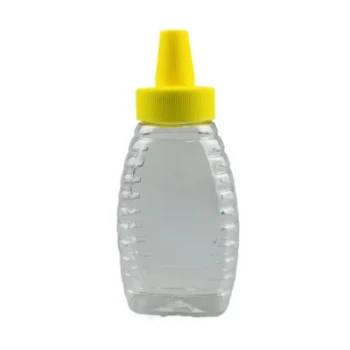
The most immediate trade-off is the loss of the smooth, pourable consistency many consumers expect. The honey becomes semi-solid and grainy, which may be difficult to dispense from a squeeze bottle.
Flavor Perception
While the visual change is drastic, the flavor profile remains largely stable. Interestingly, the crystallization process can slightly increase the perceived sweetness of the honey as it dissolves differently on the tongue.
Misinterpreting Quality
A common pitfall is assuming that the lighter, solid appearance indicates spoilage or poor quality. In reality, crystallization is a hallmark of natural, raw honey that has not been heavily processed or overheated.
Managing Your Honey Supply
Whether you prefer the convenience of liquid honey or the spreadability of crystallized honey, you can manage the state of your product based on your needs.
- If your primary focus is restoring the original appearance: Gently warm the honey container in a water bath to melt the crystals and return the honey to its translucent, liquid state.
- If your primary focus is preserving raw enzymes: Consume the honey in its crystallized form, as excessive heating to remove crystals can degrade heat-sensitive nutrients.
- If your primary focus is spreading on toast: Utilize the crystallized state to your advantage, as the semi-solid texture is less messy and easier to spread than liquid honey.
Crystallization is a reversible physical state, not a chemical end-point, giving you full control over how you enjoy your honey.
Summary Table:
| Feature | Liquid Raw Honey | Crystallized Raw Honey |
|---|---|---|
| Appearance | Translucent, deep amber/golden | Opaque, creamy white or pale yellow |
| Light Interaction | Light passes through (transmission) | Light reflects off sugar crystals |
| Physical State | Viscous liquid | Semi-solid, grainy, or spreadable |
| Quality Indicator | Fresh or processed | Hallmarking of natural, raw, unprocessed honey |
| Primary Driver | High moisture, lower glucose | Moisture loss, glucose content >28% |
Elevate Your Honey Business with HONESTBEE
At HONESTBEE, we understand the science of honey and the needs of professional beekeepers. Whether you are a commercial apiary managing crystallization through precise processing or a distributor seeking high-quality supplies, we provide the industrial-grade solutions you need.
Our value to you:
- Advanced Machinery: From honey-filling machines to hive-making hardware.
- Comprehensive Supplies: A full spectrum of beekeeping tools and essential consumables.
- Global Distribution: Wholesale offerings tailored for commercial success.
Ready to scale your production? Contact us today to explore how our specialized equipment and merchandise can optimize your operations.
Related Products
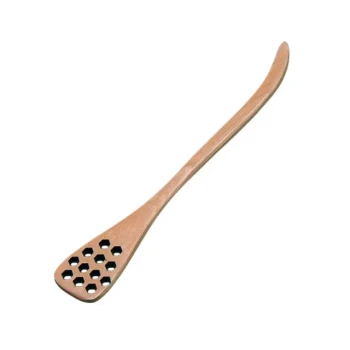
- Modern Honeycomb Pattern Wooden Honey Dipper for Stirring and Drizzling
- Professional Honey Uncapping Roller for Efficient Harvesting
- Economy Small Scale Honey Dryer Dehumidifier Thickening Machine
- High Quality Honey Dehumidifier Dryer Thickening Machine for Beekeeping
- Honey Concentrating Vacuum Heating Thickening Machine Dehumidifier for Honey
People Also Ask
- What is the proper method for cleaning a honey dipper? Maintain Pure Flavor with These Easy Pro Tips
- What is a honey dipper and what is it used for? A Guide to Mess-Free Drizzling
- What is a honey dipper? Master the Art of the Perfect Drizzle with This Essential Tool
- What is a honey taking spoon called? Discover the Tool for a Perfect, Mess-Free Drizzle
- How do you clean and store a honey dipper? Simple Steps for Long-Lasting Performance