Sanitation and equipment management directly determine how quickly Chalkbrood spreads through a commercial apiary. Unsanitized hive tools can transfer Ascosphaera apis spores during inspections, while contaminated frames and hive boxes can carry spores into otherwise healthy colonies for years. Effective control therefore combines equipment disinfection, selective replacement or destruction of contaminated components, moisture management, and strong colony management.
Chalkbrood is not controlled by treating individual colonies alone. Commercial apiaries must manage the entire equipment pathway, because contaminated tools, comb, and woodenware can repeatedly reintroduce spores into healthy hives.
How Contaminated Equipment Spreads Chalkbrood
Hive tools create rapid cross-contamination
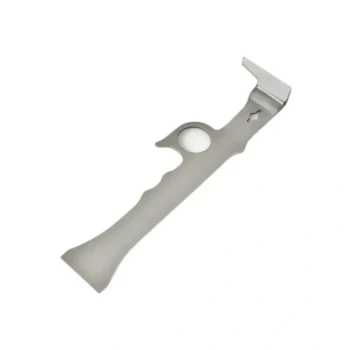
Hive tools contact propolis, wax, brood material, and hive surfaces during routine inspections. When the same uncleaned tool moves from a symptomatic colony to a healthy one, it can transfer fungal spores directly.
This risk increases in commercial operations that inspect many colonies in sequence. A single tool can become a shared transmission point across an entire yard or between apiary locations.
Frames retain spores in wax and wood
Frames are a major long-term reservoir because spores can remain in old comb, embedded wax, and porous wooden surfaces. Moving a brood frame from a weak or infected colony into a stronger colony can introduce the pathogen even when no visible mummies are present.
Old brood comb also accumulates pathogens and other contaminants over time. Regular comb replacement reduces the amount of residual infectious material circulating within the operation.
Hive boxes preserve contamination between colonies
Hive bodies, covers, bottom boards, and other wooden components can retain spores after a colony is removed. If these components are returned to service without appropriate cleaning and treatment, they can expose the next colony placed inside.
This is particularly important when equipment from different yards is pooled, repaired, or redistributed without a documented sanitation status.
Why Sanitation Must Be Part of Apiary Management
Disinfection interrupts the equipment pathway
Sanitizing tools and hive components breaks the most controllable route of transmission: movement by people and equipment. Tools should be cleaned between colonies according to an established apiary protocol, with particular attention to visible wax, propolis, brood remains, and debris.
Disinfectants should be selected and used according to product labels, material compatibility, worker-safety requirements, and local regulations. A chemical that is suitable for a cleaned, nonporous surface may be ineffective or damaging when applied to heavily contaminated wood or wax.
Cleaning and disinfection are separate steps
Organic material can shield fungal spores from disinfectants. Removing debris before applying an approved disinfectant is therefore essential.
Commercial teams should define the full process: scrape and wash equipment, apply the approved sanitation treatment, allow the required contact time, rinse when required, and dry components completely before reuse.
Porous materials may require replacement
Wood and comb are more difficult to decontaminate reliably than metal tools or other smooth surfaces. Heavily infected comb should be removed and destroyed rather than transferred to another colony.
Frames or hive boxes with substantial contamination may need replacement, controlled heat treatment, scorching where appropriate, or disposal under an approved procedure. The correct option depends on the material, equipment, fire controls, and applicable regulations.
Moisture Control Reduces Disease Pressure
Ventilation limits fungal development
Chalkbrood is more likely to become a problem in cool, damp, or poorly ventilated colonies. Hive hardware should allow adequate airflow while avoiding conditions that permit rainwater entry or excessive drafts.
Screened bottom boards, ventilated covers, dry hive stands, tight-fitting components, and suitable site selection can help reduce internal moisture. Hardware quality matters because warped boxes, leaking covers, and poorly sealed joints can undermine otherwise sound management.
Equipment design affects operational consistency
Commercial apiaries benefit from hive components that are durable, dimensionally stable, easy to inspect, and straightforward to clean. Consistent equipment makes it easier for teams to identify damaged parts, isolate contaminated material, and maintain standardized sanitation routines.
For distributors and resellers, this makes product reliability part of disease-management value. Replacement frames, cleanable tools, bottom boards, covers, stands, and sanitation supplies should be treated as connected components of one operational system.
Colony Strength Determines Whether Infection Escalates
Strong colonies remove infected material
Healthy colonies with vigorous populations and hygienic worker behavior can detect and remove infected larvae before chalkbrood develops extensively. Sanitary equipment supports this defense, but it cannot replace adequate nutrition, queen quality, population strength, and appropriate seasonal management.
Weak colonies are more vulnerable, particularly during cold or stressful periods. Managers should evaluate whether failing colonies require nutritional support, requeening, consolidation, or closer monitoring.
Remove mummified larvae promptly
Chalkbrood mummies may appear on the bottom board, near the entrance, or among brood material. Removable bottom boards make inspection and removal more efficient, reducing the amount of infectious debris left inside the hive.
The removed material should be handled as contaminated waste and should not be placed where bees from other colonies can contact it.
Hygienic stock supports prevention
Requeening with hygienic stock can improve a colony’s ability to remove diseased brood. This measure is most effective when combined with dry hive conditions and disciplined equipment management.
Building a Commercial Sanitation Workflow
Separate clean and contaminated equipment
Apiaries should establish clearly marked areas for clean, used, suspect, and condemned equipment. Hive components should not return to general inventory until their sanitation status is known and the required treatment has been completed.
This simple separation prevents contaminated equipment from being distributed accidentally through normal repair, storage, or fulfillment processes.
Inspect before moving equipment
Before frames, boxes, or tools are transferred, workers should check for chalky mummies, abnormal brood patterns, mold, excess moisture, and structural damage. Equipment from symptomatic colonies should be isolated immediately.
Movement records can also identify which colonies or yards received components from a suspected source. This is especially valuable for commercial operators managing multiple locations.
Standardize between-colony tool handling
Teams should use a repeatable tool-cleaning procedure during inspections. Depending on the operation’s risk level, this may involve dedicated tools for separate yards, spare tools that can be rotated through sanitation, or disinfection between colonies.
The goal is to prevent an inspection sequence from becoming a mechanical route for spreading spores.
Replace brood comb on a planned cycle
Routine brood-comb replacement reduces persistent contamination and removes aged wax from circulation. A planned replacement cycle, such as replacing brood frames over approximately two years, can be adapted to colony density, disease history, climate, and operating scale.
Severely affected comb should be removed from the production system rather than blended into the normal replacement stream.
Understanding the Trade-offs
Intensive sanitation requires time and inventory
Disinfection, drying, inspection, and quarantine add labor and can delay equipment reuse. Commercial apiaries must therefore maintain sufficient spare tools, frames, boxes, and covers to prevent production pressure from forcing contaminated components back into service.
Reliable supply and rapid fulfillment are operational advantages when disease control requires urgent replacement equipment.
Chemical treatment has practical limits
Disinfectants are not equally effective on every material, and improper concentrations or contact times can damage equipment or create residue and worker-safety problems. Commercial operators should use approved products and documented procedures rather than relying on informal mixing practices.
Sanitation should also be validated through consistent process control, not assumed merely because a component looks clean.
Heat and burning require controls
Scorching or destroying contaminated woodenware can reduce persistent contamination, but heat-based methods create fire, equipment, and environmental risks. They should be performed only with suitable tools, trained personnel, and appropriate site controls.
When the cost and risk of reliable decontamination exceed the value of the component, replacement is often the more defensible business decision.
Sanitation cannot correct poor hive conditions
Clean equipment will not prevent recurring Chalkbrood if colonies remain weak or hives remain damp and poorly ventilated. Equipment management must be coordinated with nutrition, queen management, site selection, ventilation, and monitoring.
Non-chemical options such as essential-oil delivery systems may complement a broader maintenance program, but they should not be treated as substitutes for sanitation, comb management, and colony strengthening.
Making the Right Choice for Your Goal
The most effective commercial approach is to combine disease-control procedures with dependable equipment availability and clear product specifications.
- If your primary focus is reducing cross-colony transmission: Clean and disinfect hive tools between colonies, isolate suspect equipment, and prohibit the transfer of unsterilized frames or hive boxes.
- If your primary focus is long-term apiary biosecurity: Establish documented sanitation, quarantine, storage, inspection, and equipment-replacement procedures across every yard.
- If your primary focus is controlling recurring outbreaks: Remove heavily infected comb, replace aged brood frames, improve ventilation and moisture control, and strengthen or requeen vulnerable colonies.
- If your primary focus is equipment procurement: Source durable, easy-to-clean tools and standardized hive components, while maintaining replacement inventory for frames, boxes, bottom boards, and covers.
- If your primary focus is operational efficiency: Work with suppliers that can provide a full equipment portfolio, responsive technical support, and fast fulfillment when contaminated components must be removed quickly.
Commercial Chalkbrood control depends on treating every tool, frame, box, and handling decision as part of the apiary’s biosecurity system.
Summary Table:
| Equipment | Risk of Spreading Chalkbrood | Key Management Strategies |
|---|---|---|
| Hive tools | High - transfer spores directly between colonies during inspections | Clean and disinfect between colonies; use dedicated tools per yard or rotate through sanitation |
| Frames | High - spores persist in wax and wood, especially old comb | Regular replacement cycle; destroy heavily contaminated comb; move only clean frames |
| Hive boxes | Medium - spores can persist on wood and contaminate new colonies | Disinfect or replace heavily contaminated boxes; quarantine suspect equipment; maintain clean inventory |
| Bottom boards | Medium - mummies can accumulate and harbor spores | Use removable bottom boards for easy inspection and cleaning; remove debris promptly |
| Covers and stands | Low to medium - contribute to moisture control and ventilation | Ensure proper ventilation and drainage; repair or replace damaged components |
Protect your apiary from Chalkbrood with reliable equipment and expert guidance. At HONESTBEE, we provide a comprehensive range of beekeeping tools, hive components, and sanitation supplies designed for rigorous disease control. Our durable, easy-to-clean equipment supports efficient biosecurity protocols, while our rapid fulfillment ensures you can replace contaminated components without delay. Whether you need frames, hive boxes, bottom boards, or professional cleaning tools, we have the solution. Benefit from our one-stop sourcing, fast shipping, and dedicated support. Contact us today for a quote or to discuss your apiary's needs: Contact Us.
Related Products
- Ergonomic Plastic Frame Spacer Tool for Rapid Hive Management Beekeeping
- HONESTBEE Classic Pry Bar Hive Tool with High Visibility Finish for Beekeeping
- Stainless Steel J Hook Hive Tool for Beekeeping
- HONESTBEE Advanced Ergonomic Stainless Steel Hive Tool for Beekeeping
- HONESTBEE Professional Mini J-Hook Hive Tool for Beekeeping
People Also Ask
- What specific challenges do beekeeping hive tools address during hive maintenance? Essential Solutions for Apiaries
- How do specialized beehive management tools assist in the routine maintenance of bee colonies? Boost Hive Efficiency
- How do specialized beehive management tools support high-purity honey production? Master Monofloral Isolation
- What are the approximate costs of basic beekeeping tools? Start Your Apiary for Under $85
- How do spring inspections for honeybee starvation symptoms guide apiary management? Optimize Colony Survival & Growth