The Splitting Technique is the intentional division of a single, strong bee colony into two or more independent units. By combining manual separation with advanced queen rearing technologies, this method allows commercial beekeepers to proactively multiply their colony counts, strictly controlling the rate of expansion rather than relying on unpredictable natural reproductive cycles.
The Splitting Technique transforms colony reproduction from a passive biological event into a controlled industrial process. It serves as the primary engine for scaling operations, allowing apiaries to systematically increase honey production while mitigating the risks associated with natural swarming.
Moving from Reactive to Proactive Growth
Controlled Colony Multiplication
The primary function of the Splitting Technique is rapid colony multiplication. Instead of waiting for a hive to naturally reproduce, you manually intervene to create new units.
This allows an apiary to double or triple its size within a specific timeframe to meet production targets.
The Role of Queen Rearing
Successful splitting relies heavily on specific queen rearing technologies. A split cannot survive without a viable queen to lay eggs and maintain the population.
By cultivating new queens in advance, beekeepers ensure that the newly divided units become productive, independent colonies immediately.
Eliminating Natural Uncertainty
Relying on natural swarming for growth is inefficient and risky for commercial operations. Natural swarms often result in the loss of a significant portion of the workforce.
Splitting overcomes this uncertainty by acting as a preemptive measure, keeping the bee population within the apiary's control.
The Operational Context for Splitting
Monitoring for the Right Moment
Timing is critical for a successful split. Electronic weight sensors provide data on rapid weight gains, which often signal that a colony is becoming overcrowded and ready to split.
Conversely, a sudden weight drop can act as an early warning of a swarm, indicating that you may have missed the optimal window for splitting.
Standardization of Hardware
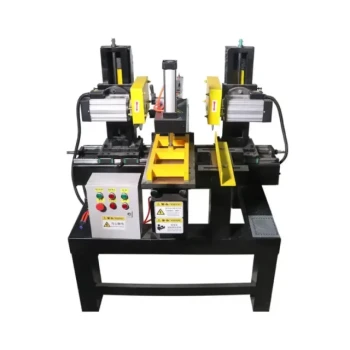
To split colonies efficiently on a commercial scale, you need industrial-grade beehive manufacturing machinery.
Mechanical production ensures precise structural consistency, allowing frames and hive bodies to be swapped seamlessly between the parent colony and the new split.
Assessing Carrying Capacity
Splitting increases the bee population, which increases the demand for resources. A detailed flora list is essential for assessing the landscape's carrying capacity.
Before splitting, technical teams must verify that the local tree and shrub distribution can support the increased density of nectar and pollen foraging.
Understanding the Trade-offs
Resource Dilution
Splitting a colony inevitably weakens the parent hive temporarily. Because you are dividing the workforce, honey production in the individual units may drop in the short term until populations rebuild.
Increased Resource Demands
Expanding via splitting requires significant upfront investment in professional beekeeping equipment. You must have enough standardized woodenware (boxes, frames) ready to house the new splits immediately.
Technical Complexity
This is not a passive strategy. It requires skilled labor to identify strong candidates, manage the introduction of new queens, and monitor the health of both the parent and the new split during the transition.
Making the Right Choice for Your Goal
To effectively utilize the Splitting Technique, align your actions with your specific production targets:
- If your primary focus is Rapid Scale-Up: Prioritize aggressive splitting early in the season and utilize industrial machinery to ensure you have enough standardized hives to house the new units.
- If your primary focus is Immediate Honey Production: Delay aggressive splitting until after the main nectar flow to ensure the parent colonies retain a massive workforce for harvesting.
- If your primary focus is Risk Management: Use weight sensor data to split colonies specifically to prevent swarming, ensuring you retain your workforce rather than losing it to nature.
Mastering the Splitting Technique is the defining step that transitions a beekeeping operation from a hobbyist endeavor to a scalable commercial enterprise.
Summary Table:
| Feature | Impact on Commercial Apiary | Key Requirement |
|---|---|---|
| Colony Multiplication | Rapidly doubles or triples hive counts | Strong parent colony & manual intervention |
| Queen Rearing | Ensures new units become productive immediately | Advanced rearing tech & viable queens |
| Swarm Prevention | Retains workforce by preventing natural swarming | Real-time monitoring with weight sensors |
| Standardization | Facilitates seamless frame and box swapping | Industrial-grade hive manufacturing machinery |
| Carrying Capacity | Optimizes nectar/pollen foraging density | Flora mapping & landscape assessment |
Scale Your Commercial Apiary with HONESTBEE
Transitioning from a hobbyist to a large-scale commercial operation requires more than just technique—it requires professional-grade infrastructure. At HONESTBEE, we empower commercial apiaries and distributors with the specialized tools needed to master the Splitting Technique at scale.
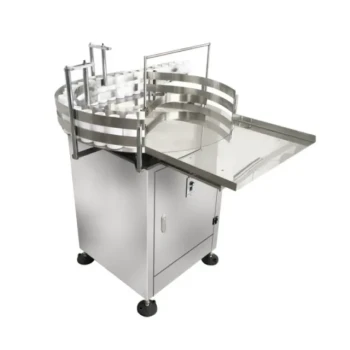
From industrial hive-making machinery that ensures perfect hardware standardization to automated honey-filling systems and high-quality consumables, we provide everything you need to support your growing colony counts.
Ready to maximize your production? Contact us today to discover how our wholesale beekeeping equipment and industrial solutions can drive your apiary's growth and efficiency.
References
- Dinku Negash, Amare Argaw. Demonstration and participatory evaluation of apiculture technologies in Sidama national regional state, Ethiopia. DOI: 10.56781/ijsrls.2022.1.1.0021
This article is also based on technical information from HonestBee Knowledge Base .
Related Products
- Heavy-Duty Ergonomic Grip Galvanized Pollen Shovel
- Solar Beeswax Melter Easy Solar Wax Melter for Beeswax
- HONESTBEE AC Powered Wire Embedder with Alligator Clips
- 5 Gallon Pail Opener Bucket Opener Tool for Honey Bucket
- Professional Dual Action Queen Excluder Scraper for Beekeeping
People Also Ask
- For what reasons do beekeepers collect bee pollen? Boost Hive Health and Unlock New Revenue Streams
- Why should commercial apiaries focus on the collection of diversified bee products? Maximize Your Hive’s Profit Potential
- How do bee pollen collection tools affect the quality of bee pollen used in functional dairy ice cream production?
- How does a specialized pollen collector facilitate the harvesting of diverse bee products? Automate High-Value Yields
- What is the impact of pollen collectors and associated equipment on the cost structure of pollen production? Maximize ROI