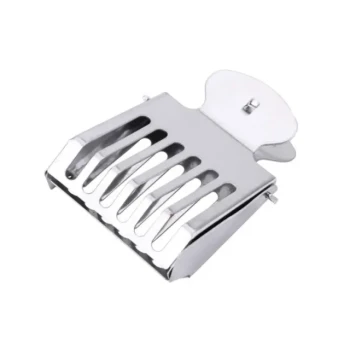
The queen excluder functions as a critical mechanical baseline for high-precision sensor data. By physically separating the hive into a distinct brood area and a honey storage area, it prevents the colony’s biological center from shifting, ensuring that fixed sensors collect data from a consistent, stable environment.
Core Takeaway Reliable data collection in modular hives relies on mapping static sensors to static biological zones. The queen excluder enforces this stability by confining the queen, ensuring that temperature fluctuations in the data stream reflect actual environmental changes rather than the random movement of the brood cluster.
The Mechanics of Spatial Organization
Creating Defined Monitoring Zones
The primary function of the queen excluder in a smart hive is to act as a structural framework.
It creates a hard physical boundary between the reproductive zone (brood) and the resource zone (honey).
This allows you to deploy specific sensors to the brood area with the certainty that the biological activity there will remain constant.
Stabilizing the Thermal Core
Beehives have a distinct "thermal core" generated by the brood.
If the queen is free to roam, she may shift her egg-laying position, causing this heat source to migrate away from your fixed sensors.
The excluder locks the brood into a specific module, aligning the heat source permanently with your temperature sensors.
Improving Data Fidelity
Reducing Positional Noise
Without an excluder, a drop in recorded temperature could mean two things: the hive is cooling down, or the queen simply moved to a different frame.
This ambiguity renders data analysis difficult and prone to error.
By restricting the queen's movement, you eliminate positional variables, ensuring that temperature data strictly reflects the stability of the brood microenvironment.
Enhancing Technical Accuracy
Sensors are generally static components fixed to the modular structure.
For these static tools to be accurate, the subject they are measuring must also be spatially predictable.
The excluder guarantees that sensors intended to monitor brood health are actually measuring the brood, rather than empty combs or honey stores.
Understanding the Operational Trade-offs
Dependence on Hardware
Using an excluder to secure data accuracy introduces a hardware dependency.
The validity of your historical data relies entirely on the continued presence and proper placement of the excluder.
Rigidity vs. Natural Behavior
While this setup maximizes data precision, it imposes a rigid structure on the colony.
You are prioritizing the technical accuracy of monitoring over the unrestricted movement of the queen.
This is a necessary compromise to ensure that changes in data represent genuine health metrics rather than random biological migration.
Making the Right Choice for Your Goal
To maximize the utility of your modular hive sensors, align your hardware configuration with your data requirements:
- If your primary focus is precise brood health monitoring: Install the queen excluder to lock the brood's position, ensuring temperature variances are actionable alerts rather than positional noise.
- If your primary focus is general hive thermodynamics: You may not require an excluder, but you must account for "floating" data baselines as the colony's center of mass shifts.
Data accuracy in a biological system is not just about sensor quality; it is about controlling the environment to ensure consistent measurement.
Summary Table:
| Factor | Without Queen Excluder | With Queen Excluder |
|---|---|---|
| Biological Center | Shifting/Unpredictable | Fixed/Stable |
| Data Consistency | High Positional Noise | Reliable Baseline |
| Thermal Core | Migratory | Locked to Sensor Location |
| Monitoring Focus | General Hive Trends | Precise Brood Health Analysis |
| Sensor Alignment | Variable Proximity | Permanent Alignment |
Scaling Your Beekeeping Operation with HONESTBEE
At HONESTBEE, we understand that commercial apiaries and distributors require more than just basic supplies; they need precision-engineered tools to maintain hive health and maximize productivity. Whether you are integrating smart sensors into your modular hive systems or seeking durable hardware to support large-scale honey production, our comprehensive wholesale offering has you covered.
From queen excluders that ensure data fidelity to specialized hive-making and honey-filling machinery, HONESTBEE supplies the full spectrum of beekeeping equipment and essential industry consumables. We empower our partners to turn biological data into actionable insights through superior structural components.
Ready to upgrade your apiary’s efficiency?
Contact our team today for a wholesale quote and expert guidance.
References
- Wiesław J. Staszewski. Exploring bee colony dynamics: temperature and humidity monitoring as indicators of colony activity. DOI: 10.31648/ts.11896
This article is also based on technical information from HonestBee Knowledge Base .
Related Products
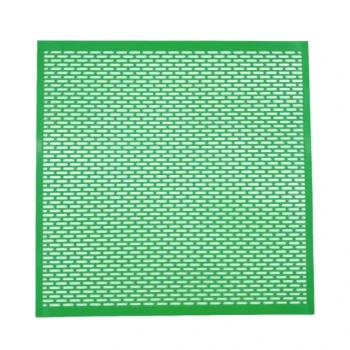
- High Performance Plastic Queen Excluder for Beekeeping and Apiary Management
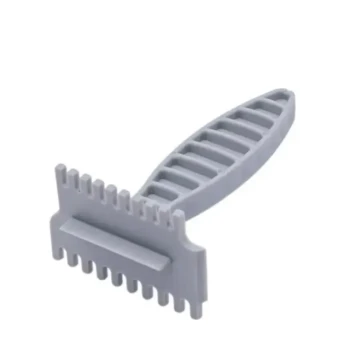
- Lightweight Durable Plastic Queen Excluder Scraper for Beekeeping
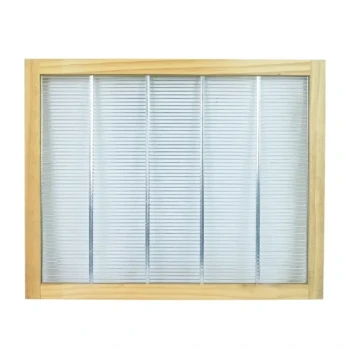
- Premium Wood Framed Metal Wire Queen Bee Excluder
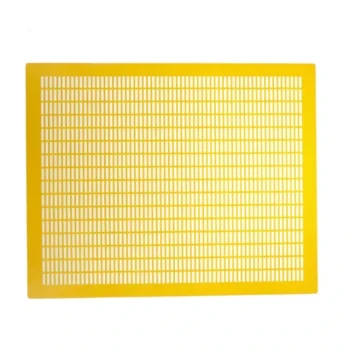
- Professional Plastic Queen Excluder for Modern Beekeeping
- Metal Queen Bee Excluder for Beekeeping
People Also Ask
- What are the characteristics of a plastic queen excluder? Key Benefits for Cost-Effective Beekeeping
- What are the operational and cost advantages of using plastic queen excluders over metal or wire excluders in commercial hive management? Discover how they reduce labor, prevent wing damage, and lower total costs.
- What types of queen excluders are available for beekeepers? Choose the Right Tool for Your Hive
- Why are standardized hive frames and queen excluders essential for maintaining honey purity and quality? Scale Your Purity
- Do plastic queen excluders work? A Cost-Effective Solution for Modern Apiaries