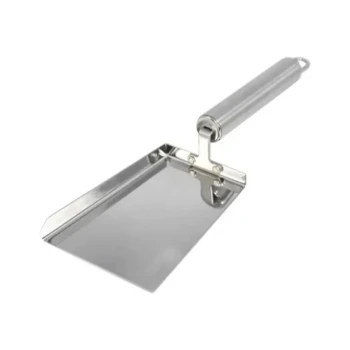
Pollen patties act as a vital biological catalyst for honeybee colonies emerging from winter. They function as a high-quality protein substitute that directly fuels the development of young bees, allowing the colony to bridge the gap between winter dormancy and the availability of natural spring blooms.
Core Insight Early spring management is a race against time as the queen accelerates egg-laying. Pollen patties provide the essential protein required to raise this new brood, ensuring the population expands rapidly enough to take advantage of the upcoming honey flow.
The Biological Impact of Protein
Fueling Brood Rearing
The primary function of a pollen patty is to mimic the nutritional profile of natural pollen.
While honey and syrup provide carbohydrates (energy), protein is the building block required for tissue growth.
Without this protein source, the colony cannot successfully rear the larvae emerging from the queen's eggs.
Supporting the Queen's Output
In early spring, the queen significantly increases her egg-laying rate.
This ramp-up places a high metabolic demand on the colony.
Pollen patties ensure that the nurse bees have the nutritional resources to produce royal jelly and brood food to support the queen's intensifying production.
Managing the Seasonal Transition
Accelerating Colony Recovery
Winter often leaves colonies with depleted energy reserves and an aging population.
Supplementary references indicate that precise nutritional intervention enables rapid colony recovery.
By providing patties, you help the colony transition from a survival state to a growth state much faster than if they relied solely on foraging.
Mitigating Environmental Risks
Spring weather is notoriously unpredictable, often preventing bees from foraging for natural pollen even if it is blooming.
Pollen patties provide a consistent, in-hive resource.
This stability prevents the "start-stop" brood rearing that can occur when external resources are inconsistent due to rain or cold snaps.
Understanding the Trade-offs
The Balance of Protein and Energy
It is critical to remember that protein (patties) stimulates growth, but carbohydrates (syrup/honey) fuel survival.
As noted in the supplementary data, starvation is a risk during winter and early spring.
Feeding pollen patties to a colony that is low on honey stores can be dangerous; the population will expand, increasing the demand for food that the colony may not possess.
Importance of Dosage and Quality
Not all nutritional supplements are created equal.
Using high-quality feeding equipment ensures the colony receives the correct dosage of nutrients without waste.
Improper application can lead to spoilage or attract pests, so the intervention must be precise.
Optimizing Your Spring Feeding Strategy
To effectively manage your colony's spring expansion, align your feeding with your specific objectives:
- If your primary focus is Rapid Population Growth: Introduce pollen patties as soon as weather permits to support the queen’s increased egg-laying and maximize brood production.
- If your primary focus is Colony Survival: Prioritize sucrose or carbohydrate supplements first to prevent starvation, introducing protein only once energy reserves are stable.
By balancing protein intake with energy reserves, you transform early spring from a period of risk into a foundation for peak performance.
Summary Table:
| Benefit Category | Key Impact | Practical Outcome |
|---|---|---|
| Brood Development | High-quality protein substitute | Fuels larval growth and tissue development |
| Queen Support | Sustains metabolic demand | Enables rapid increase in egg-laying rates |
| Risk Mitigation | Weather-independent nutrition | Prevents brood cycles from stopping during cold snaps |
| Seasonal Recovery | Shifts colony from survival to growth | Accelerates population expansion before honey flow |
Maximize Your Colony’s Potential with HONESTBEE
At HONESTBEE, we understand that early spring management is the foundation of a successful season for commercial apiaries and distributors. We provide the essential infrastructure to support your nutritional strategies, offering a comprehensive wholesale range of:
- Precision Feeding Equipment: Ensure optimal delivery of supplements without waste.
- Advanced Machinery: Hive-making and honey-filling solutions for high-volume operations.
- Professional Hardware: Durable beekeeping tools designed for industrial use.
- Consumables & Merchandise: Everything from essential industry supplies to honey-themed cultural goods.
Whether you are scaling a commercial apiary or stocking a distribution network, our expert solutions help you transform early spring risks into peak performance.
Ready to scale your beekeeping operations? Contact us today to explore our wholesale catalogs and specialized machinery.
Related Products
- Plastic Bee Pollen Trap Strips Comb Catcher Collector
- Removable Plastic Pollen Trap With Ventilated Tray for Bees Pollen Collector
- 30 cm Plastic Entrance Hole Bee Pollen Trap and Collector
- Stainless Steel Pollen Shovel with Wooden Handle
- Heavy-Duty Ergonomic Stainless Steel Pollen Shovel
People Also Ask
- For what reasons do beekeepers collect bee pollen? Boost Hive Health and Unlock New Revenue Streams
- What are the design principles and advantages of pollen traps in the collection of bee pollen? Boost Your Apiary Yield
- What are the ideal weather conditions for installing a bee pollen trap? Ensure Colony Safety with Expert Timing
- Why is frequent harvesting of bee pollen from traps necessary for quality control? Ensure Freshness and Prevent Mold.
- How often should bee pollen be harvested from a trap and why? Master Freshness and Prevent Spoilage