The use of tin or metal buckets poses a significant risk to honey quality due to chemical reactivity and hygiene challenges. Specifically, honey is naturally acidic; if stored in unlined or damaged metal containers, it reacts with the surface, causing metallic off-flavors and discoloration. Additionally, without rigorous cleaning protocols, these containers become breeding grounds for microbial activity, leading to spoilage.
Honey's acidity makes it incompatible with raw metal surfaces. To maintain purity, any metal container must possess an intact, food-grade protective lining to prevent chemical leaching and ensure the product remains chemically stable.
The Chemistry of Storage: Why Metal Reacts
The fundamental issue with metal storage lies in the chemical composition of honey itself. Understanding this interaction is key to preventing product degradation.
Acidity and Corrosion
Honey is an acidic substance. When placed in direct contact with reactive metals like tin or mild steel, a chemical reaction occurs almost immediately.
This reaction corrodes the container surface. If the bucket lacks a protective lining or if the lining is scratched, the honey acts as a solvent, leaching metal ions into the product.
Sensory Degradation
The most immediate result of this chemical interaction is a decline in sensory quality. Consumers may detect a distinct metallic off-flavor that masks the honey's natural profile.
Furthermore, the reaction often causes visible color changes. The honey may darken or develop unnatural hues, signaling to the consumer that the product is no longer pure or safe.
Hygiene and Contamination Risks
Beyond chemical reactions, the physical condition of the container plays a massive role in biological stability.
The Sanitation Challenge
Metal buckets must be thoroughly cleaned to be safe for reuse. If residues are left behind due to difficult-to-clean seams or surfaces, microbial activity increases.
This bacterial or yeast presence can accelerate spoilage. A container that looks clean but harbors microscopic contaminants will compromise the shelf life of the honey stored inside.
Moisture and Fermentation
Honey is hygroscopic, meaning it absorbs moisture from the air. If a metal bucket is dented or lacks a hermetic seal, it allows ambient humidity to enter.
Excess moisture leads to fermentation. Once the water content rises, dormant yeasts activate, turning the honey sour and rendering it unfit for sale.
Understanding the Trade-offs
While metal containers are often used for their durability during large-capacity turnover, they present specific pitfalls compared to modern alternatives.
The Lining Vulnerability
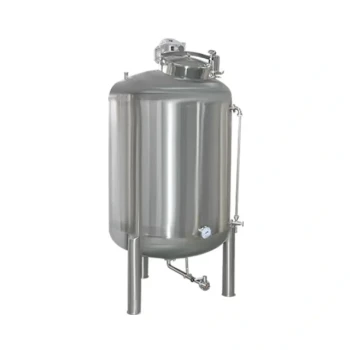
The safety of a metal bucket relies entirely on its lining. A single scratch or dent during transport can break the protective seal, exposing the raw metal to the honey.
This makes metal containers high-maintenance. You must inspect the interior surface before every use to ensure the barrier between the metal and the honey is perfectly intact.
Chemical Inertness vs. Durability
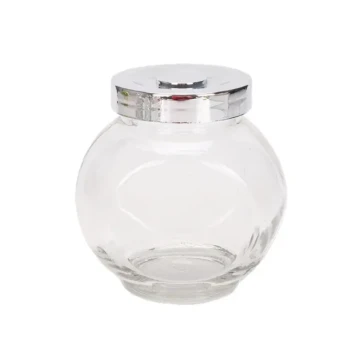
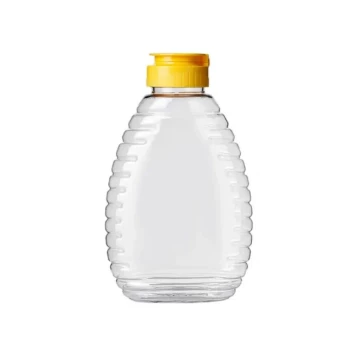
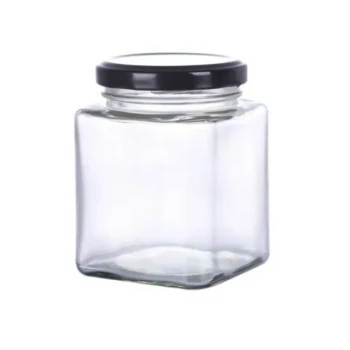
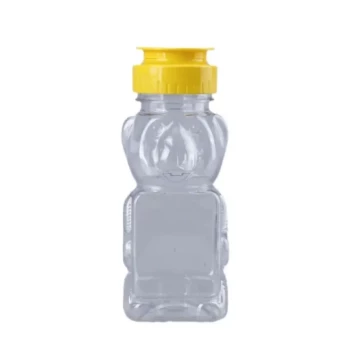
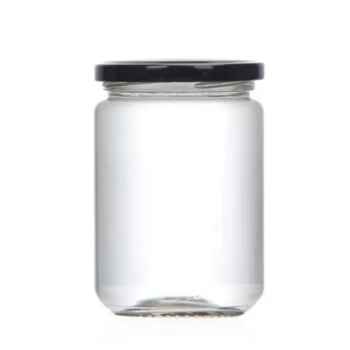
Metal offers physical strength, but materials like food-grade plastic or glass offer chemical inertness.
Inert containers do not react with acids. They prevent the absorption of odors and protect against oxidation, ensuring the honey retains its original physicochemical properties without the risk of metallic leaching.
Making the Right Choice for Your Goal
To preserve the value of your harvest, your storage choice must align with the chemical reality of the product.
- If your primary focus is long-term purity: Prioritize chemically inert containers, such as food-grade plastic or glass, to eliminate the risk of acidic reactions.
- If your primary focus is using existing metal inventory: Ensure every bucket has a high-quality, undamaged food-grade lining and an airtight seal to prevent oxidation and moisture absorption.
- If your primary focus is preventing fermentation: Verify the container provides a hermetic seal to block humidity, particularly for varieties with naturally higher moisture content like stingless bee honey.
Ultimately, the vessel you choose acts as the final ingredient; keep it inert to keep your honey pure.
Summary Table:
| Storage Factor | Impact of Unlined Metal | Impact of Inert Containers (Plastic/Glass) |
|---|---|---|
| Chemical Stability | High risk of corrosion and leaching | Chemically inert; no reaction with acid |
| Flavor Profile | Potential for metallic off-flavors | Preserves natural floral notes |
| Appearance | May cause darkening or discoloration | Maintains original color and clarity |
| Hygiene | Seams can harbor bacteria/yeast | Smooth surfaces are easier to sanitize |
| Moisture Control | Dents can compromise airtight seals | High-quality seals prevent fermentation |
Protect Your Harvest with Professional Beekeeping Solutions
Don't let inferior storage compromise the quality of your honey. HONESTBEE provides commercial apiaries and distributors with the high-quality tools and equipment needed to maintain product purity from hive to bottle.
Whether you need specialized machinery, durable honey-filling machines, or a full spectrum of beekeeping hardware and consumables, our comprehensive wholesale offering is designed to scale your operations efficiently.
Ready to upgrade your production? Contact us today to discover how HONESTBEE can enhance your honey quality and business growth.
References
- Kawnin Abdimahad, Fosiya Hussein. Assessment of Post-Harvest Handling Practices of Honey in Erer Zone, Somali Regional State, Ethiopia. DOI: 10.54536/ajaas.v2i2.1827
This article is also based on technical information from HonestBee Knowledge Base .
Related Products
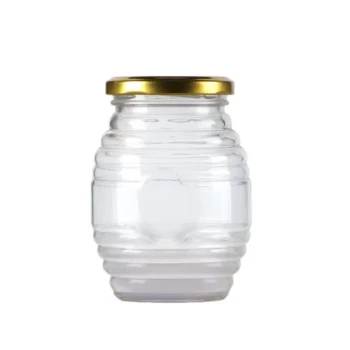
- Classic Glass Honey Jar with Metal Lug Cap for Beehive Storage
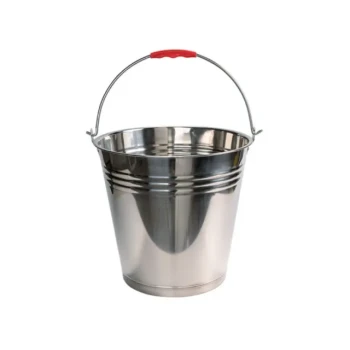
- Premium Stainless Steel Honey Tank Bucket Pail with Reinforced Handle and Polished Finish
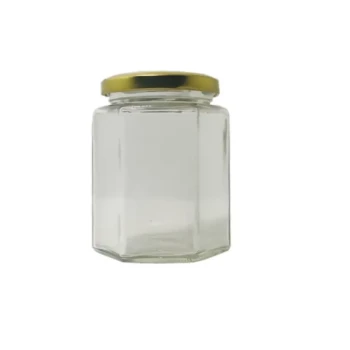
- Hexagonal Glass Honey Jars with Metal Lug Caps Elegant Versatile Packaging
- Food Grade Plastic Honey Bucket Pail for Beekeeping
- Stainless Steel Honey Storage Tank with Lid for Honey
People Also Ask
- What are the benefits of glass jars regarding strength and safety for storing honey? Ensure Purity and Long-Term Quality
- What are the advantages of using glass jars for honey storage? Ensure Purity and Premium Appeal for Your Product
- What are the benefits of using high-transparency Glass Jars for honey? Elevate Purity and Premium Branding
- What is the aesthetic appeal of using glass jars for honey? Elevate Your Brand with Premium Packaging
- Which container is best for storing honey? Preserve Purity & Flavor with the Right Choice