Moving from traditional log hives to modern moveable-frame hives can materially increase commercial honey yield and make an apiary far easier to scale. Fixed-comb hives limit inspection, pest control, colony management, and harvesting. Standardized frame hives preserve the comb while enabling repeatable interventions, more efficient honey extraction, and the uniform production needed for wholesale and export markets.
The core advantage is not simply a better hive—it is a more manageable production system. Moveable frames let beekeepers inspect, expand, treat, and harvest colonies without destroying the nest, creating the operational consistency required for higher yields and large-scale apiary growth.
Why Moveable Frames Increase Commercial Yield
Non-destructive harvesting protects colony productivity
In a traditional log hive, honeycomb is fixed to the structure. Harvesting often damages or removes comb, forcing the colony to rebuild it before storing substantial honey again.
Moveable frames allow honey to be removed while preserving usable comb and the brood nest. Bees can therefore return more quickly to nectar collection and honey storage.
Better space management supports stronger nectar flows
Modern hives allow beekeepers to add frames and supers as colonies expand. This provides additional storage space during major flowering periods and reduces the risk that congestion will contribute to swarming.
The result is better use of available forage and more controlled expansion of the colony’s honey-storage capacity.
Routine inspection improves colony management
Frame-by-frame inspection makes it practical to evaluate brood development, food reserves, queen performance, and colony strength. These checks are considerably more difficult when combs are attached to the hive body.
Earlier identification of weak colonies, swarming pressure, or pest problems enables corrective action before production losses become severe.
Pest and disease control becomes more precise
Moveable frames provide access to the brood area and honey stores without dismantling the colony. This supports more targeted pest and disease management while reducing unnecessary disturbance.
Healthier, better-managed colonies are more likely to maintain the population strength required for commercial honey production.
What the Yield Improvement Can Look Like
Traditional yields are often limited by management constraints
Traditional hives can be suitable for local production, especially where investment and technical infrastructure are limited. However, fixed comb and destructive harvesting restrict the frequency and precision of management.
The supplementary references describe traditional yields commonly below 10 kilograms per hive, while modern systems can approach 20 kilograms and reach approximately 35 kilograms in high-performing regions.
Comparative figures should be treated as benchmarks, not guarantees
One cited comparison reports average yields of 33.2 kilograms per modern moveable-frame hive versus 10.8 kilograms per traditional hive. Such figures illustrate the potential scale of improvement, but they should not be applied universally.
Actual results depend on bee genetics, forage availability, climate, colony strength, management skill, hive design, and harvest timing. The credible conclusion is that frame hives create the conditions for substantially higher yields; they do not guarantee a fixed output.
Product quality also becomes more consistent
Modern harvesting methods reduce comb damage and make it easier to separate honey from brood and debris. This supports cleaner extraction and more consistent presentation for commercial buyers.
For wholesalers, exporters, and resellers, consistency matters alongside volume. Uniform packaging, quality, and supply reliability are often essential to retaining downstream customers.
How Moveable Frames Enable Apiary Scalability
Standardization turns individual hives into a system
Traditional hives vary in size, construction, and internal layout. That makes equipment, inspections, replacement parts, and labor procedures difficult to standardize.
Modern frame hives use repeatable dimensions and components. Colonies can be managed according to common procedures, while frames, foundation sheets, supers, and other parts can be sourced and deployed consistently.
Labor becomes more productive
A beekeeper can inspect selected frames rather than dismantling or destroying the colony. Harvesting, swarm control, and colony assessment become more repeatable operations.
This reduces the management burden per hive and allows trained teams to handle larger numbers of colonies without relying entirely on individual improvisation.
Expansion becomes easier to plan
A commercial apiary can add standardized hives, frames, supers, and harvesting equipment according to seasonal or geographic requirements. This creates a clearer path from a small operation to a larger stationary or migratory apiary.
Scaling is therefore not only a matter of buying more boxes. It requires a coordinated supply of compatible equipment and the procedures to use it effectively.
Migratory beekeeping becomes more practical
Moveable-frame equipment provides a physical foundation for relocating colonies between flowering areas. Colonies can be inspected before transport, managed during production, and harvested after the main nectar flow.
This flexibility can improve asset utilization, although transportation logistics, forage planning, labor, and colony protection remain essential.
What a Commercial Transition Requires
A complete equipment ecosystem
A frame-hive conversion typically involves more than the hive body. Commercial operators may also require:
- Standardized frames and foundation sheets
- Supers for expanding honey-storage capacity
- Hive stands, covers, and compatible replacement parts
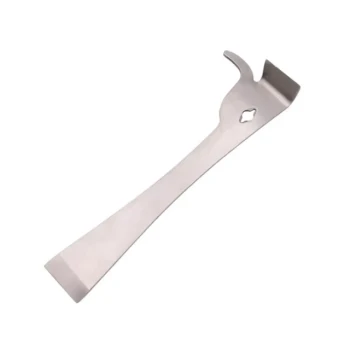
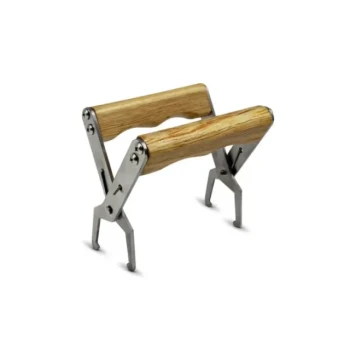
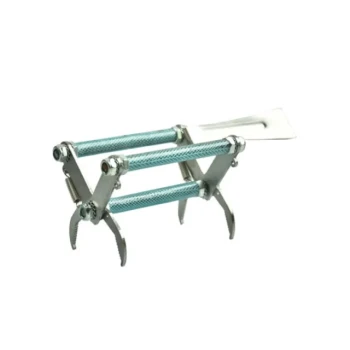
- Protective clothing and inspection tools
- Smokers and colony-management equipment
- Honey extractors, filters, settling tanks, and storage containers
- Packaging and handling equipment for market-ready honey
Compatibility is important. A low-cost hive that does not match the operation’s frames, supers, or extraction equipment can create hidden labor and replacement costs.
Reliable procurement and fulfillment
Large apiaries need predictable access to standardized components, particularly before swarm season and peak flowering periods. Delays in frames, foundation, or harvesting tools can restrict the productivity of otherwise healthy colonies.
For distributors and B2B resellers, a broad product portfolio, rapid quotation response, dedicated technical support, and efficient order fulfillment are practical advantages because customers often need a complete transition package rather than a single hive component.
Local production may support expansion
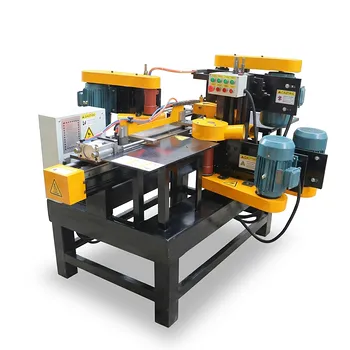
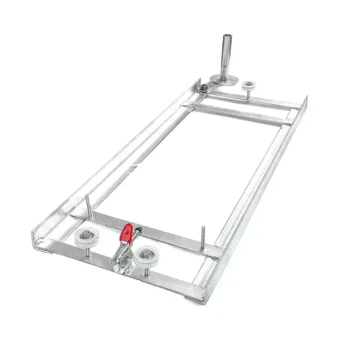
Where imported hive bodies are expensive or difficult to deliver, hive-making machinery can help commercial operators or regional suppliers produce standardized equipment locally. This can reduce transport dependence and improve availability.
Local manufacturing only creates value when dimensions, material quality, and component compatibility are controlled. Standardization must remain the priority.
Understanding the Trade-offs
Higher yield depends on management capability
Moveable-frame hives expose more management opportunities, but they also require the knowledge to use them correctly. Poor inspections, excessive manipulation, or incorrect pest treatments can stress colonies and reduce productivity.
Training and operating procedures should accompany the physical upgrade.
Initial investment is higher
Traditional log hives may use locally available materials and require limited specialized equipment. A modern apiary requires an upfront investment in standardized hives, frames, foundation, tools, extraction equipment, and often protective gear.
The business case should therefore be evaluated over multiple production cycles rather than by comparing purchase prices alone.
Standardization can create supply-chain dependence
A commercial frame system relies on replacement frames, foundation, hive parts, and compatible equipment. If components are unavailable or inconsistent, expansion and maintenance become more difficult.
Distributors should assess supplier capacity, product compatibility, quality control, lead times, and after-sales responsiveness before committing to a large rollout.
Yield differences are not caused by hive design alone
A modern hive cannot compensate for poor forage, weak colonies, unsuitable bee stock, drought, pests, or inadequate seasonal management. The hive is an enabling platform, not an independent production guarantee.
Comparisons between traditional and modern systems should control for local conditions and management practices wherever possible.
Commercial volume introduces quality obligations
Higher production creates greater requirements for hygienic extraction, storage, traceability, moisture control, and consistent packaging. Producing more honey is not enough if the product fails buyer or export specifications.
The transition should therefore include post-harvest handling, not just colony housing.
How to Apply This to Your Apiary or Supply Business
The strongest transition plans combine standardized equipment with training, compatible harvesting tools, and dependable replenishment.
- If your primary focus is increasing honey yield: Prioritize moveable-frame hives, supers, and foundation, then use regular inspections and non-destructive harvesting to preserve colony productivity.
- If your primary focus is scaling colony numbers: Build a standardized equipment platform with interchangeable frames, replacement parts, and repeatable management procedures.
- If your primary focus is wholesale or export supply: Invest in consistent hive management and hygienic extraction so increased volume is matched by uniform product quality.
- If your primary focus is supplying commercial beekeepers: Offer a complete, compatible portfolio supported by fast responses, technical guidance, dependable availability, and efficient fulfillment.
- If your primary focus is reducing long-term operating costs: Evaluate local hive production and modern harvesting equipment, while maintaining strict dimensional and quality standards.
The transition from log hives to moveable-frame systems transforms beekeeping from a largely destructive, individual process into a standardized production operation that can support higher yields and sustainable commercial scale.
Summary Table:
| Aspect | Traditional Log Hives | Moveable Frame Hives |
|---|---|---|
| Harvesting | Destructive, damages comb | Non-destructive, preserves comb |
| Inspection | Difficult, comb attached | Easy, frame-by-frame access |
| Pest Control | Limited access | Targeted treatment possible |
| Yield (kg/hive) | ~10.8 (example) | ~33.2 (example) |
| Scalability | Hard to standardize | Standardized components |
| Labor Efficiency | Lower | Higher |
| Initial Investment | Low | Higher |
Ready to maximize your honey yield and scale your apiary? HONESTBEE offers a complete range of modern moveable-frame hives and equipment. Our one-stop sourcing, fast delivery, and expert support help you transition smoothly. Contact us today to discuss your needs and grow your business!
Related Products
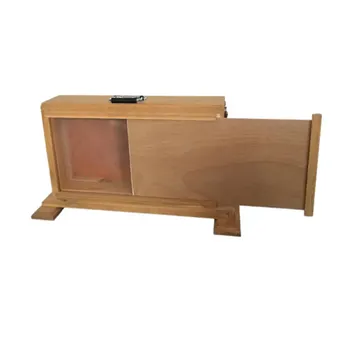
- Professional Observation Hive: The Ultimate Portable Solution for Beekeeping Education, Exhibitions, and Colony Displays
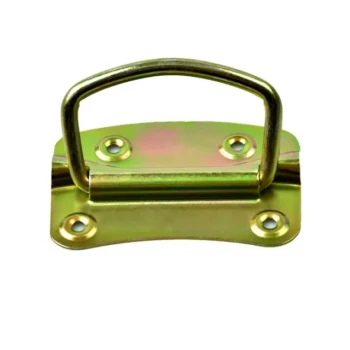
- Professional Grade Foldable Beehive Handles
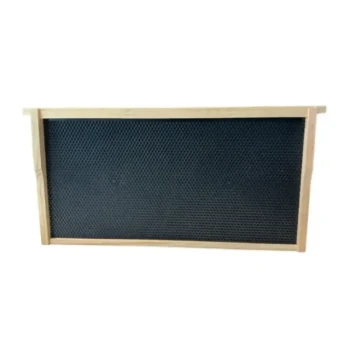
- Assembled Wooden Bee Frames with Plastic Foundation for Durability and Convenience by HONESTBEE
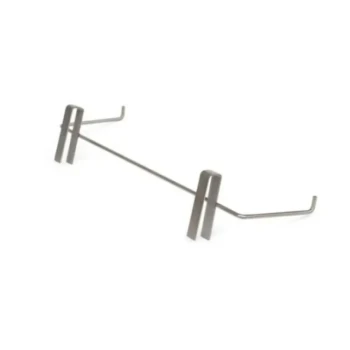
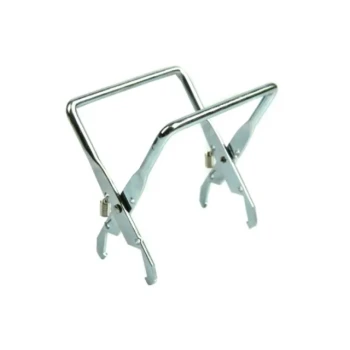
- Heavy-Duty Stainless Steel Clip-On Frame Perch
- Wooden Bee Hive Frames for Beekeeping and Wholesale
People Also Ask
- How does transitioning to modern hives boost honey yield? Increase production and product quality for your commercial apiary
- How do Langstroth and Dadant standard beehives compare regarding brood chamber management and component compatibility? Find the Perfect Fit for Your Apiary
- What are the key operational differences and structural trade-offs between Langstroth beehives and top-bar beehives for apiary management? Discover which hive system fits your operational needs.
- What are the primary differences between Langstroth, horizontal top bar, and Warré hive box designs when selecting beekeeping equipment? Choose the Right Hive for Your Apiary
- Why do commercial apiary operators transition from traditional hive structures, such as clay cylinders, to standardized Langstroth hive boxes? Discover Scalable Beekeeping Solutions