Securing a beehive for transit requires mechanically binding the bottom board, brood boxes, and top cover into a single, rigid unit. The most reliable method is to use ratchet straps or hive staples to prevent shifting, while supplementing these with tape or mesh bags to contain the bees.
Moving a hive introduces vibrations and movement that can easily dislodge stacked components. To ensure stability, experts recommend applying two ratchet straps in opposing directions or fastening components with 2-inch staples to handle the structural load.
Primary Structural Securing Methods
Using Ratchet Straps
Ratchet straps are the preferred modern solution because they provide high tension and are easily removable upon arrival. They bind the entire stack, from the bottom board to the top cover, into one cohesive block.
For maximum security, do not rely on a single strap. Use two ratchet straps per hive, applied in both directions (cross-strapping) to prevent movement along both the X and Y axes.
Using Hive Staples
A traditional alternative is the use of 2-inch hive staples. These large metal fasteners are hammered into the exterior wood to bridge the gap between hive bodies, bottom boards, and covers.
While effective at preventing shifting, staples are considered less convenient than straps. They require tools to install and remove, and repeated use can eventually damage the wooden ware.
Ensuring Containment and Safety
Taping the Joints
Structural stability does not guarantee that gaps won't open momentarily during a bumpy ride. To prevent bees from escaping through small openings, apply tape to the joints between the boxes.
This serves as a secondary line of defense. It seals the hive against leakage even if the wood components shift slightly under the tension of the straps.
Mesh Transport Bags
For the highest level of safety, enclose the entire secured unit in a mesh transport bag.
This containment method accounts for the unpredictable nature of transport. If a strap loosens or a gap opens, the mesh ensures that any escaping bees remain contained within the bag rather than filling your vehicle.
Understanding the Trade-offs
Convenience vs. Permanence
Ratchet straps offer speed and adjustability. If you need to check the hive or move it again shortly after, straps can be removed in seconds without tools.
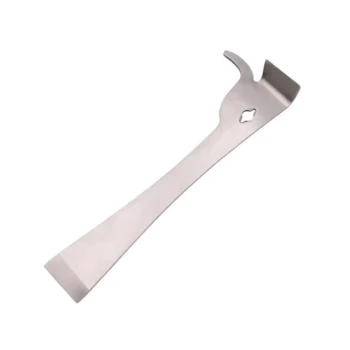
Staples offer a lower profile. They do not have buckles that can snag on other equipment, but they are semi-permanent and require a hive tool or pliers to remove.
Structural Integrity vs. Containment
It is critical to understand that straps and staples only provide structural stability; they do not seal the hive.
Relying solely on mechanical fasteners is a common pitfall. Without tape or a mesh bag, even a securely strapped hive can leak bees if the boxes are warped or the road is rough.
Making the Right Choice for Your Goal
- If your primary focus is maximum security: Use two ratchet straps crossed in both directions and place the hive inside a mesh transport bag.
- If your primary focus is quick removal: Opt for ratchet straps over staples, as they can be unbuckled immediately without damaging the wood.
- If your primary focus is leak prevention: Tape every external joint between the boxes before applying your straps or staples.
By combining rigid structural binding with proper containment, you ensure the hive arrives intact and the colony remains calm.
Summary Table:
| Method | Primary Use | Pros | Cons |
|---|---|---|---|
| Ratchet Straps | Structural Binding | High tension, quick removal, no tools needed | Buckles can snag on other gear |
| Hive Staples | Component Fastening | Low profile, traditional reliability | Semi-permanent, can damage wood |
| Joint Taping | Leak Prevention | Seals small gaps and prevents escapes | Provides no structural support |
| Mesh Bags | Total Containment | Failsafe security for the entire hive | Requires extra handling time |
Elevate Your Beekeeping Operation with HONESTBEE
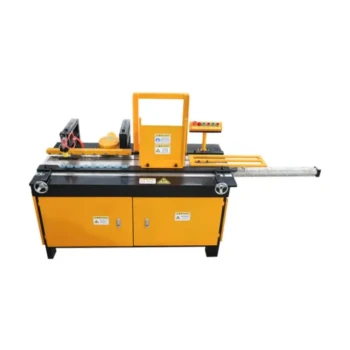
At HONESTBEE, we specialize in empowering commercial apiaries and distributors with high-performance beekeeping solutions. Whether you need heavy-duty hive-making machinery for your production line or high-quality consumables and protective gear to ensure safe transit for your colonies, we have you covered.
Our value to your business:
- Comprehensive Wholesale Range: From specialized honey-filling machines to durable wooden ware.
- Industrial-Grade Reliability: Equipment designed to meet the rigorous demands of large-scale operations.
- Global Distribution Expertise: Helping you scale your reach with premium honey-themed merchandise and essential tools.
Ready to upgrade your equipment or stock your inventory? Contact us today to explore our wholesale catalog!
Related Products
- Beehive Handle and Frame Rest Cutting Machine: Your Specialized Hive Machine
- Steel Round Disc Entrance Reducer for Flexzion Bee Hive Nuc Box Gate
- Metal Bee Hive Stand Bee Box Stand for Beekeeping
- Heavy-Duty Nylon Beehive Hive Strap with Stainless Steel Cinch Buckle
- Stainless Steel Round Beehive Air Vents for Ventilation
People Also Ask
- What is the importance of specialized beehive-making machinery? Ensure Precision for Sensor-Based Hive Monitoring
- How do bee hive handles facilitate the evaluation of food stores? Use the Lift Test for Winter Survival
- How do specialized beehive handling machines contribute to efficiency? Streamline Your Mobile Beekeeping Logistics
- How do professional beehive and frame manufacturing machines contribute to commercial apiary management? Boost Efficiency
- What are the standard dimensions for frame rests in a beehive? Essential Guide for Perfect Bee Space